

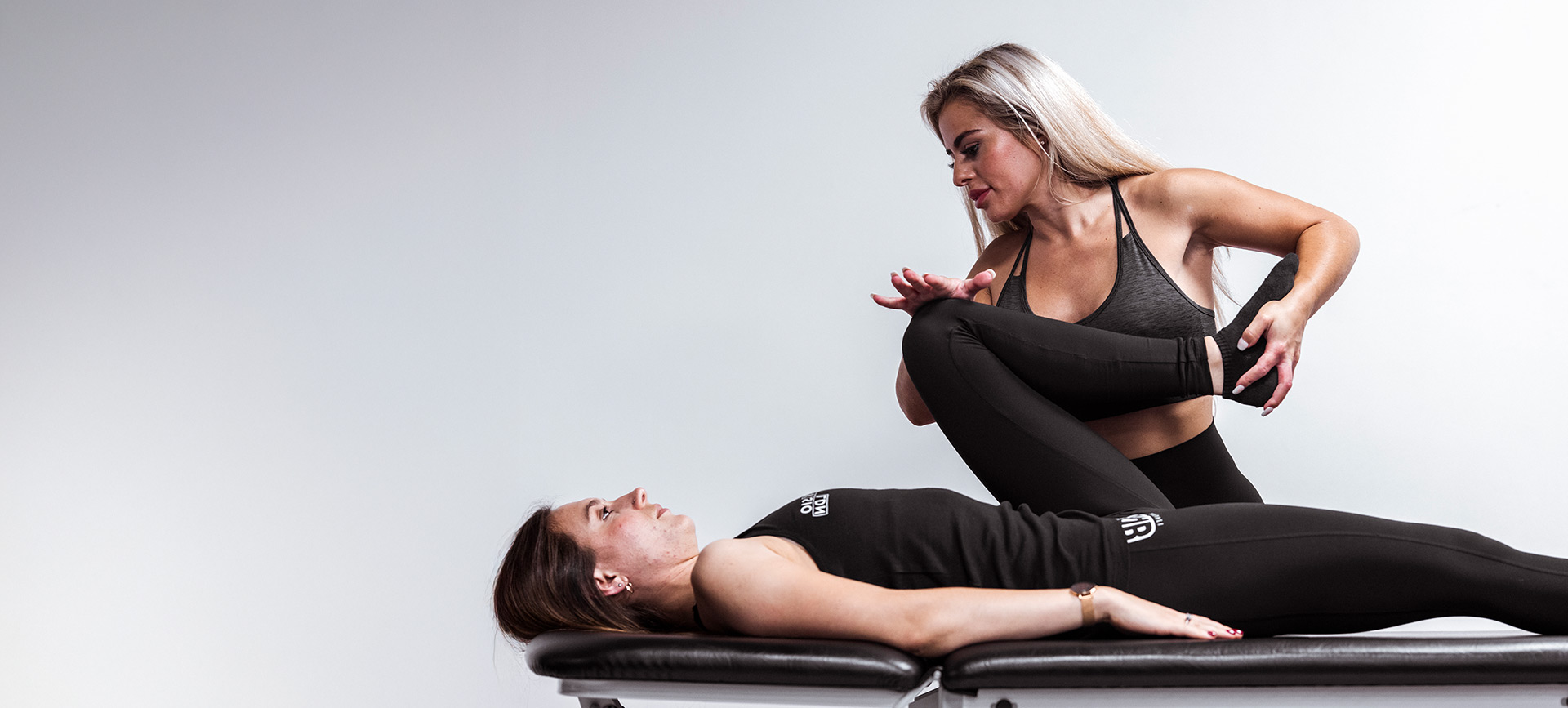

Sciatica reacts badly to two specific movement patterns: loaded spinal flexion and aggressive nerve tensioning. Six exercise categories share these patterns and can worsen symptoms during recovery. The right choice often depends on your sciatica subtype and stage of recovery, but a few clear rules apply to most cases. Read on for what to avoid, why, and what stays safe.
Key Takeaways
- Two mechanisms make exercises risky: disc loading and nerve tensioning
- Six categories of movement need adjustment during sciatica recovery
- Stage of recovery matters; the acute phase has the strictest rules
- Walking and gentle nerve glides remain safe in most cases
- Bilateral leg symptoms, saddle numbness, or bladder changes need immediate A&E attention
Why Some Exercises Make Sciatica Worse

Two mechanisms explain why certain movements aggravate sciatica. Knowing the mechanism shows why one exercise hurts and a similar one does not.
Disc loading. Forward bending under load pushes the disc material backward against the nerve root. A disc already bulging contacts the nerve harder and triggers a flare. The mechanism applies to anything combining spinal flexion with weight or resistance. The L4 to L5 and L5 to S1 disc levels are most commonly involved.
Nerve tensioning. An irritated sciatic nerve does not respond well to being stretched. Movements that pull the nerve into end-range tension worsen the irritation. The boundary between helpful nerve glides and harmful overstretching is narrower than most people realise.
Our guide on what sciatica is and what causes it covers the four nerve compression sources in detail.
Six Categories of Movement to Avoid
Six categories of exercise carry the highest risk during sciatica recovery. The list is not absolute. Subtype and stage of recovery change what applies to you.
1. Loaded Spinal Flexion
Toe touches, full sit-ups, weighted forward bends, and heavy bent-over rows combine forward bending with load. The combination pushes disc material toward the nerve root. Our guide on bending and lifting back pain covers the mechanism. Safer option: spinal extension work like a gentle cobra or sphinx hold.
2. Aggressive Hamstring Stretching
Standing toe touches, deep-seated forward folds, and full plough pose all tension the sciatic nerve directly. Stretching an irritated nerve worsens the irritation. Safer option: gentle nerve glides performed in a pain-free range. Nerve glides move the nerve through surrounding tissues; static stretches hold the nerve at end-range tension.
3. Heavy Axial Loading
Heavy squats, heavy deadlifts, and heavy overhead presses compress the lumbar discs vertically. The acute phase is the wrong time for maximal loads. Safer option: bodyweight squats and goblet squats once the acute pain settles.
4. Loaded Rotation
Russian twists with weight, weighted wood chops, and heavy golf swing practice add shear force to the lumbar discs and facet joints. Rotation combined with flexion is the worst pattern for disc-related sciatica. Safer option: dead bug exercises or bird dog patterns without rotation.
5. Deep Hip and Glute Stretches
Aggressive pigeon pose, deep figure-four stretches, and forceful hip flexor stretches can flare piriformis-related sciatica. The piriformis sits directly on the nerve, and overstretching adds compression. Safer option: gentle hip mobility within a comfortable range.
6. High-Impact Activity in the Acute Phase
Running, jumping, plyometrics, and contact sports add impact loading to an inflamed nerve. The acute phase is short. Cardiovascular work should not stop entirely; the right shift is to walking, swimming, or cycling until symptoms settle.
Stage of Recovery Changes What You Can Do
Sciatica recovery has three stages, and the exercise rules change at each. Acute (the first six weeks) has the strictest limits. Subacute (six to twelve weeks) starts reintroducing controlled movement. Chronic (over twelve weeks) needs a personalised plan.
The acute phase calls for the full avoid list above. Movement matters, but gently. Walking, gentle nerve glides, and core stability without rotation are usually safe.
The subacute phase starts by reintroducing low-load versions of normal exercises under guidance. Bodyweight squats, goblet squats, and dead bugs become safe before barbell work returns.
The chronic phase needs a personalised rehabilitation plan that addresses the specific cause. Our guide on the sciatica recovery timeline covers the three stages in detail.
Movements That Are Still Safe

Several movements stay safe across all stages of sciatica recovery. Stopping movement entirely slows recovery and weakens the support muscles around the spine.
Walking. Gentle walking remains the safest cardiovascular option. Short, frequent walks beat long single sessions. Aim for 10 to 15-minute walks several times a day rather than one long session.
Gentle nerve glides. Performed in a pain-free range, nerve glides help mobilise the sciatic nerve without aggravating it. Three to five repetitions, two to three times a day, is enough.
Low-impact cardio. Swimming, cycling, and elliptical work keep cardiovascular fitness while avoiding spinal compression.
Core stability without rotation. Dead bugs, bird dogs, and gentle bridges support spinal stability without loading the disc.
When to Seek Professional Assessment
Symptoms that worsen during exercise or red flag signs at any time need professional input. Same-day A&E applies to:
- Loss of bladder or bowel control
- Numbness around the saddle area
- Bilateral leg weakness or numbness
- Severe pain after a traumatic injury
Pain that intensifies during exercise rather than easing, or symptoms that fail to improve after six weeks of careful self-management, need assessment. Our guide on back pain warning signs and when to see a physio covers the wider decision framework.
Personalised Sciatica Rehabilitation at One Body LDN
One Body LDN runs registered physiotherapy clinics at throughout London . Our team builds rehabilitation plans matched to your sciatica subtype, your stage of recovery, and the specific movements that have flared your symptoms.
The plan often reintroduces exercises you have avoided, in a graded way that respects the nerve. Most cases settle within six weeks of a structured plan. Our sciatica physiotherapy in London service runs same-day assessments for cases that need quick attention.
Frequently Asked Questions
What exercises should I avoid with sciatica?
Avoid loaded spinal flexion, aggressive hamstring stretches, heavy axial loading, loaded rotation, deep hip stretches, and high-impact activity during the acute phase. Each category loads the disc or tensions the nerve in a way that worsens irritation.
Are sit-ups bad for sciatica?
Full sit-ups combine spinal flexion with load and are best avoided during sciatica recovery. Safer core options include dead bugs, bird dogs, and gentle bridges.
Can exercise make sciatica worse?
Exercise can worsen sciatica when the movement loads the disc or tensions the nerve beyond tolerance. Stage of recovery, subtype, and intensity all matter.
Is walking good for sciatica?
Gentle walking remains one of the safest activities throughout sciatica recovery. Short, frequent walks beat long single sessions during the acute phase.
References
- NHS: Sciatica overview. https://www.nhs.uk/conditions/sciatica/
- NICE NG59: Low back pain and sciatica in over 16s. https://www.nice.org.uk/guidance/ng59
- NHS Inform: Sciatica self-care. https://www.nhsinform.scot/illnesses-and-conditions/muscle-bone-and-joints/conditions/sciatica/
- Harvard Health: Taming the pain of sciatica. https://www.health.harvard.edu/blog/taming-pain-sciatica
