


A torn meniscus tells its story through location and history as much as pain. Pain along the joint line, the horizontal seam where the thigh and shin bones meet. A twist or pivot that started it. Swelling that arrived the next day rather than within the hour.
Catching sensations in deep bending. The meniscus is the cartilage cushion inside the knee, and tears come in two very different types: the injury kind and the wear kind, which changes everything about what happens next. We set out the symptoms first, then two gentle home checks, then the surgery, which the SERP answers badly.
Our MCSP-registered team at One Body LDN assesses knee injuries across our London clinics every week.
Key Takeaways
- Joint-line pain, on the seam between thigh and shin bone, is the core meniscus signal.
- A twisting injury followed by next-day swelling is the classic traumatic story.
- Wear-related meniscus tears also exist, often without any injury, and behave differently.
- A knee that locks and will not straighten needs prompt assessment, not home checks.
- Most meniscus tears, especially wear-related ones, do well without surgery.
Meniscus Tear Symptoms
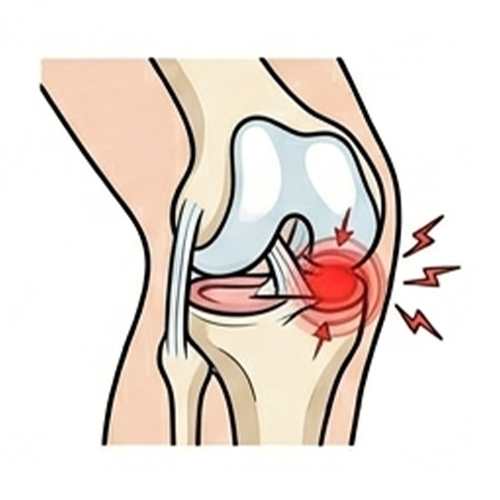
Five signs define the meniscus pattern, and location leads.
- Joint-line pain. Pain along the horizontal seam of the knee, inner side most commonly, is found by pressing along the line where the bones meet.
- A twist that started it. A pivot, awkward turn, or deep squat under load, often in sport, is the classic trigger for the injury type.
- Next-day swelling. Meniscus swelling typically builds overnight rather than ballooning within the hour, a timing difference explained in our guide to when knee swelling is a worry.
- Catching in deep bending. A catch or momentary snag in full squats or twisting is felt inside the joint.
- Pain with pivoting. Turning on the planted leg reproduces it, while straight-line walking often feels fine.
One symptom overrides everything: a knee stuck bent, unable to fully straighten, needs prompt assessment rather than any home check.
Two Gentle Home Checks
Two checks read the pattern without provoking the knee. Stop either if the pain is sharp.
Check 1: The Joint-Line Press
How to do it. Sit with the knee bent to a right angle. Find the horizontal groove on either side of the kneecap tendon and press gently along it, toward the back of the knee.
What points toward the meniscus? A specific spot of familiar tenderness on the joint line itself, clearly sharper than the same spot on the other knee.
Check 2: The Comfortable Squat Limit
How to do it. Holding support, lower slowly toward a squat, only as far as comfortable. Note where symptoms appear and stop there.
What points toward the meniscus? Joint-line pain or an internal catch arrives in the deeper range, while shallow bending stays comfortable. Front-of-knee ache instead points toward the kneecap pattern in our guide to kneecap pain and patellofemoral symptoms.
History carries the rest. The twist-plus-next-day-swelling story alongside a positive joint-line press makes a meniscus tear a leading explanation, and an assessment of the next step.
Torn Meniscus From Injury Or From Wear
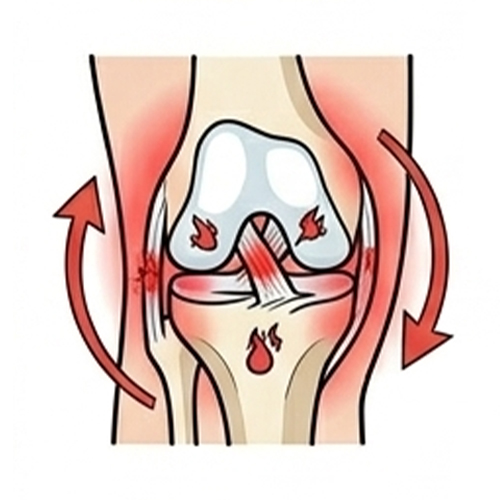
The same structure tears two ways, and the difference changes the plan.
Traumatic tears follow a twist, usually in younger and sporting knees, with the story above. Wear-related tears happen gradually as the meniscus ages, often without any injury at all, and frequently alongside early joint changes.
Here is the honesty of the search results skip: wear-related meniscus tears show up on scans of many pain-free knees, so a scan finding one does not prove it is the pain source. This is why assessment leads, and imaging follows only when it would change the plan.
The two types share a name and little else, and treating them the same way is the mistake the next section addresses.
Do Meniscus Tears Need Surgery?
Most do not, and for wear-related tears, the evidence is clear about rehabilitation first.
The surgery question dominates meniscus searches, and the honest answer has shifted over the past decade. High-quality trials comparing keyhole surgery against structured rehabilitation for wear-related tears found rehabilitation performs comparably for most people, which is why UK guidance no longer supports routine arthroscopy for degenerative knees.
Traumatic tears in young knees are a different conversation, where surgical repair is sometimes the right call, decided case by case. The practical rule: start with assessment and a proper rehabilitation course, and let surgical opinions enter where the knee genuinely fails to respond or mechanically locks.
Persistent knee pain deserves that staged path, and our knee pain team in London assesses meniscus-pattern knees within days through direct access, no referral needed. General timing guidance sits in our guide to when to see a physio for knee pain.
Note. Some knee symptoms need prompt medical care rather than home checks. Seek urgent assessment for a knee locked and unable to straighten, a knee you cannot bear weight through after injury, rapid swelling within an hour of injury, or a hot, swollen knee with fever.
Seek same-day review for calf swelling and tenderness during recovery, since reduced movement raises clot risk. Physiotherapists screen for these at the first assessment and refer onward the same day when they appear. Contact NHS 111 when unsure.
Frequently Asked Questions
We answer the most common questions patients ask.
What does a torn meniscus feel like?
Pain along the joint line of the knee, catching in deep bending, and pain on pivoting, often after a twist with next-day swelling. Straight-line walking frequently feels fine, which is part of the pattern. Wear-related tears cause the same location of pain without any injury.
Can a meniscus tear heal on its own?
Many tears, especially wear-related ones, settle well with structured rehabilitation rather than surgery. The outer edge of the meniscus has a blood supply and some capacity to settle. What matters is a staged plan built on assessment, not waiting alone.
When does a meniscus tear need surgery?
Mainly for knees that mechanically lock, and for some traumatic tears in younger knees, decided case by case. For wear-related tears, trials show rehabilitation performs comparably to keyhole surgery for most people, which UK guidance now reflects.
References
- National Health Service. Meniscus tear: symptoms and treatment.
- National Institute for Health and Care Excellence. Arthroscopic knee surgery guidance for degenerative knees.
- British Journal of Sports Medicine. Exercise therapy versus arthroscopic partial meniscectomy trials.
- Chartered Society of Physiotherapy. Direct access to physiotherapy.
