



Desk work loads the wrist and hand in small amounts, repeated thousands of times a day, and that repetition is exactly why it adds up. Typing, mousing, and phone use rarely cause a single injury moment. They build a pattern over weeks or months that people often explain away until it stops settling overnight.
Understanding which habits load which structures helps you recognise the pattern early and adjust before it becomes a persistent problem. Our MCSP-registered team at One Body LDN sees this presentation constantly across our London clinics, and it is one of the more preventable patterns we treat.
Key Takeaways
- Typing and desk work load the wrist and hand through repetition, not a single injury moment.
- Keyboard and mouse position, and phone-holding habits, each load different structures.
- Aching that builds through the working day and eases overnight suggests a load pattern, not damage.
- Small setup changes often reduce the load meaningfully, alongside proper assessment if pain persists.
- Persistent pain beyond two to three weeks warrants a physiotherapy assessment.
How Desk Habits Load Different Structures

Different desk habits concentrate load on different parts of the wrist and hand.
A keyboard positioned too high forces the wrists into extension for hours, loading the tendons that run across the top of the wrist. A mouse gripped tightly or reached for repeatedly loads the tendons on the thumb side, the same territory as De Quervain’s, covered in our guide to De Quervain’s symptoms.
Prolonged phone scrolling and typing loads the thumb specifically, a modern pattern covered in our guide to thumb pain from texting. A wrist bent sharply while resting on a desk edge can compress the nerve running through the wrist, the mechanism behind carpal tunnel syndrome. None of these need a dramatic cause. They need only enough hours, repeated enough days.
Why It Builds Gradually
Desk-related wrist and hand pain typically builds over weeks, which is exactly why it gets missed early.
The load per keystroke or click is tiny. The problem is volume, not intensity, thousands of repetitions a day, every working day, with limited recovery time built in. This is the same mechanism explained in our guide to what RSI actually is, and desk work is its most common modern source.
The gradual build means the early signal, a mild ache at the end of the day that clears by morning, is easy to dismiss. By the time pain persists into the morning, the pattern has usually been building for weeks already.
Setup Changes Worth Making
Small adjustments to keyboard, mouse, and phone habits often reduce the load meaningfully.
Keeping the wrist in a roughly neutral position while typing, neither bent up nor down, reduces tendon strain. A mouse that suits your hand size and grip style, held loosely rather than gripped tightly, reduces thumb-side load. Switching hands occasionally for phone use, and holding rather than pinching the device, reduces thumb strain.
Regular short breaks from continuous typing give tendons recovery time between bouts of load, which is the variable RSI depends on most. None of these guarantee prevention, but they shift the balance meaningfully for many people.
When It Is Worth Getting Assessed
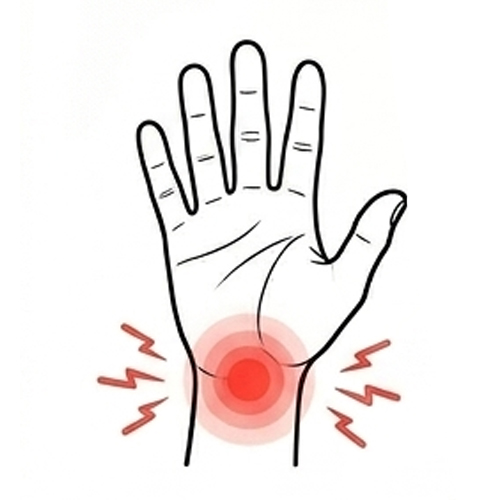
Pain persisting beyond two to three weeks, despite sensible setup changes, warrants an assessment.
Occasional end-of-day ache that clears overnight is common and usually responds to the setup changes above. Pain that has moved into the morning, that limits typing or gripping, or that keeps returning despite changes made, has crossed into assessment territory.
An assessment identifies the specific structure involved, since desk-related pain can affect tendons, nerves, or joints depending on the habit behind it, and stages a plan matched to the actual cause. Our wrist pain and hand pain teams in London assess these presentations within days through direct access, no referral needed.
Note. Some wrist and hand symptoms need medical review rather than a physiotherapy booking. Seek urgent GP or A&E care for a joint injury with visible deformity or inability to move it, a hot swollen joint with fever, or sudden weakness or numbness spreading through the hand. Physiotherapists screen for these at first assessment and refer onward the same day when they appear. Contact NHS 111 when unsure.
Frequently Asked Questions
We answer the desk-related pain questions patients ask most.
Can typing really cause wrist and hand pain?
Yes, repeated small loads over thousands of keystrokes and clicks a day add up over weeks. The volume of repetition matters more than the intensity of any single movement. Setup and habit changes often reduce this load meaningfully.
What desk setup changes actually help?
Keeping wrists roughly neutral while typing, using a mouse that suits your grip without gripping tightly, and taking regular short breaks all reduce load. Phone habits matter too, since holding rather than pinching and switching hands reduces thumb strain specifically.
When should desk-related wrist or hand pain be assessed?
Once it persists beyond two to three weeks despite sensible setup changes, or limits typing and gripping. Occasional end-of-day ache usually responds to the changes above. Persistent or worsening pain benefits from identifying the specific structure involved.
References
- Health and Safety Executive. Work-related upper limb disorders: display screen equipment.
- National Health Service. Repetitive strain injury: symptoms and prevention.
- Chartered Society of Physiotherapy. Direct access to physiotherapy.
- Health and Care Professions Council. The register of physiotherapists.
