

Wrist Pain: Symptoms, Causes, Treatment and When to See a Physio
Wrist pain is common among office workers, gym-goers, and anyone who uses their hands for a living, which is everyone. The wrist is a corridor: eight small bones, the tendons of every finger, and the nerves supplying the hand all pass through a joint narrower than a watch strap, so a lot can hurt in a small space.
Key Takeaways
- Location narrows wrist pain fast: thumb-side points to De Quervain's, palm-side with night tingling to carpal tunnel, the top to loaded-extension overload, and the pinky side to the cartilage complex.
- Most wrist pain is gradual overload, not injury: load crept up, capacity did not, and the tendons are reporting the gap.
- Gym wrist pain nearly always follows one mechanism, the wrist bent back under load, and it is trained away, not rested away.
- A fall onto the outstretched hand with bone tenderness or inability to grip earns a same-day fracture check.
- Constant numbness, thumb-base muscle wasting, or progressive hand weakness are the signs that move carpal tunnel toward a surgical opinion.
What is Wrist Pain?
Wrist pain refers to discomfort, stiffness, or weakness felt around the wrist joint, sometimes spreading into the hand or forearm. It may stem from overloaded tendons, an irritated nerve, a sprained ligament, or the joint surfaces themselves.
Most wrist pain is an overload story: the tendons and joint were asked to do more than they were currently conditioned for, through typing, training, lifting, or a new activity, and they are reporting the deficit. An assessment identifies which structure is talking and builds a plan to restore mobility, strength, and function.

Where Does Your Wrist Hurt? Location Points To The Cause
The single most useful question about ankle pain is where it lives. Each side of the ankle houses different structures, so the location narrows the diagnosis before anyone examines you.
Thumb side of the wrist
Pain on the thumb edge, sharp with lifting, pouring, and phone use, points to De Quervain’s tenosynovitis, irritation of the thumb tendons in their tunnel. Classic in new parents lifting babies and in heavy phone users.
Palm side of the wrist
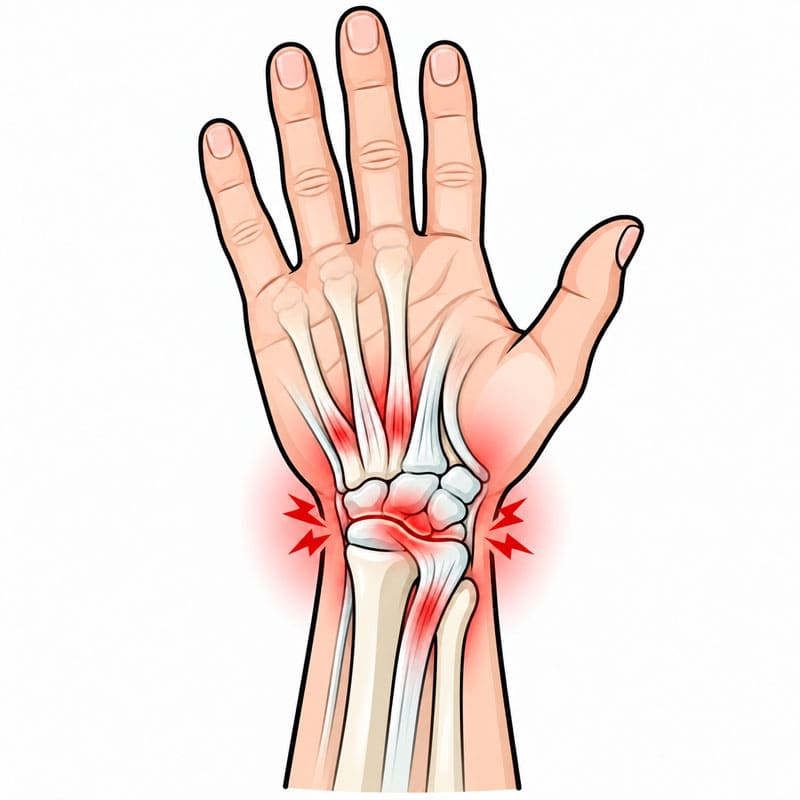
Deep, central, or all-over pain.
Little-finger side of the wrist
Back (top) of the wrist.
Main Types of Wrist Pain
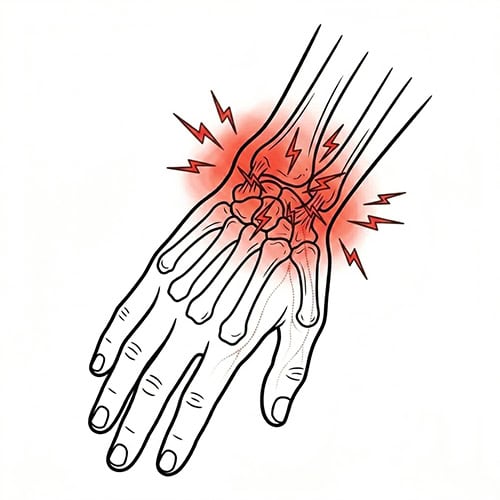
Tendonitis or Tendinopathy
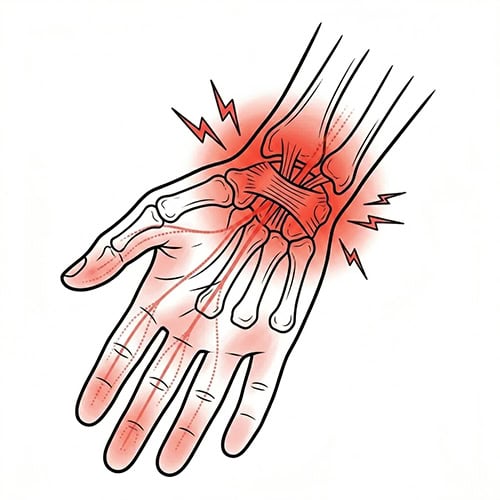
Carpal Tunnel Syndrome
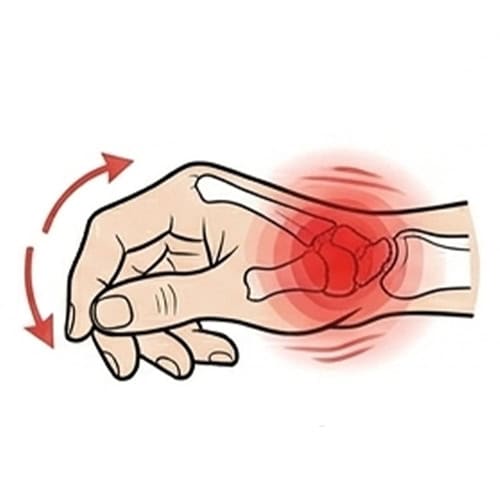
De Quervain’s Tenosynovitis
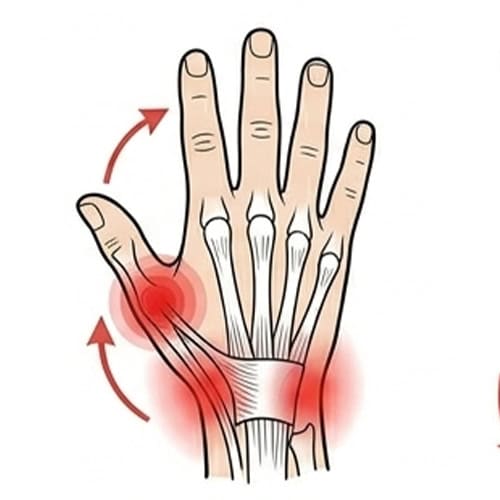
Wrist Sprain or Ligament Injury
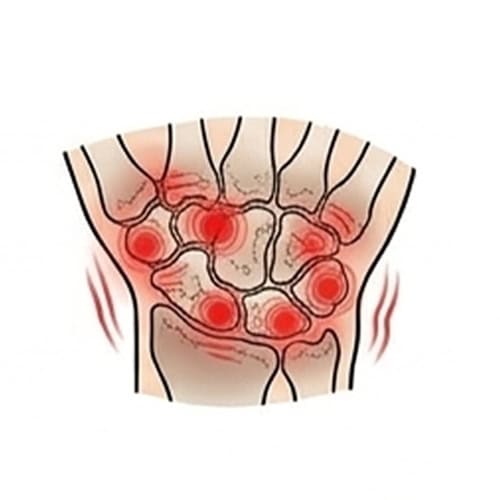
Arthritis or Degenerative Change
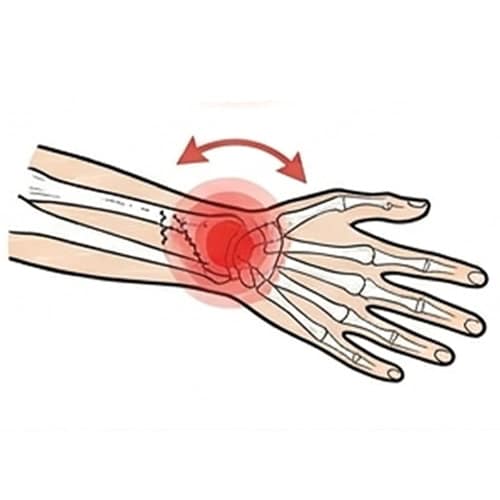
Post-Fracture or Post-Surgical Pain
Wrist Pain from the Gym and Weight Training
Gym wrist pain is common enough to deserve its own section, and it nearly always follows one mechanism: the wrist bent back under load. Press-ups, planks, front squats, cleans, and heavy pressing all park body weight or bar weight on a fully extended wrist, and when the load exceeds what the wrist’s tendons and joint are conditioned for, the top of the wrist complains, sharply at the time or achingly afterwards.
Sore wrists after lifting are a capacity signal, not a stop sign: the wrist can be trained like anything else, and the fix is usually a mix of technique, temporary load adjustment, and direct wrist strengthening rather than abandoning training.
Pain that recurs every push day, or grip that is failing on lifts it used to manage, has earned an assessment, because unaddressed gym wrist pain tends to escalate rather than adapt on its own.
Common Causes and Contributing Factors
- Repetitive use: typing, gripping, lifting, phone habits
- A sudden increase in training load or a new activity
- Prolonged awkward wrist positions at the desk
- Weak forearm and grip muscles relative to the demand
- A previous injury, fracture, or sprain that never fully rebuilt
- Poor workstation or equipment setup
Most wrist pain develops gradually, from subtle repetitive stress rather than one moment, which is why “my wrist hurts but I didn’t do anything” is one of the most common things we hear, and almost always has a load story behind it once we look. Where stiffness is the dominant feature, our arthritis treatment page covers that pathway.
Symptoms and What They Mean
- Aching or sharp pain on one side of the wrist, which the location map above narrows
- Burning pain, which leans toward a nerve or an inflamed tendon sheath rather than the joint
- Tingling or numbness in the fingers, which brings the nerves in, at the wrist or from the neck, and changes the plan
- Pain when bending the wrist or putting pressure through it, the loaded-extension pattern
- Swelling, stiffness, or reduced movement
- Weakness when gripping, lifting, or pressing, and grip that fails without much pain points at the nerve
- Clicking, catching, or popping sensations
The combination matters more than any single symptom: pressable tenderness plus pain on effort names a tendon, position-dependent deep pain names the joint, and finger tingling names a nerve. Assessment separates them in one session.
Clinical insight from One Body LDN
"The week we warn every wrist patient about is the fourth. By then the pain has usually eased enough that people return to full typing, full training and full life in the same week, and the flare that follows convinces them the treatment failed. It did not. The tissue was midway through rebuilding, and staged return is not caution for its own sake, it is the treatment."Rebecca Bossick — Chartered Physiotherapist & Clinical Director
How Long Does Wrist Pain Last?
Acute wrist pain, under six weeks, often resolves with activity modification, targeted exercise, and hands-on treatment. Sub-acute pain, six to twelve weeks, benefits from graded strengthening and workstation or training changes, because by then capacity is the limiting factor.
Persistent pain beyond twelve weeks needs a comprehensive plan addressing strength, movement quality, and sensitivity together, and it remains very treatable. Wrists are used thousands of times a day, which is exactly why untreated wrist pain persists, and why structured loading beats waiting.
When Wrist Pain Needs Urgent Attention (Red Flags)
- Sudden severe pain, swelling, or deformity after a fall or trauma, especially a fall onto the outstretched hand, which earns a fracture check the same day
- Tenderness directly on the wrist bones with inability to grip or bear weight through the hand
- Numbness or weakness in the hand worsening quickly, or constant numbness that no longer comes and goes
- A hot, red, swollen wrist with fever or feeling unwell
- A cold, pale, or blue hand
- Unexplained night pain, a growing lump, or rapid swelling without injury
How Physiotherapists Diagnose Wrist Pain
- Take a detailed history of your symptoms, work habits, training, and how the pain began
- Assess range of movement, strength, and grip against the other side
- Test the specific tendons, ligaments, and nerve function, including the provocation tests for carpal tunnel and De Quervain's
- Check the neck and forearm's contribution, since nerve symptoms in the hand can start higher up
- Identify the posture, technique, or load factors feeding the overload
Where imaging, X-ray, ultrasound, or MRI, would genuinely change the plan, your physiotherapist coordinates with your GP or specialist. Most wrist diagnoses are made by hand: the location, the story, and the loading tests carry the answer.
Physiotherapy Treatment for Wrist Pain
Hands‑On Physiotherapy
Exercise Therapy
Movement and Ergonomic Retraining
Rehabilitation Programmes
How Physiotherapy Helps Long Term
Physiotherapy restores tendon health and joint mobility, rebuilds the forearm and grip strength that protects the wrist, reduces nerve sensitivity where it is contributing, corrects the daily setups that fed the problem, and returns you to sport, work, and training with a wrist conditioned for what you actually do to it. A wrist rebuilt past its old capacity is the honest prevention plan.
When to See a Physio
- Pain lasts more than two to three weeks or keeps recurring
- Wrist pain interrupts work, workouts, or hobbies
- You wake at night with pain or tingling
- Grip is weakening, or you are avoiding tasks
- You are unsure which activities are safe to continue
Early assessment shortens recovery and stops mild irritation from becoming a long-standing problem. After a fall or impact, our fracture treatment page covers that route first.
Take the Next Step Toward Recovery
At One Body LDN, our physiotherapists treat the full range of wrist problems, from tendonitis and carpal tunnel to sprains and post-fracture rehabilitation. We combine precise assessment, hands-on therapy, and staged strengthening to get you gripping, typing, and training confidently again. Direct access applies: no GP referral needed.
Learn more about wrist pain
Frequently Asked Questions
How do I tell if my wrist is sprained or broken?
You cannot reliably tell from pain alone. Tenderness directly on the bone, rapid swelling, visible deformity, or inability to grip and bear weight through the hand after a fall all warrant an X-ray the same day. A sprain typically allows some careful use; when in doubt, get it checked first.
Should I wear a wrist splint or brace?
Why did I wake up with wrist pain?
Why do both wrists hurt at the same time?
Can I keep training with wrist pain?
Why does my wrist hurt with no injury?
Why is my wrist pain worse at night?
My wrist clicks or pops when I rotate it. Is that serious?
When do I need an X-ray or scan?
Can physiotherapy treat carpal tunnel without surgery?
Does typing cause carpal tunnel syndrome?
How do I strengthen weak wrists?
References
- National Institute for Health and Care Excellence. Clinical Knowledge Summary: Carpal tunnel syndrome
- Padua L, Coraci D, Erra C, et al. Carpal tunnel syndrome: clinical features, diagnosis, and management. The Lancet Neurology. 2016;15(12):1273-1284.
- Huisstede BM, Hoogvliet P, Franke TP, Randsdorp MS, Koes BW. Carpal tunnel syndrome: effectiveness of physical therapy and electrophysical modalities. An updated systematic review of randomized controlled trials. Archives of Physical Medicine and Rehabilitation. 2018;99(8):1623-1634.
- Challoumas D, Ramasubbu R, Rooney E, Seymour-Jackson E, Putti A, Millar NL. Management of de Quervain tenosynovitis: a systematic review and network meta-analysis. JAMA Network Open. 2023;6(10):e2337001.
- Palmer KT, Harris EC, Coggon D. Carpal tunnel syndrome and its relation to occupation: a systematic literature review. Occupational Medicine. 2007;57(1):57-66.
- NHS. Carpal tunnel syndrome.
- NHS. Wrist pain.

Reviewed by Rebecca Bossick, Co-Founder & Clinical Director, HCPC-registered Physiotherapist.
Last reviewed: October 2026