

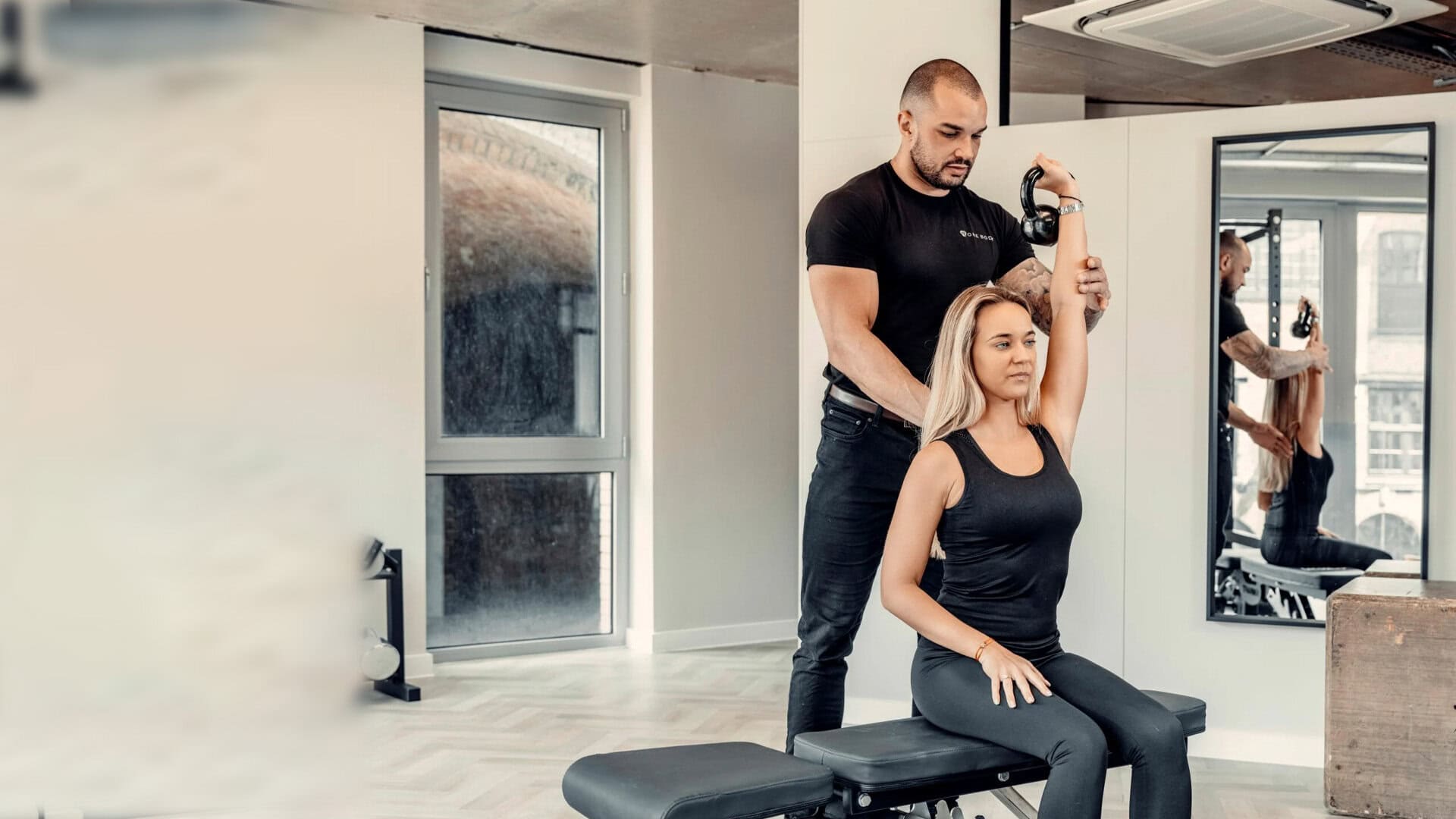

Online physiotherapy works better than sceptics expect and has firmer limits than its marketing admits. Both halves of that sentence are true, and most comparisons only tell you one. The evidence first: clinical trials comparing video-delivered physiotherapy against clinic care have found remote treatment performs comparably for many common musculoskeletal problems, because the parts of physiotherapy that drive recovery, assessment reasoning, exercise progression, and education, travel over video largely intact.
The limits are equally real: hands cannot work through a screen, and some assessments need a room. The honest question is never which format is better in general. The honest question is what your problem needs this week, and the matcher below answers it.
Key Takeaways
- Trials show remote physiotherapy performs comparably to in-person care for many musculoskeletal problems.
- Exercise progression, education, and follow-up reviews travel over video largely intact.
- Hands-on treatment, precise strength testing, and complex first assessments need a room.
- The right format depends on the appointment’s job, not on loyalty to either camp.
- Many recoveries run best as a hybrid: assessed in person, progressed online.
What The Evidence Says About Online Physiotherapy
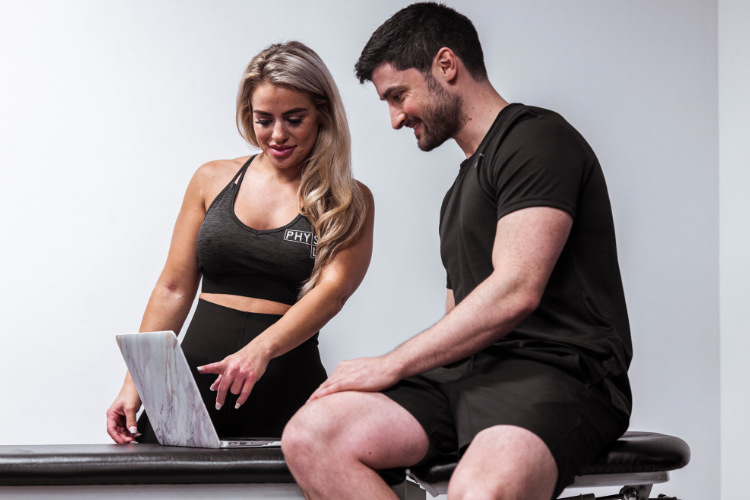
Remote physiotherapy delivers comparable outcomes to clinic care for many musculoskeletal problems.
The finding surprises people, and it holds across multiple trials, including work comparing video consultations directly against face-to-face physiotherapy for common joint and muscle problems. The explanation sits in what physiotherapy actually is.
Recovery is driven mostly by the active ingredients: an accurate working diagnosis, a progressive exercise plan, education that removes fear, and adjustment as you improve. Every one of those is a conversation and a demonstration, and conversations and demonstrations survive a video call.
The evidence hierarchy behind exercise-led treatment is covered in our guide to physiotherapy treatment methods, and remote delivery leans on exactly the methods at the top of it. Comparable does not mean identical for everyone, and the trials studied suitable problems with suitable patients, which is precisely the point: suitability decides the format.
What Online Physiotherapy Handles Well
Video handles the thinking, teaching, and progressing parts of physiotherapy almost fully.
Four appointment types transfer with little loss. Follow-up reviews: progress checks, plan adjustments, and exercise progression, the bread and butter of weeks two onward. Exercise coaching: technique corrected live on camera, sets and loads progressed, the home programme that carries most recoveries anyway, as our guide to the home exercise programme sets out.
Education-heavy appointments: understanding a diagnosis, pacing a return to running, managing a flare. Triage and advice: is this worth treating, is this urgent, what should the next step be. Remote also removes the two biggest reasons London treatment courses stall, travel and diary friction, and an attended video review beats a cancelled clinic one every single week.
What Needs An In-Person Appointment
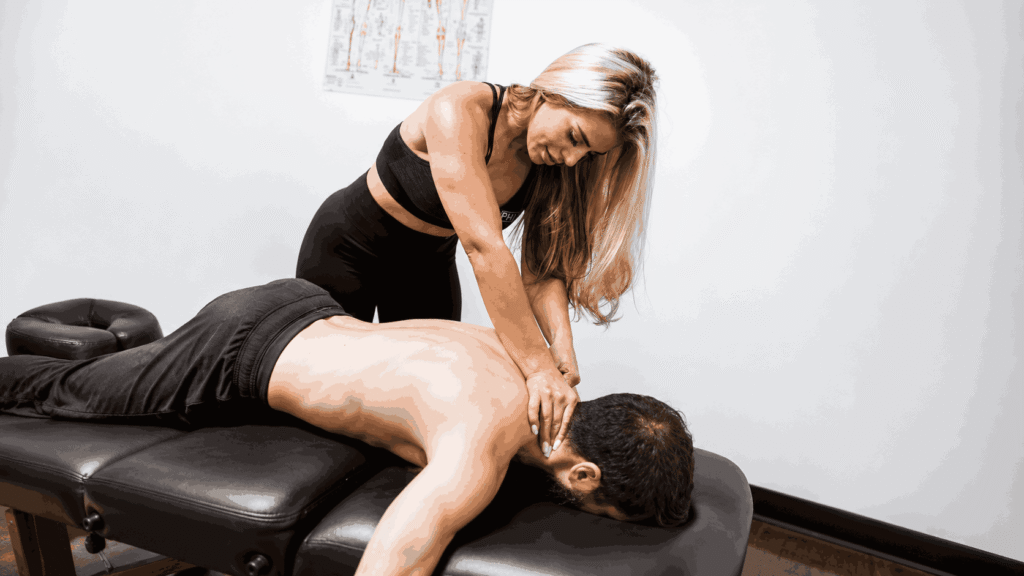
Hands, precise testing, and complex first assessments still need a room.
Four things resist the screen. Hands-on treatment: joint mobilisation and soft-tissue work require touch, and where they earn their place in a plan, they need a visit. Precise physical testing: ligament testing after an injury, grading strength against resistance, and feeling how a joint moves under load all lose accuracy remotely.
Complex or unclear first assessments: a problem with nerve symptoms, trauma, multiple regions, or an unclear pattern deserves the full examination described in our guide to how physiotherapists diagnose.
Safety screening with any doubt: where red-flag questions raise anything, an in-person examination settles what a camera cannot. None of this is a weakness of video. A stethoscope has limits too. Formats are tools, and tools have jobs.
How To Choose For Your Problem
Match the format to the appointment’s job, and expect the answer to change through recovery.
A practical rule covers most cases. Start in person when the problem is new, complex, post-injury, or carries any nerve or safety question, because the first assessment sets the whole plan and deserves full testing.
Go remote for progression once the diagnosis is settled: reviews, exercise upgrades, and education work by video, and convenience protects attendance. Return in person at decision points: a plan that has stalled, a new symptom, or a stage needing hands-on input or re-testing. Many of the best recoveries run hybrid on exactly this rhythm, in person at the ends, online through the middle.
The choice belongs to the problem, not the calendar, and a good clinician recommends the format each appointment needs rather than the one the business model prefers. Our physiotherapy assessments run both ways, and our team in London books either format within days through direct access, no referral needed.
Note. Format never overrides safety. Seek urgent medical care rather than booking either format for numbness in the saddle area, new bladder or bowel changes, numbness or weakness in both legs, severe unrelenting night pain, unexplained weight loss with new pain, fever alongside joint pain, or an injury you cannot bear weight through. Remote or in person, physiotherapists screen for every one of these at first assessment and refer onward the same day when they appear. Contact NHS 111 when unsure.
Frequently Asked Questions
We answer the format questions patients ask most.
Is online physiotherapy as effective as in-person?
Trials show comparable outcomes for many common musculoskeletal problems, because assessment reasoning, exercise progression, and education transfer well over video. Problems needing hands-on treatment, precise testing, or complex first assessment still do better in a room. Suitability decides it, and a good first assessment establishes suitability.
What happens in an online physiotherapy appointment?
The same structure as a clinic visit: history, movement assessment on camera, a working diagnosis where the problem suits it, and a plan with demonstrated exercises. You need a phone or laptop, a little space, and clothing you can move in. Follow-ups review progress and upgrade the plan.
Can a physiotherapist diagnose over video?
Yes for many straightforward movement and load problems, where history and observed movement carry most of the diagnosis. Nerve symptoms, injuries needing ligament testing, and unclear patterns need in-person examination. An honest remote assessment says so and converts to a clinic visit.
Should my first physiotherapy appointment be in person?
New, complex, or post-injury problems benefit from an in-person first assessment, because full physical testing sets the plan. Simple, familiar, or recurring problems can start remotely. Once assessed, much of the follow-up work runs well by video.
References
- National Institute for Health and Care Excellence. Musculoskeletal conditions: management and remote care guidance.
- Chartered Society of Physiotherapy. Remote physiotherapy: guidance and evidence.
- National Health Service. Physiotherapy: how to access it.
- Health and Care Professions Council. Standards of proficiency for physiotherapists.
