

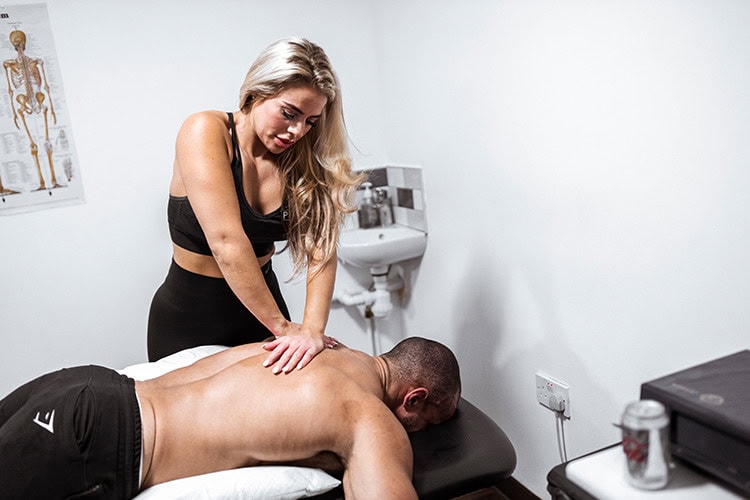

Physiotherapy uses several treatment methods, and they are not equal. The strongest evidence backs the active ones: exercise and education. Hands-on manual therapy supports them. Machines and electrotherapy sit further down as occasional add-ons, not the main event.
Knowing that order helps you judge any treatment plan, because a good one leads with the methods that carry the evidence. We rank the methods first, then explain each. Our MCSP-registered team at One Body LDN treats musculoskeletal problems across our London clinics, and every plan we build follows this same order of priority.
Key Takeaways
- Exercise therapy and education carry the strongest evidence in physiotherapy.
- Manual therapy is a valuable support, most effective alongside active treatment.
- Electrotherapy and machines are occasional adjuncts, not the core of a good plan.
- A treatment plan led by passive methods alone is a warning sign.
- The right mix depends on your problem, its stage, and your goals.
The Methods, Ranked By Evidence
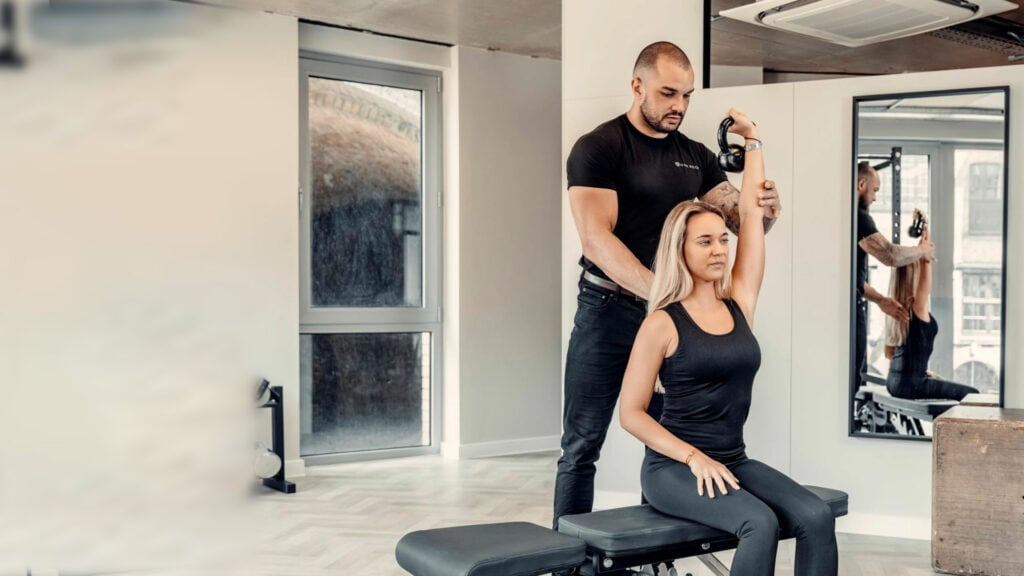
A strong plan leads with active treatment and uses the rest in support.
Exercise Therapy
The core of modern physiotherapy. Targeted, progressive loading rebuilds strength, movement, and capacity, and the evidence for it across musculoskeletal problems is the strongest of any method. Exercise is what makes recovery last, because it changes the tissue rather than soothing the symptom.
Education And Self-Management
The quietest method and one of the most powerful. Understanding your problem, what helps, what to avoid, and what recovery looks like, changes outcomes measurably. A patient who understands their injury moves with more confidence and recovers faster.
Manual Therapy
Hands-on techniques: joint mobilisation, soft-tissue work, manipulation. Genuinely useful for easing pain and improving movement, especially early, and most effective when it opens the door for exercise rather than standing alone.
Electrotherapy And Machines
Ultrasound, laser, and similar tools. These sit at the bottom of the evidence order and work as occasional adjuncts for specific situations, never as the foundation of a plan.
Why The Order Matters
A plan built on passive treatment alone rarely holds.
Passive methods, the ones done to you, can feel productive because they ease symptoms in the room. The relief often fades by the next day, because nothing changed the underlying capacity. Active methods, the ones you do, are what make recovery stick.
This is the single most useful thing to understand about physiotherapy: treatment that only ever soothes is treatment that keeps you coming back. The methods that carry the evidence are the ones that reduce how much treatment you need over time.
How The Right Mix Is Chosen
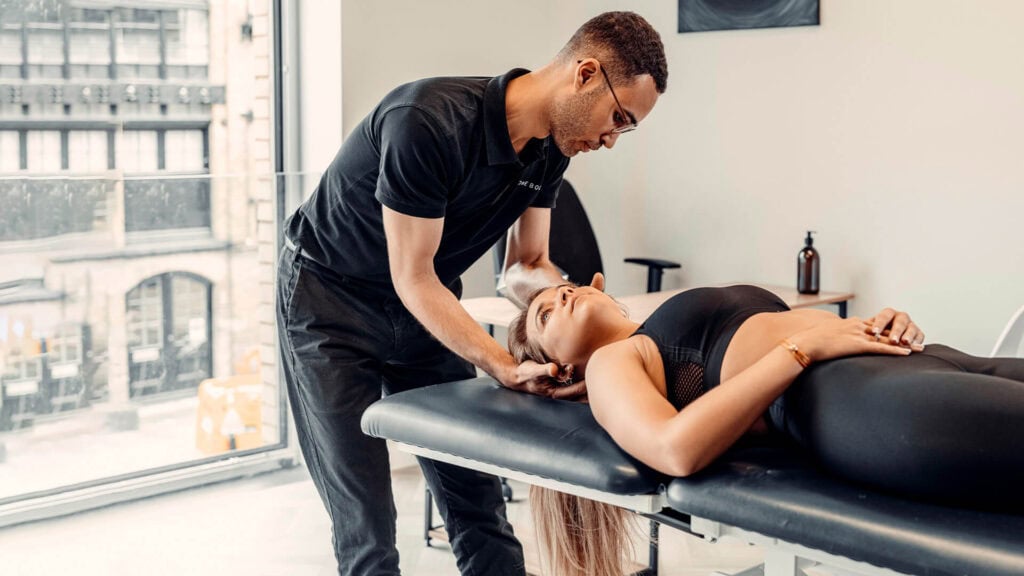
The best mix depends on your problem, its stage, and what you want to get back to.
Method selection is not one-size-fits-all. An acutely painful problem may lean on manual therapy and education early, then shift toward exercise as symptoms settle. A long-standing capacity problem goes straight to progressive loading.
The stage of the problem sets the starting mix, and the plan changes as you improve. That matching is exactly what an assessment produces, which is why diagnosis leads treatment. Our guide to how physiotherapists diagnose covers how that working diagnosis is reached, and the diagnosis is what points to the right methods.
What A Good Plan Looks Like
A good treatment plan is active-led, staged, and built around your goals.
Expect a plan that starts with a clear diagnosis, leads with exercise and education, uses manual therapy to support where helpful, and reserves machines for specific jobs. Expect it to progress: what you do in week one should not be what you do in week four.
Expect the endpoint to be independence, not dependence, with you able to manage the problem yourself. Our physiotherapy team in London builds plans on this model, because a plan that makes you self-sufficient is the mark of good treatment.
Note. Physiotherapy treats musculoskeletal problems and screens for anything needing medical review first. Seek urgent GP or A&E care for numbness in the saddle area, new bladder or bowel changes, severe unrelenting night pain, unexplained weight loss with new pain, fever alongside joint pain, or an injury you cannot bear weight through. Physiotherapists screen for these at first assessment and refer onward the same day when they appear. Contact NHS 111 when unsure.
Frequently Asked Questions
We answer the treatment questions patients ask most.
What is the most effective physiotherapy treatment?
Exercise therapy carries the strongest evidence across musculoskeletal problems, supported by education. These active methods change the underlying tissue and capacity, which is what makes recovery last. Hands-on and machine-based methods support them rather than replacing them.
Is manual therapy or exercise better?
They work best together, with exercise as the foundation and manual therapy as support. Manual therapy is valuable for easing pain and improving movement early, especially when it makes exercise more achievable. Exercise is what secures the long-term result.
Should I be worried if my physio only uses machines?
A plan built mainly on electrotherapy or machines is a warning sign. These are occasional adjuncts with limited evidence, not the core of good treatment. A strong plan leads with exercise and education and uses machines only for specific jobs.
