Home - Blog - How to Stop Elbow Pain Coming Back: Long-Term Prevention Plan

How to Stop Elbow Pain Coming Back: Long-Term Prevention Plan


Important Notice: This content covers topics that may significantly impact your wellbeing. We recommend consulting qualified professionals before acting on this information.


Last reviewed: June 2025

This article is for informational purposes only and is not a substitute for professional medical advice. Always consult a qualified healthcare provider before starting any new exercise or treatment programme.

You got through the physio sessions, the exercises, the frustrating weeks of rest. The pain faded. You went back to normal life. Then, three or six months later, that familiar ache crept back into your elbow, and you found yourself wondering what went wrong. If this sounds familiar, you are not alone. Recurrence rates after corticosteroid injections for tennis elbow alone range from 34-74%, and even conservative treatment, while effective for roughly 80% of cases, does not guarantee the problem stays gone. The real question is not just how to fix elbow pain, but how to stop it returning for good. That requires a genuine long-term prevention plan: one that addresses the root causes, not just the symptoms. This article breaks down why elbow pain recurs, the mistakes that invite it back, the maintenance work that keeps tendons healthy, and the early signals you cannot afford to ignore.


Key Takeaways

  • Elbow pain recurrence is common because most people treat the symptom without correcting the underlying cause, whether that is grip overload, poor desk ergonomics, or training errors.
  • Lifestyle and training mistakes like ramping up volume too quickly, skipping warm-ups, and ignoring forearm conditioning are the most frequent culprits.
  • Maintenance exercises are non-negotiable after physio: 10-15 minutes, three times a week, can dramatically reduce your risk of relapse.
  • Periodic check-in sessions with a physiotherapist catch small problems before they become big ones, especially for desk workers and regular gym-goers.
  • Early warning signs like morning stiffness, grip weakness, and point tenderness are your body’s alarm system: respond to them early.
  • Full recovery from tennis elbow can take one to two years for 80-90% of patients, so patience and consistency matter more than any single treatment.

Why Elbow Pain Often Comes Back

The short answer: because the thing that caused it in the first place usually has not changed.

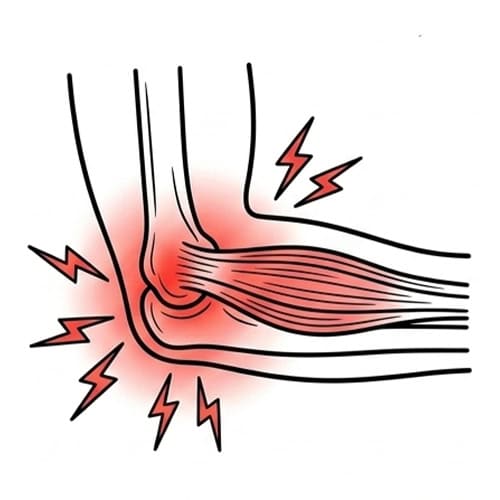
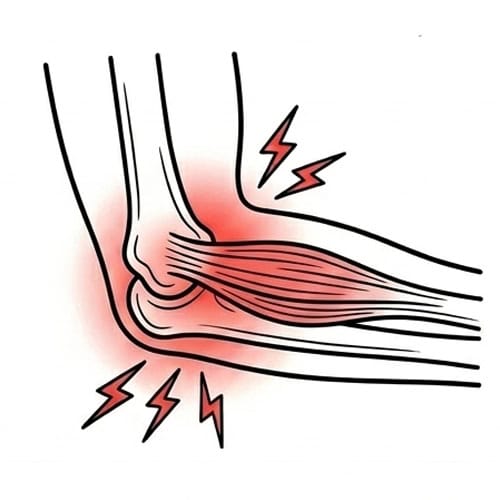
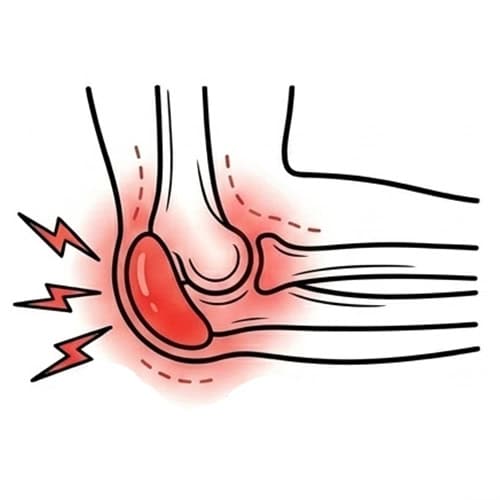
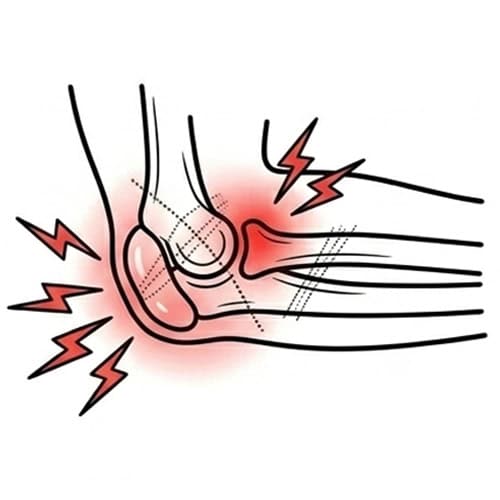
Most elbow pain, particularly lateral epicondylalgia (tennis elbow) and medial epicondylalgia (golfer’s elbow), is driven by repetitive strain on the tendons that attach forearm muscles to the bony prominences of the elbow. Tennis elbow alone affects 1-3% of adults annually, and the condition is far more common among people who perform repetitive gripping, twisting, or keyboard-based tasks than among actual tennis players.

Here is the distinction most people miss: the acute flare-up is the trigger, but the root cause is usually accumulated overload, poor tissue capacity, or biomechanical habits that have been building for months or years. A tendon does not fail overnight. As Dr. Petit explains, repetitive activity is like exposing a tendon to small traumas over and over again, and eventually they build up and lead to inflammation or more serious injury. If your rehab only addressed the pain without rebuilding tendon capacity and correcting the habits that created the overload, the problem is likely to return.

There is also a neurological dimension. Chronic or recurring pain can sensitise the nervous system, meaning the brain starts interpreting normal loads as threatening. This is part of the biopsychosocial model of pain: stress, poor sleep, and anxiety about re-injury all contribute to how intensely you experience discomfort. For high-pressure professionals working long hours at a desk, this combination of physical strain and psychological stress creates a perfect storm for recurrence.

Rebecca Bossick (BSc (Hons) Physiotherapy) at One Body LDN puts it simply: “The clients I see with recurring elbow pain almost always share two things in common: they stopped their rehab exercises the moment the pain went away, and they went straight back to the exact habits that caused it. The pain leaving does not mean the tendon is fully healed or resilient enough to handle your normal workload.”

Full recovery from tennis elbow can take one to two years for nearly 80-90% of patients. That timeline surprises most people, because the pain often settles within 6 to 12 weeks of conservative care. But pain resolution and tissue healing are not the same thing. The tendon may feel fine while still being structurally vulnerable, which is precisely why so many people relapse.

Key Lifestyle / Training Mistakes to Avoid

If you want to prevent elbow pain from returning, start by identifying what is feeding it. The mistakes fall into a few predictable categories.

Desk and Ergonomic Errors

For corporate professionals spending eight or more hours a day at a computer, the ergonomic setup matters enormously. Your elbows should rest comfortably at your sides at roughly a 90-degree angle when using a keyboard and mouse. If your desk is too high, your chair too low, or your mouse positioned too far to one side, you are placing sustained, low-grade strain on your forearm extensors every single working day. Over weeks and months, that strain accumulates.

Grip pressure on the mouse is another overlooked factor. Many people grip far harder than necessary, particularly during stressful tasks or tight deadlines. Try consciously relaxing your hand every few minutes. A vertical or ergonomic mouse can also help distribute load more evenly across the forearm.

Breaks should be taken every 30-45 minutes to stretch and move during activities involving repetitive motion. This is not a luxury: it is a basic requirement for tendon health. Set a timer if you need to. Stand, shake out your arms, do a few wrist circles, and let the tissues recover.

Training and Sport Errors

For those who train regularly, the most common mistake is ramping up volume or intensity too quickly after a period of rest or rehab. Tendons adapt to load much more slowly than muscles. A general rule is to increase training load by no more than 10% per week, and to pay particular attention to exercises that load the wrist extensors or flexors heavily: pull-ups, rows, deadlifts, and racquet sports.

Sprains make up 67.6% of acute elbow injuries among adolescent judo players, which highlights how vulnerable the joint is during high-force, repetitive movements. Even if you are not practising martial arts, the principle applies: any sport or exercise that involves gripping under load demands proper warm-up, progressive loading, and adequate recovery.

General Lifestyle Factors

Sleep deprivation, chronic stress, and poor nutrition all impair tissue healing and increase pain sensitivity. If you are sleeping five hours a night and running on caffeine, your tendons are not getting the recovery window they need. Aim for seven to nine hours, prioritise protein intake for tissue repair, and find a stress management strategy that actually works for you, whether that is walking, meditation, or simply switching off your phone after 8pm.

Maintenance Exercises After Physio

This is where most prevention plans fall apart. People finish their physio programme, feel better, and assume the job is done. It is not. Maintenance exercises are the single most important thing you can do to stop elbow pain coming back.

Think of it like brushing your teeth. You would not stop brushing just because you had no cavities at your last check-up. Tendon health requires ongoing stimulus to maintain capacity and resilience.

The Core Maintenance Programme

A solid maintenance routine for elbow tendon health takes about 10-15 minutes and should be performed three times per week. Here is what a typical programme looks like:

  1. Eccentric wrist extensions: hold a light dumbbell (1-2kg) with your forearm resting on a table, palm facing down. Slowly lower the weight over five seconds, then use the other hand to return to the start position. Three sets of 15 repetitions.
  2. Eccentric wrist curls: same setup, but with your palm facing up. Three sets of 15 repetitions.
  3. Forearm pronation and supination: hold a hammer or weighted bar at one end and slowly rotate your forearm from palm-up to palm-down. Three sets of 10 each direction.
  4. Grip strengthening: use a hand gripper or stress ball, squeezing and holding for five seconds. Three sets of 10.
  5. Shoulder blade squeezes: sit upright, squeeze your shoulder blades together and hold for five seconds. Three sets of 10. This supports the entire upper limb chain.

Why the Shoulder and Thoracic Spine Matter

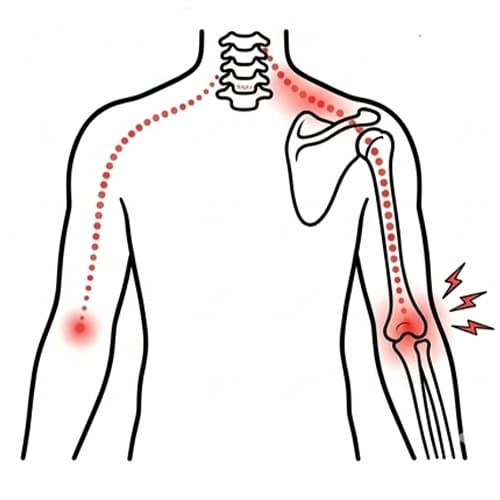
Elbow pain rarely exists in isolation. Weakness or stiffness in the shoulder, upper back, or thoracic spine can alter how forces travel down the arm, increasing demand on the forearm muscles and tendons. A good maintenance programme includes exercises for scapular stability and thoracic mobility: think rows, band pull-aparts, and gentle thoracic rotations.

Kurt Johnson (M.Ost, Master of Osteopathy) at One Body LDN often reminds clients: “Your elbow is the middle link in a long chain. If the shoulder is stiff or the upper back is locked up from sitting all day, the elbow absorbs more force than it was designed for. Maintaining mobility above and below the elbow is just as important as strengthening the forearm itself.”

Progression and Variety

As your tendons get stronger, you need to gradually increase the challenge. This might mean adding weight, increasing repetitions, or introducing more functional movements like loaded carries or resistance band work. The principle is progressive overload: the same principle that builds muscle also builds tendon resilience. Prevention is not about never using your arm: it is about managing load, building strength in the forearm and shoulder, and spotting early warning signs so small niggles do not grow into bigger flare-ups.

When to Top-Up With Check-In Sessions

Even with a solid maintenance routine, periodic professional check-ins can be the difference between catching a problem early and ending up back at square one.

Who Benefits Most?

If you fall into any of these categories, regular check-ins are worth considering:

  • You work at a desk for more than six hours a day and have a history of elbow pain
  • You train or play sport three or more times per week
  • You have had two or more episodes of elbow pain in the past two years
  • You have recently changed your training programme, job role, or workstation setup

How Often?

For most people with a history of elbow pain, a check-in every eight to twelve weeks during the first year after recovery is a reasonable schedule. After that, every three to six months may be sufficient, depending on your activity level and how well your maintenance routine is going.

These sessions do not need to be lengthy. A 30-minute appointment with a physiotherapist can assess your tendon health, review your exercise form, adjust your programme, and identify any compensatory patterns before they become symptomatic. One Body LDN, rated 4.9 on Google based on 6,500+ reviews, offers same-week physio appointments with no GP referral needed, which makes it straightforward to book a session when something feels off rather than waiting until it becomes a full-blown problem.

The Cost of Waiting

Most people only seek help once the pain is significant enough to interfere with work or training. By that point, the tendon has often been deteriorating for weeks. A single check-in session costs far less in time, money, and frustration than a full course of rehab. If you have private health insurance, most policies cover physiotherapy, so the financial barrier is often lower than people assume.

Early Warning Signs to Watch For

Your body gives you signals before elbow pain becomes a full relapse. The trick is learning to recognise them and acting quickly rather than pushing through.

The Red Flags of Recurrence

  • Morning stiffness in the elbow or forearm that lasts more than 15 minutes
  • A dull ache after gripping activities that was not there the week before
  • Reduced grip strength, particularly when lifting a kettle, opening jars, or shaking hands
  • Point tenderness when you press on the bony outside (lateral) or inside (medial) of your elbow
  • Pain that wakes you at night or is present at rest

Any one of these on its own might be nothing. But if you notice two or more persisting for more than a week, it is time to act.

What to Do When You Spot Them

First, do not panic. Early-stage tendon irritation responds well to load management. Reduce the aggravating activity by 30-50% for one to two weeks. Increase the frequency of your maintenance exercises, focusing on isometric holds (which can help with pain relief) rather than heavy eccentrics. Apply ice for 10-15 minutes after activity if the area feels warm or swollen.

If symptoms do not improve within two weeks of load modification, book a physiotherapy session. The earlier you intervene, the shorter the setback. Waiting until you cannot grip a coffee cup is not toughness: it is a strategy that reliably makes things worse.

Distinguishing Between Soreness and Injury

Not every twinge is a relapse. Mild muscle soreness after a new exercise or a busy day at work is normal and typically resolves within 24-48 hours. Tendon pain, by contrast, tends to be more localised, worsens with specific gripping or twisting movements, and lingers beyond 48 hours. Learning this distinction takes practice, but it is one of the most valuable skills you can develop for long-term self-management.

When to Seek Urgent Medical Attention

Certain symptoms warrant immediate evaluation rather than a wait-and-see approach:

  • Sudden, severe pain after a specific incident (possible ligament or tendon rupture)
  • Visible swelling, redness, or warmth suggesting infection or acute inflammation
  • Numbness or tingling radiating into the hand or fingers (possible nerve involvement)
  • Inability to straighten or bend the elbow fully
  • Pain accompanied by fever or general malaise

These are genuine red flags that require prompt assessment by a medical professional.


Your Long-Term Prevention Plan Starts Now

Stopping elbow pain from returning is not about a single fix. It is about building a sustainable system: the right exercises, sensible ergonomics, periodic professional input, and the self-awareness to respond to early warning signs before they escalate. The people who succeed with long-term elbow health are not the ones who find a magic cure. They are the ones who treat prevention as an ongoing habit, not a one-off project.

If you are recovering from elbow pain or want to make sure a past episode does not repeat itself, the award-winning physiotherapy team at One Body LDN can help build a personalised prevention programme that fits your work and training demands. All major private health insurers are accepted, and you can book your first session online in under 60 seconds.


Frequently Asked Questions

How long does it take for tennis elbow to fully heal? While symptoms often improve within 6 to 12 weeks of conservative care, full tendon recovery can take one to two years for 80-90% of patients. Pain resolution does not equal tissue healing. This is why maintenance exercises and gradual return to full loading are so important, even after the pain has gone.

Can I still exercise with elbow pain? In most cases, yes, but with modifications. Avoid exercises that directly aggravate the pain, reduce grip-intensive loads, and focus on lower body and core work while managing the flare. A physiotherapist can help you modify your training programme so you stay active without worsening the tendon.

Do cortisone injections prevent elbow pain from coming back? Research suggests the opposite. Recurrence rates after corticosteroid injections for tennis elbow range from 34-74%. While injections may provide short-term relief, they do not address the underlying tendon weakness or the habits causing overload, and may actually weaken the tendon over time.

Is elbow pain caused by my desk job? It can be a significant contributing factor. Prolonged mouse and keyboard use with poor ergonomics places repetitive strain on the forearm extensor muscles. Combined with sustained postures and inadequate breaks, desk work is one of the most common drivers of lateral elbow pain in non-sporting populations.

Should I wear an elbow brace to prevent recurrence? A counterforce brace can help redistribute load during aggravating activities, but it is not a standalone solution. Think of it as a short-term aid while you build tendon strength through exercise. Relying on a brace without addressing the underlying weakness is unlikely to prevent recurrence.

How do I know if my elbow pain is tennis elbow or something else? Tennis elbow typically causes pain on the outer elbow that worsens with gripping, twisting, or lifting with the palm facing down. If your pain is on the inner elbow, it may be golfer’s elbow. Pain with numbness or tingling could indicate nerve involvement. A physiotherapist or doctor can provide an accurate diagnosis and rule out other conditions.

Do I need an MRI for recurring elbow pain? Routine imaging is generally not necessary for typical tendinopathy. Clinical assessment by a skilled physiotherapist or doctor is usually sufficient to diagnose the problem and guide treatment. MRI may be recommended if symptoms are unusual, not responding to treatment, or if there is concern about a structural tear.


References


Clinically reviewed by Rebecca Bossick, BSc (Hons) Physiotherapy
HCPC-registered Chartered Physiotherapist and Lead Clinical Physiotherapist at One Body LDN. Rebecca has 15+ years of clinical experience supporting London clients with sports injuries, post-surgical rehabilitation, desk-related pain, and persistent musculoskeletal conditions.

Clinical oversight by Kurt Johnson, M.Ost
Clinical Director at One Body LDN and a registered osteopath. Kurt oversees clinical standards, patient education, and content quality across the business, with extensive experience managing musculoskeletal care in London clinics.

At One Body LDN, our health content is created to be clear, evidence-based, and clinically responsible.

  • Written and reviewed with named clinical input
  • Aligned with NHS and NICE guidance, with research referenced where relevant
  • Reviewed and updated when guidance or evidence materially changes
  • Based on both published evidence and real-world clinical experience
  • Designed to support education, not replace individual medical advice

Learn how we write and review content
Learn more about One Body

Picture of Rebecca Bossick

Rebecca Bossick

Rebecca Bossick is a Chartered Physiotherapist, clinical trainer, and co-founder of One Body LDN - an award-winning physiotherapy clinic in London. With over a decade of experience treating elite athletes, high performers, and complex MSK conditions, she is passionate about modernising private healthcare with proactive, evidence-based care.

Disclaimer: The information in this post is for educational and informational purposes only and does not constitute or replace medical advice or professional services specific to you or your medical condition. Always consult a qualified professional for specific guidance on diagnosis and treatment. 

Book Today at Award-Winning One Body LDN

Related Blogs