

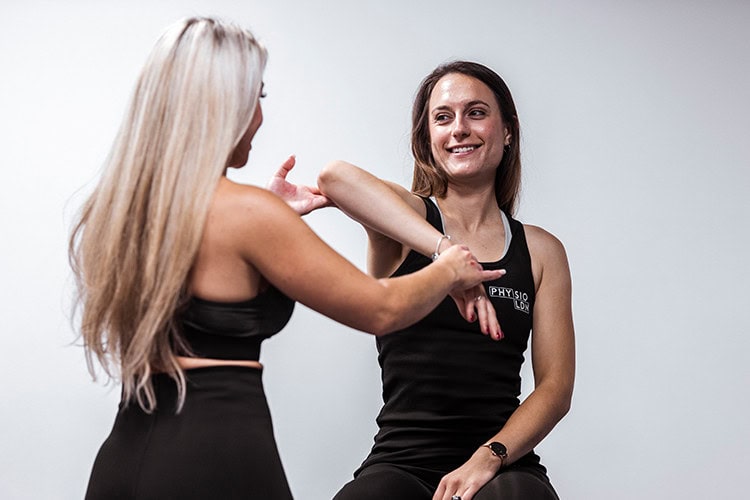

Finding the right private physiotherapist for elbow pain takes one checklist and ten minutes. Elbow pain draws a specific crowd of practitioners: physiotherapists, sports therapists, and sports massage clinics all market to the same audience, tennis players, golfers, and gym-goers with a sore elbow.
Only one of those titles is protected in law. Verification beats guesswork, so we put the checklist first and the reasoning after it. Our MCSP-registered team at One Body LDN assesses elbow pain daily across our London clinics, and this is exactly what we would tell a friend to run before booking anywhere.
Key Takeaways
- Verify HCPC registration first. Physiotherapist is a protected title, and the register takes two minutes to check.
- MCSP after a name confirms chartered status with the professional body.
- Elbow pain is not only a sports injury. Many cases have no sporting cause at all.
- A proper elbow assessment tests grip and forearm strength, not just the sore spot.
- Direct access applies. No GP referral is needed to book a private elbow assessment.
The Five-Minute Verification Checklist
Five checks separate a regulated elbow physiotherapist from an unverified title.
Run these before booking, in order.
1. Check The HCPC Register
Search the clinician’s name on the Health and Care Professions Council register. Registration is the legal requirement to practise as a physiotherapist in the UK. No entry, no booking.
2. Look For MCSP Status
MCSP after a name confirms membership of the Chartered Society of Physiotherapy, signalling chartered standards on top of legal registration.
3. Ask About Elbow Caseload
One question by phone: how often does the clinician treat elbow pain, tennis elbow, golfer’s elbow, and nerve-related elbow problems? Weekly elbow caseload beats occasional.
4. Confirm Assessment Length
The first appointment should run forty-five minutes minimum, enough time to test grip, forearm strength, and the elbow’s nerve supply, not just press on the sore spot.
5. Confirm The Named Clinician
Ask who you will see, then check that exact name against the register.
Elbow Pain Is Not Only A Sports Injury
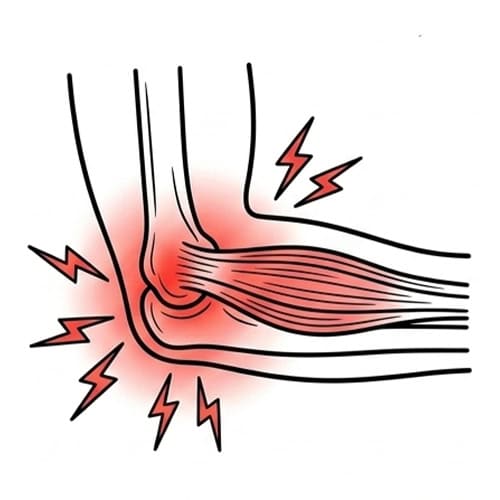
Many elbow presentations have no sporting cause at all, and marketing that assumes otherwise misses most patients.
Tennis elbow and golfer’s elbow are named for sports, but most people who develop them have never picked up a racquet or a club. Repetitive gripping, typing, screwdriver work, and manual trades cause the same tendon overload. Clinics that market exclusively to athletes can leave desk workers and tradespeople assuming their elbow pain does not qualify for the same care.
It does. Our guide to repetitive strain injury covers the load-without-recovery mechanism behind most of these presentations, sporting or not. The caseload question in the checklist above matters here specifically, because a clinician who only sees athletes may be less tuned to the desk-worker pattern.
The Sports Therapist Question
Sports therapist is a common title around elbow pain, and it carries no legal protection.
Many sports therapists work well within their training, particularly around pitches and in gyms. The difference that matters for an unassessed elbow problem is regulatory: physiotherapist requires HCPC registration, sports therapist does not.
For a new elbow problem, especially one that has not settled with simple rest, the regulated route gives you the protected assessment and the recognised complaints framework if anything goes wrong. Understanding how physiotherapy treats elbow pain helps you judge whether a practitioner is assessing properly or reaching straight for treatment.
What A Proper Elbow Assessment Includes
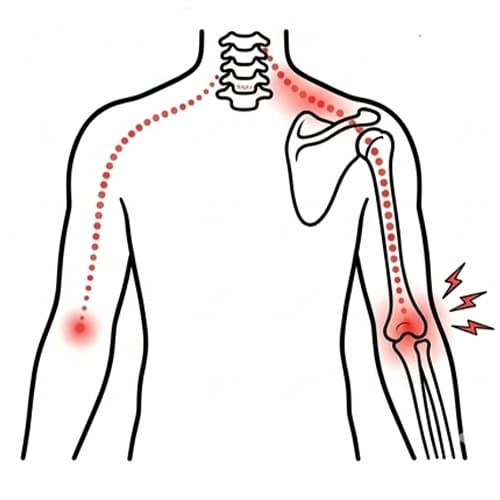
A real elbow assessment tests the whole forearm chain, not just the tender point.
Expect four parts. A structured history: when it started, what movements provoke it, and whether grip or lifting makes it worse. A physical examination: palpation of the tendons on both sides of the elbow, resisted wrist and finger movements, and grip strength testing.
A nerve check: elbow problems can involve the nerve that runs past the joint, so a proper assessment screens for that too. A working diagnosis and plan: what the problem is and what the first weeks of treatment involve. Our elbow pain team in London runs this full assessment, typically within days through direct access, no referral needed.
Note. Some elbow symptoms need medical review rather than a physiotherapy booking. Seek urgent GP or A&E care for an elbow injury with visible deformity or inability to move it after a fall, a hot swollen elbow with fever, or sudden numbness or weakness spreading down the arm. Physiotherapists screen for these at first assessment and refer onward the same day when they appear. Contact NHS 111 when unsure.
Frequently Asked Questions
We answer the booking questions elbow pain patients ask most.
Do I need a GP referral to see a private physio for elbow pain?
No, private physiotherapy runs on direct access, so you book the assessment yourself. Insurance-funded care sometimes needs pre-authorisation from your insurer first, which is a policy condition rather than a law. Self-pay patients book directly.
Do I need to play sport to have tennis elbow or golfer’s elbow?
No, both conditions are common in people who have never played the sport they are named after. Repetitive gripping and forearm use from typing, manual work, or daily tasks cause the same tendon overload. The name describes the movement pattern, not a requirement to play.
How do I check if an elbow physiotherapist is properly qualified?
Search their name on the HCPC public register, then look for MCSP status. Physiotherapist is a protected title, so registration is the legal line. Both checks are free and take minutes online.
References
- Health and Care Professions Council. The register and protected titles.
- Chartered Society of Physiotherapy. Finding a chartered physiotherapist.
- National Health Service. Elbow pain: causes and treatment.
- National Institute for Health and Care Excellence. Tendinopathy: assessment and management guidance.
