

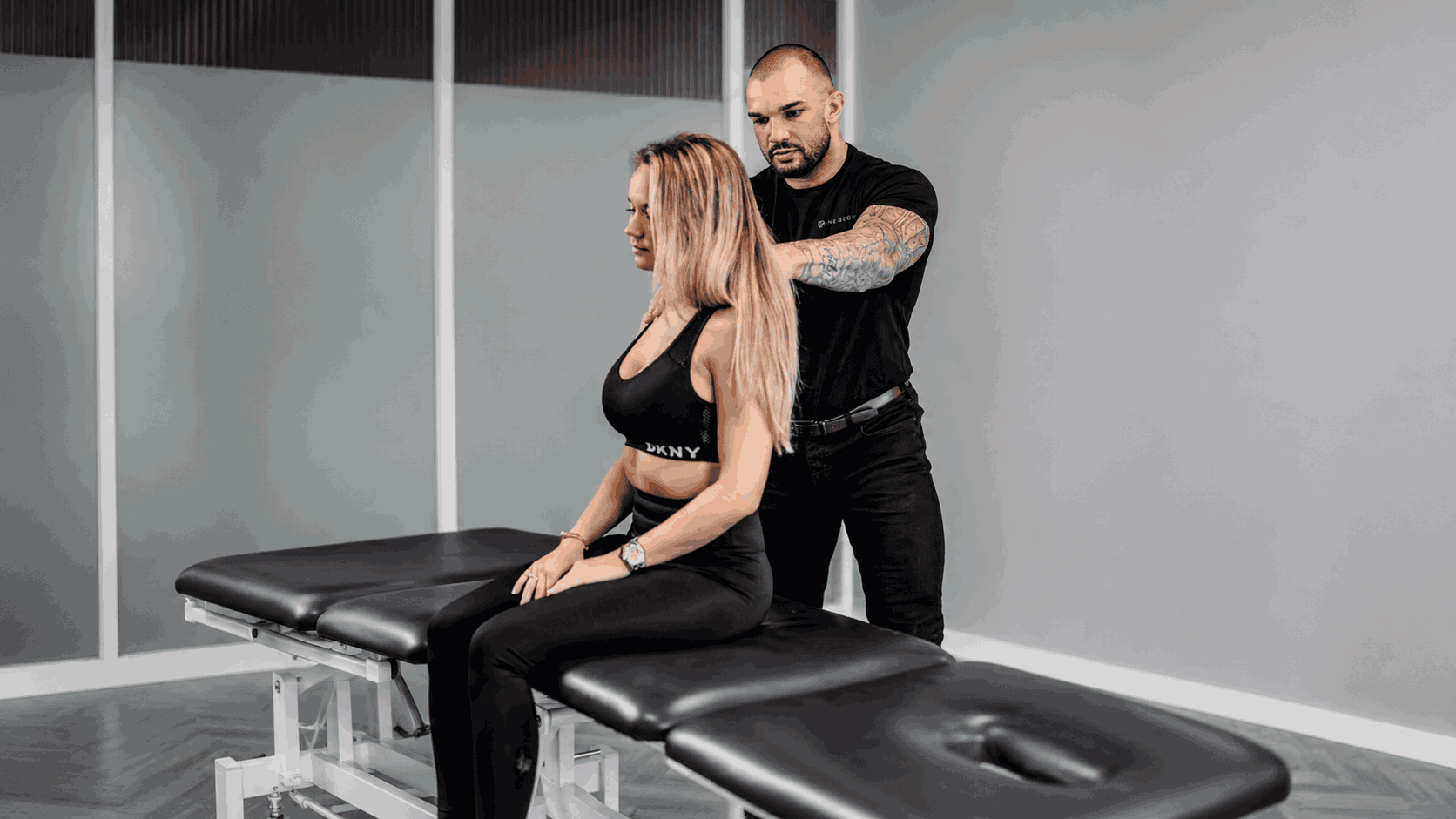

Frozen shoulder is the only common shoulder problem that follows a script. Three stages, in order, every time: a painful freezing stage where movement gradually locks away, a frozen stage where pain eases but stiffness rules, and a thawing stage where movement slowly returns. Knowing the script changes how the whole condition feels, because the frightening part, a shoulder losing movement week by week, is a stage with an ending rather than a decline without one.
The script also carries a warning the flat stage-lists never mention: treatment must match the stage, and the stretching that frees a thawing shoulder inflames a freezing one. Honest timescales run in months, and the full arc commonly spans one to two years and sometimes longer. The stages below map what each one feels like, how long each tends to run, and what care fits where.
Key Takeaways
- Frozen shoulder runs three stages in order: freezing (painful), frozen (stiff), thawing (recovering).
- The full arc commonly spans one to two years, and stage lengths vary widely between people.
- Treatment must match the stage: calming pain early, maintaining movement in the middle, rebuilding range late.
- Early frozen shoulder is regularly mistaken for a rotator cuff problem, and passive range is the tell.
- Most shoulders regain good function, and early assessment shapes how manageable the journey is.
The Three Stages Of Frozen Shoulder
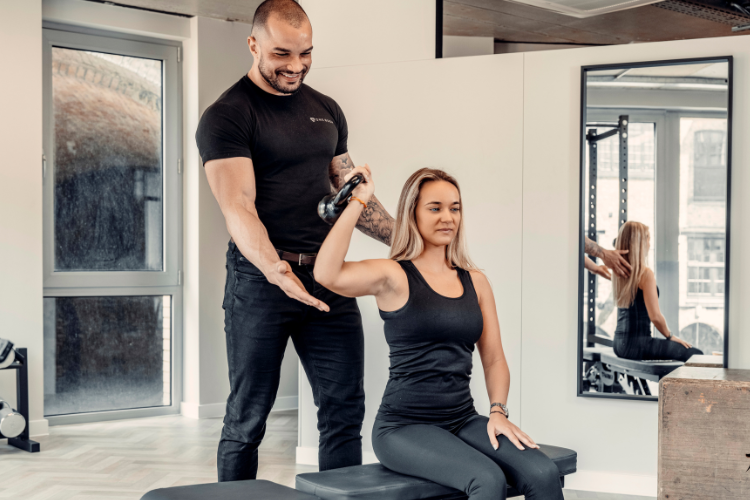
Each stage has its own character, and the character tells you where you are.
Stage One: Freezing
Pain leads. A deep, aching shoulder that worsens over weeks, hurts at night in every position, and guards against movement. Range shrinks gradually underneath the pain, reaching behind the back and overhead going first. Typically the stage runs several months, and its night pattern, an ache no position relieves, is the positionless signature mapped in our guide to shoulder pain at night.
Stage Two: Frozen
Stiffness leads. The pain settles substantially, which feels like progress, while the shoulder reaches its stiffest: seatbelts, bras, back pockets, and overhead cupboards all out of range. Typically months more, sometimes many. Sleep usually improves here, and frustration replaces pain as the main symptom.
Stage Three: Thawing
Movement returns. Slowly, unevenly, and genuinely, range comes back over months as the capsule loosens. Strength needs rebuilding alongside, because a year of guarding leaves the shoulder weak as well as stiff.
How Long Does Each Stage Last?
Timescales vary widely, and honest ranges beat false precision.
The whole condition commonly runs one to two years from first pain to comfortable function, with some shoulders faster and some slower. Freezing typically spans two to nine months, frozen four to twelve, thawing anywhere from six months to two years, and the boundaries blur rather than switch. Two honest notes belong beside those numbers.
Progress within a stage counts even when the stage itself is long, and sleep returning or pain settling is real progress in a shoulder still stiff. People with diabetes develop frozen shoulder more often and sometimes run longer arcs, which makes early assessment more valuable there, not less. The condition largely resolves, and “it goes away on its own” undersells what stage-matched care changes about the months in between.
Why Treatment Must Match The Stage

The right care for one stage is the wrong care for another, and this is the mistake that costs people months.
The freezing stage needs calming: pain management, gentle movement within comfort, and firm reassurance, because aggressive stretching of an inflamed capsule feeds the fire and can accelerate the stiffening. The frozen stage needs maintaining: keeping the range that exists, staying active within it, and protecting the neck and upper back from compensation.
The thawing stage needs rebuilding: progressive stretching and strengthening that chase the returning range and turn it into usable function. Run those in the wrong order and the condition punishes it, which is why a shoulder stretched hard in month two often worsens.
Assessment establishes the stage, and the stage sets the plan, exactly the sequence our frozen shoulder physiotherapy pathway runs. Timing guidance for the first booking sits in our guide to when to see a physio for shoulder pain, where progressive stiffness already overrides every waiting rule.
Is It Frozen Shoulder Or Something Else?
Passive range is the tell: a frozen shoulder stays stiff even when someone else moves it.
Stage one wears a disguise. Painful shoulder, worse at night, sore reaching up: the picture matches a rotator cuff problem closely, and early frozen shoulders are regularly labelled exactly that. The separator is passive range.
A cuff-limited shoulder moves further when someone else lifts the arm, because the painful tissues are not being asked to work. A frozen shoulder stops at the same wall whoever does the moving, because the capsule itself has tightened.
Rotation gives the cleanest read: turning the arm outward with the elbow at your side is the movement frozen shoulder restricts hardest and earliest. The full tear-versus-strain territory of the cuff has its own guide coming in this series.
The practical rule stands meanwhile: shoulder pain with genuinely shrinking passive range deserves assessment promptly, because naming the stage early is what makes the care fit. Our shoulder pain team in London assesses stiffening shoulders within days through direct access, no referral needed.
Note. Some shoulder symptoms need medical review rather than stage-watching. Seek urgent medical advice for shoulder or left arm pain arriving with chest tightness, breathlessness, or sweating, as this can signal a heart problem.
Seek urgent care for a hot swollen shoulder with fever, shoulder pain after significant injury with deformity or inability to move the arm, or a shoulder that loses movement suddenly rather than gradually.
Seek GP review for shoulder pain with unexplained weight loss or a lump. Physiotherapists screen for all of these at first assessment and refer onward the same day when they appear. Contact NHS 111 when unsure.
Frequently Asked Questions
We answer the stage questions frozen shoulder patients ask most.
What are the stages of frozen shoulder?
Three stages in sequence: freezing, where pain builds and movement shrinks, frozen, where pain eases but stiffness peaks, and thawing, where movement gradually returns. The stages blur into each other rather than switching. The full arc commonly runs one to two years.
How long does frozen shoulder take to heal?
Commonly one to two years from first pain to comfortable function, with wide variation either side. Freezing typically runs two to nine months, frozen four to twelve, thawing six months to two years. Stage-matched care makes the arc more manageable rather than promising to shorten it.
What makes frozen shoulder worse?
Aggressive stretching during the painful freezing stage is the most common self-inflicted setback, because it inflames the tightening capsule. Complete disuse also costs range unnecessarily. The right dose sits between the two, and it changes by stage.
Does frozen shoulder go away on its own?
Largely yes, most shoulders regain good function over time, and the honest version includes the cost of waiting unguided. Stage-matched care improves sleep, protects range, and prevents the compensation problems a year of guarding creates. Some shoulders keep mild lasting stiffness, and rebuilding work reduces it.
References
- National Health Service. Frozen shoulder: symptoms and treatment.
- National Institute for Health and Care Excellence. Frozen shoulder (adhesive capsulitis): clinical knowledge summary.
- Chartered Society of Physiotherapy. Direct access to physiotherapy.
- Health and Care Professions Council. The register of physiotherapists.
