



Cervical radiculopathy is neck trouble the arm reports. A nerve root is irritated where it leaves the neck, usually by a disc or a narrowed exit, and the symptoms run the nerve’s territory: pain, tingling, or numbness travelling from the neck across the shoulder blade and down one arm, sometimes into specific fingers.
The arm is usually louder than the neck, and some people have arm symptoms with almost no neck pain at all. Clinicians say cervical radiculopathy. Most people say trapped or pinched nerve in the neck. Same condition, and the pattern below is how it declares itself. Readers of our sciatica guide will recognise the architecture, because this is the same mechanism one floor up: a nerve root squeezed at the spine, felt along the limb it serves.
Key Takeaways
- Cervical radiculopathy is a nerve root irritated at the neck, felt mainly down one arm.
- The arm typically hurts more than the neck, and the pain follows a line rather than a patch.
- Which fingers tingle points toward which nerve root is involved.
- Arm pain that eases with the hand rested on top of the head is a characteristic sign.
- A small set of symptoms points to the spinal cord instead and needs urgent care, covered below.
Cervical Radiculopathy Symptoms
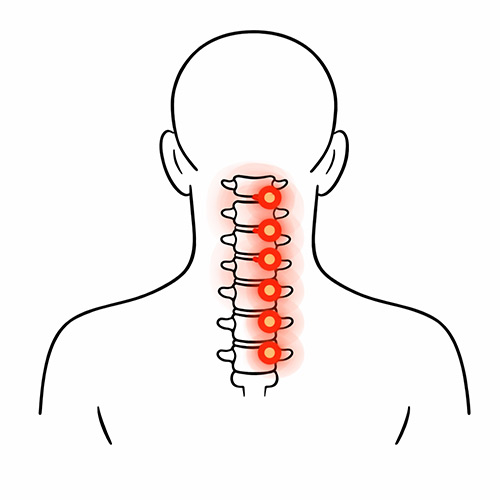
Five features define the pattern, and the travelling arm pain leads.
- A line of pain down one arm. Sharp, burning, or electric pain running from the neck or shoulder blade along the arm, following a consistent path rather than aching everywhere.
- One-sided. One nerve root, one side. Symptoms stay on the territory of the irritated root.
- Arm louder than neck. The neck may be stiff or sore, and the arm usually dominates. Arm symptoms with a quiet neck still fit the pattern.
- Tingling or numbness in specific fingers. Pins and needles or numb patches in particular fingers rather than the whole hand, mapped in the next section.
- Fired by neck positions. Looking up, turning toward the painful side, and coughing or sneezing can shoot the pain down the arm, a tell that points to the nerve root.
One more feature is strange enough to be useful: many people find the arm eases when the hand rests on top of the head. Relief in that position is so characteristic of a neck nerve root that clinicians treat it as a sign in itself.
Which Fingers Tingle: The Territory Map
Each nerve root serves its own fingers, so the tingling maps the problem.
Nerve roots leave the neck in a stack, and each supplies a strip of arm and hand. Tingling toward the thumb and index finger points to one root, the middle finger to another, the ring and little fingers to a third, and weakness follows the same logic: a weakening grip, a drooping wrist, or a tricep that fails on push-ups each implicate their own level.
You do not need to name the root, and your physiotherapist reads the map at assessment, because territory plus examination locates the level. The wider version of this logic, covering every cause of finger numbness from wrist to neck, sits in our guide to numbness and tingling in fingers. The neck-specific rule is the line: symptoms tracking from neck to fingers in a consistent strip belong to a root, and a root pattern deserves a nerve-aware assessment.
How It Differs From Ordinary Neck Pain
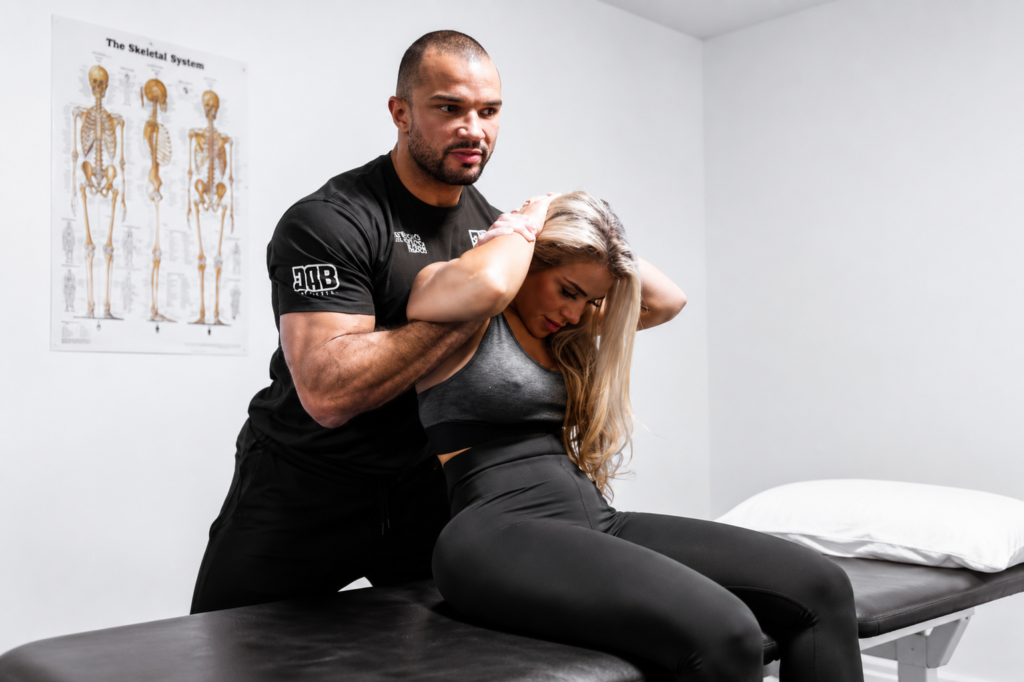
Ordinary neck pain stays local. Radiculopathy travels, and the travelling changes the plan.
Mechanical neck pain, the stiff neck after a bad pillow or a long desk week, sits in the neck and shoulders, moves with position, and settles over days. Radiculopathy behaves differently on every axis: the pain runs a line down the arm, sensory symptoms join it, and the pattern persists beyond the usual stiff-neck arc.
The distinction matters because the plans differ. Ordinary neck pain rewards early movement and time. Nerve-root pain rewards prompt, nerve-aware assessment: confirming the pattern, testing strength and reflexes, and staging a plan that respects an irritated nerve, exactly the pathway our cervical radiculopathy physiotherapy page covers.
Most cervical radiculopathy settles well with conservative care over weeks to months, and the reassurance is real. The thresholds for booking any neck problem, including the nerve-symptom override that points here, sit in our guide to when to see a physio for neck pain.
The Signs That Point To The Spinal Cord Instead
Radiculopathy squeezes one root. A different pattern suggests pressure on the cord itself, and that pattern is urgent.
One nerve root produces one arm’s symptoms. Pressure on the spinal cord inside the neck produces something broader, and the difference is the most important paragraph on this page. Seek urgent medical assessment for pins and needles or clumsiness in both hands, new difficulty with buttons, zips, or handwriting, balance problems or a walk that has become unsteady, changes in bladder or bowel control, or weakness spreading in the arms or legs.
These signs suggest cervical myelopathy, a condition that progresses if untreated, and they need same-day medical review rather than a physiotherapy booking. The distinction is bilateral and below-the-neck: one arm’s line of symptoms fits a root, both hands plus balance or bladder fits the cord. Physiotherapists screen for exactly this at every neck pain assessment and refer onward the same day when it appears.
Note. Some neck and arm symptoms need urgent medical care rather than a physiotherapy booking. Seek same-day medical assessment for pins and needles or clumsiness in both hands, balance problems or an unsteady walk, changes in bladder or bowel control, or weakness spreading in the arms or legs, as these can signal pressure on the spinal cord. Seek urgent review for arm weakness progressing week on week, neck pain after significant injury, or neck pain with fever, unexplained weight loss, or severe unrelenting night pain. Physiotherapists screen for every one of these at first assessment and refer onward the same day when they appear. Contact NHS 111 when unsure.
Frequently Asked Questions
We answer the trapped-nerve questions patients ask most.
What does a trapped nerve in the neck feel like?
A line of sharp, burning, or electric pain running from the neck down one arm, often with tingling or numbness in specific fingers. The arm usually hurts more than the neck. Turning the head, looking up, or coughing can fire the pain down the line.
Why does my arm hurt more than my neck?
The irritated nerve root sits at the neck, and its territory is the arm, so the arm is where the symptoms live. The same logic makes sciatica a leg problem with a spinal source. Arm-dominant pain in a consistent line is part of the classic pattern.
How long does cervical radiculopathy take to go away?
Most cases settle with conservative care over weeks to months, and improvement usually shows within the first six to eight weeks of a proper plan. Persistent or worsening symptoms warrant review and occasionally imaging. Progressive weakness moves the timeline to urgent.
When is a trapped nerve in the neck serious?
When the pattern stops being one arm’s line and becomes both hands, balance trouble, or bladder and bowel changes, which points to the spinal cord and needs same-day medical review. Progressive weakness in the arm, a grip failing week on week, also warrants urgent assessment.
References
- National Institute for Health and Care Excellence. Neck pain and cervical radiculopathy: clinical knowledge summary.
- National Health Service. Pinched nerve: symptoms and treatment.
- Chartered Society of Physiotherapy. Direct access to physiotherapy.
- Health and Care Professions Council. The register of physiotherapists.
