

Neck Pain: Symptoms, Causes, Treatment and When to See a Physio
Neck pain is one of the most common spinal problems and a frequent reason people seek physiotherapy. It has a wide vocabulary: the stiff neck after a bad night, the crick that arrived from nowhere, the pulled muscle from the gym, the ache that spreads into the shoulder, the sharp catch when reversing the car. Each pattern points somewhere slightly different, and understanding yours is the first step towards effective, long-term relief.
Key Takeaways
- Most neck pain is mechanical: a crick or simple strain typically clears within one to two weeks with gentle movement, not rest.
- One-sided neck pain carries no special meaning by side alone; what matters is whether the pain moves with your neck.
- Tingling, numbness or weakness in the arm points to a nerve rather than a muscle, and deserves a nerve-aware assessment.
- A stiff neck with fever, severe headache, light sensitivity or a rash can signal meningitis and is an emergency.
- Lasting change comes from strengthening plus workstation and sleep-setup fixes, not from any single posture correction.
What is Neck Pain?
Neck pain refers to discomfort, stiffness, or sharp pain felt anywhere from the base of the skull down to the top of the shoulders. It can sit in one spot, spread across the whole neck and shoulders, or radiate into the head, shoulder blade, or arm.
In many cases it relates to irritation, strain, or overload of the muscles, joints, discs, or nerves of the cervical spine, and often to several at once. The neck’s job makes it vulnerable: it balances a five-kilogram head all day, in positions modern life holds for hours, which is why assessment looks at how you work, sleep and train as much as at the neck itself.

Main Types of Neck Pain
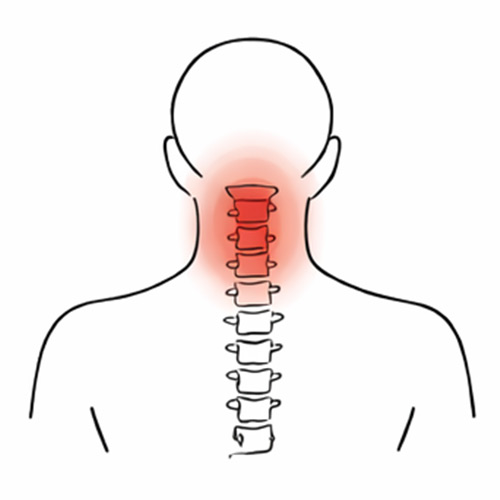
Mechanical Neck Pain
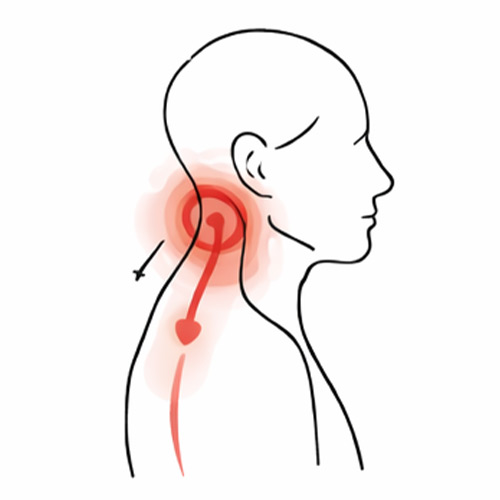
Postural or "Tech Neck" Pain
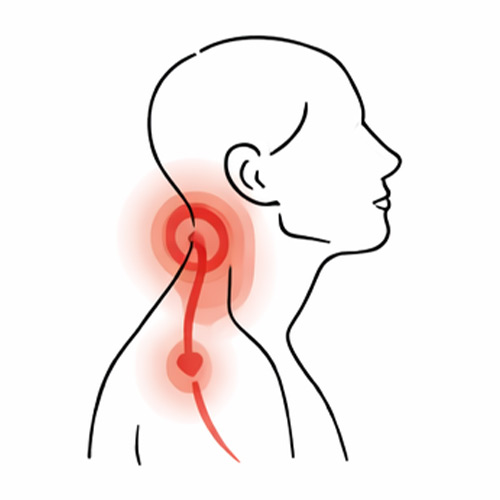
One-Sided Neck Pain
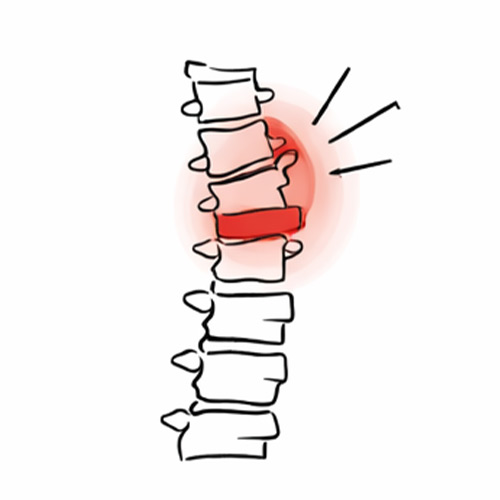
Disc‑Related Neck Pain
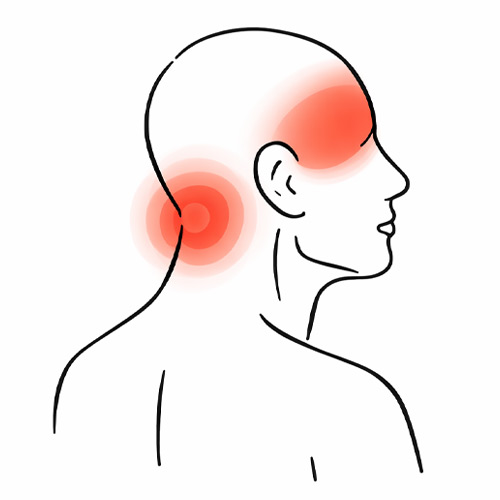
Headache Related to Neck (Cervicogenic Headache)
Headache starting at the base of the skull and referring into the side or front of the head, usually one-sided, and moved by neck position. Neck-driven headaches are genuinely treatable, and our tension headache treatment page covers that pathway.
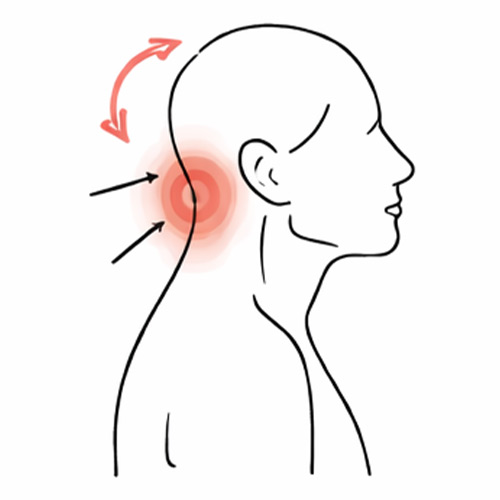
Whiplash‑Associated Neck Pain
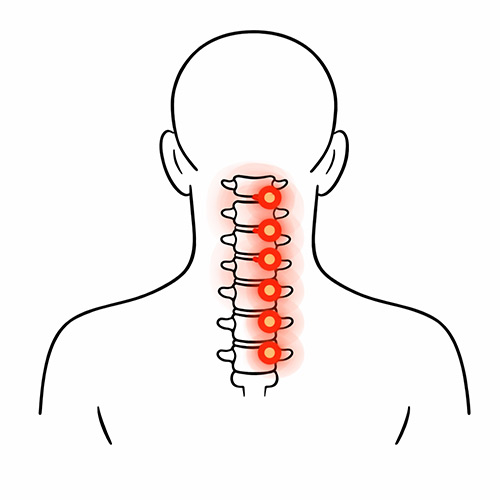
Arthritic or Age‑Related Neck Pain
Common Causes and Contributing Factors
- Poor posture and prolonged desk or device use
- Muscle strain from lifting, gym training, or repetitive tasks, the after-weights neck is one of the most common gym complaints we see
- Sudden movements, awkward sleeping positions, or minor trauma
- Stress and tension increasing muscle guarding around the neck and shoulders
- Reduced activity levels and deconditioning
- Age-related changes such as osteoarthritis or disc degeneration
- Previous neck injuries, such as whiplash, never fully rehabilitated
For many people, there is no single cause; neck pain develops from the cumulative effect of posture, movement habits, load, stress and sleep, which is exactly why treatment looks wider than the sore spot.
Symptoms and What They Mean
- Local aching, stiffness, or tightness in the neck and upper shoulders
- Sharp or catching pain when turning, looking up or down, or reversing the car
- A neck that will not turn one way at all, the classic crick, which is protective locking and usually short-lived
- Pain spreading into the shoulder blade, upper back, or arm
- Headaches starting at the base of the skull and moving into the head
- Pins and needles, numbness, or weakness in the arm or hand
- Heaviness and fatigue in the neck after sitting or working
Two timing patterns are worth naming. Waking with neck pain that eases through the morning points at the night: pillow height, sleeping position, or a joint irritated overnight, and it responds to setup changes more than treatment. Morning stiffness itself is common and mechanical. And occasional brief dizziness with a stiff, sore neck can come from the neck’s position sensors; dizziness that is new, severe, or comes with other symptoms belongs with a doctor first.
Clinical insight from One Body LDN
"One question we ask every desk worker with neck pain: does it hurt on holiday? When the answer is no, and it very often is, the neck itself is usually fine. What we are really treating is a working day the neck cannot yet tolerate, and the plan becomes endurance strengthening and changing how the day loads it, not hunting for damage that is not there."Rebecca Bossick — Chartered Physiotherapist & Clinical Director
How Long Does Neck Pain Last?
Acute neck pain, up to six weeks, often settles within days to a few weeks with the right movement and self-care, and a simple strain or crick usually clears within one to two weeks. Sub-acute pain, six to twelve weeks, needs a more structured plan focused on strength, posture, and mobility.
Persistent pain beyond twelve weeks benefits from a comprehensive approach combining hands-on treatment, targeted exercise, lifestyle changes, and education, and remains very treatable. Getting help early settles symptoms faster and stops a short-term episode from becoming a recurring pattern.
When Neck Pain Needs Urgent Attention (Red Flags)
- Sudden, severe neck pain after a significant fall, collision, or trauma
- A stiff neck with fever, severe headache, sensitivity to light, or a rash, which can signal meningitis and is an emergency
- Ongoing arm or hand weakness, or difficulty gripping objects
- Loss of balance, clumsiness in both hands, or changes in walking pattern
- Problems with bladder or bowel control alongside neck or arm symptoms
- A sudden, severe headache unlike your usual pattern, especially with neck stiffness and feeling unwell
- Fever, night sweats, or unexplained weight loss with neck pain
How Physiotherapists Diagnose Neck Pain
- Take a detailed history of your symptoms, work demands, training, sleep, and previous injuries
- Ask about onset, triggers, relieving factors, and any arm or headache symptoms
- Assess posture, neck range of motion, and how pain changes with specific movements
- Test muscle strength, endurance, and control in the neck, shoulders, and upper back
- Check joint mobility in the neck, upper back, and ribs, and test nerve sensitivity where arm symptoms suggest it
- Screen for serious pathology or nerve compression needing medical review
Physiotherapy Treatment for Neck Pain
Hands‑On Physiotherapy
Posture and Movement Retraining
Exercise Therapy
Motor Control and Stability Work
Rehab Programmes
How Physiotherapy Helps Long Term
The aim is long-term resilience, not just short-term relief: normal neck and upper-back mobility so turning and working feel easy, better muscle balance and endurance around the neck and shoulders, reduced nerve irritation where arm symptoms or headaches are involved, a workstation and sleep setup that stops the daily reloading, a safe return to sport, driving, and training, and the understanding to handle a future flare without fear. Addressing the symptoms and the contributing factors together is what makes results last.
When to See a Physio
- Your neck pain has lasted more than two to three weeks or keeps returning
- Pain is affecting your work, sleep, driving, or training
- You get regular headaches that seem to start from your neck
- You notice pins and needles, numbness, or heaviness in one arm
- A crick or strain has not cleared within two weeks
- You are unsure which exercises are safe, or worried movement might make things worse
The full decision rules, by time, cause, and recurrence, are set out in our guide to when to see a physio for neck pain, our guide to finding a private physio for neck pain covers how to choose and verify a clinician, and if you have a neck problem that predates any insurance policy, our guide to private physiotherapy with a pre-existing neck condition explains the access routes. After a head impact with ongoing symptoms, our concussion treatment page covers that pathway.
Take the Next Step Toward Recovery
Learn more about neck pain
Frequently Asked Questions
Should I use heat or ice on a painful neck?
What is the best sleeping position for neck pain?
What pillow should I buy for neck pain?
Can my neck be "out of alignment"?
Is cracking my neck harmful?
What exercises actually help neck pain?
Is looking at my phone really damaging my neck?
Why is my neck sore after physiotherapy or massage?
Physiotherapy or massage for long-standing neck tension?
Why does my neck pain come and go?
Could my neck pain be something serious, like cancer?
How should I set up my desk to protect my neck?
References
- Blanpied PR, Gross AR, Elliott JM, et al. Neck Pain: Revision 2017. Clinical Practice Guidelines. Journal of Orthopaedic & Sports Physical Therapy. 2017;47(7):A1-A83.
- Cohen SP, Hooten WM. Advances in the diagnosis and management of neck pain. BMJ. 2017;358:j3221.
- Gross A, Kay TM, Paquin JP, et al. Exercises for mechanical neck disorders. Cochrane Database of Systematic Reviews. 2015;(1):CD004250.
- Côté P, Wong JJ, Sutton D, et al. Management of neck pain and associated disorders: a clinical practice guideline from the Ontario Protocol for Traffic Injury Management (OPTIMa) Collaboration. European Spine Journal. 2016;25(7):2000-2022.
- NHS. Neck pain and stiff neck.
- NHS. Meningitis: symptoms.

Reviewed by Rebecca Bossick, Co-Founder & Clinical Director, HCPC-registered Physiotherapist.
Last reviewed: October 2026