

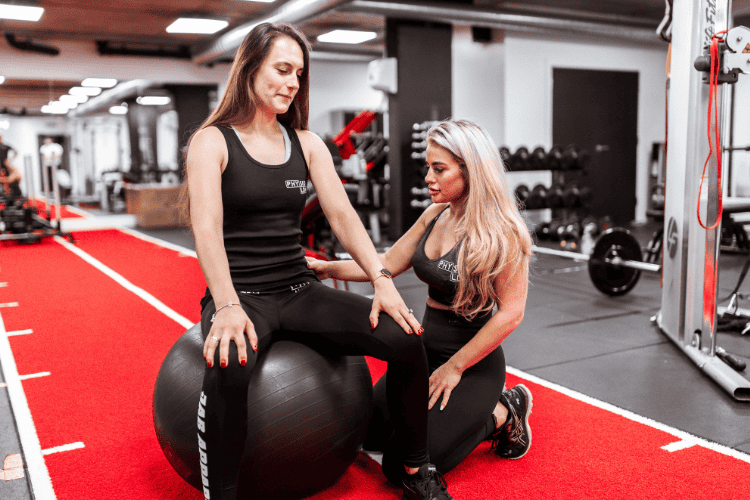

Clothing for physiotherapy follows one rule: the area being treated needs to be seen and moved. Everything else is comfort. Shorts for a knee, a vest for a shoulder, trainers for anything involving walking or running. Nobody expects gym wear, nobody minds work clothes with a change in your bag, and nothing happens without your agreement.
The question sounds small, and patients ask it more than almost any other before a first visit to One Body LDN. Small or not, it deserves a proper answer, because arriving in the right clothing turns a good assessment into a great one. Here is the practical guide, body area by body area, plus what to bring and how dignity works in the treatment room.
Key Takeaways
- Wear clothing that lets the treated area be seen and moved freely.
- Shorts cover most lower-body appointments. A vest or strappy top covers most upper-body ones.
- Changing at the clinic is normal, so bringing kit from work is completely fine.
- You will never be asked to remove more than the assessment needs, and always with consent.
- Bring scan reports, a medication list, and your insurance authorisation number if you have one.
The one rule that decides everything
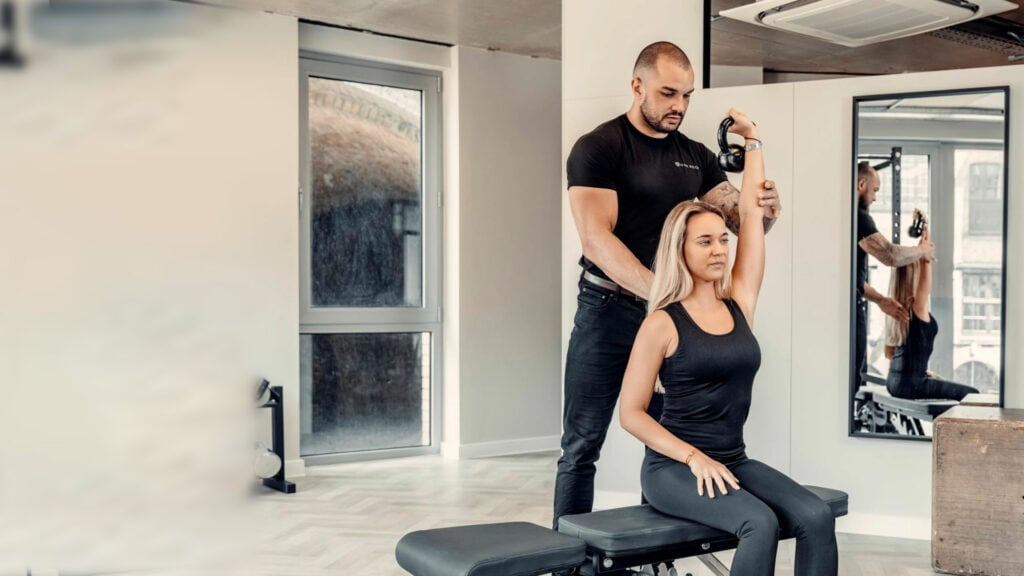
Your physiotherapist needs to see the area move and reach the skin around it.
Assessment works through observation, movement testing, and palpation. Watching a knee bend through jeans hides the kneecap tracking. Testing a shoulder through a jumper hides the shoulder blade, which does half the work.
Feeling for swelling or muscle tone through fabric loses the detail that guides the diagnosis. Skin access also matters for hands-on treatment, and for taping or acupuncture where used. None of that requires special clothing, only clothing that moves or moves aside.
When you book a first physiotherapy assessment, the area under examination decides the outfit, so plan from the problem outward.
What to wear, body area by body area
Match the clothing to the joint, and the appointment runs smoothly.
- Lower back. Loose trousers or leggings with a top you can lift at the back, or shorts. Assessment involves bending, and the spine itself needs to be visible.
- Hip or knee. Shorts, every time. Leggings roll above a knee at a push, but a hip needs shorts to be assessed properly.
- Ankle or foot. Trousers that roll to the knee, or shorts. Bring the trainers you actually walk or run in, because worn tread patterns tell their own story.
- Neck. A low-collared top. Assessment includes the upper back and shoulder blades, so avoid high necks and hoods.
- Shoulder or elbow. A vest or strappy top under whatever you travel in. Sports bras work well for women. The whole shoulder blade needs to be visible from behind.
- Wrist or hand. Almost anything works. Sleeves that roll past the elbow are the only requirement.
- Sports injuries. The kit you play in, where practical. Watching the movement that causes the problem, in the shoes it happens in, is often the fastest diagnostic step available.
Jewellery around the treated area comes off, so leave it home when you can.
Coming straight from work
Work clothes plus a small bag of kit is the standard London pattern.
Most of our weekday patients arrive in office wear, and clinics are built for it. Private treatment rooms double as changing space, and two minutes is all the change takes. Patients booking physiotherapy in Farringdon between meetings typically carry shorts and a vest in a tote and change on arrival.
Suits, dresses, and smart trousers all work as travel wear, and nobody expects you to sit on the Tube in gym kit. Arrive five minutes early, change, and the session starts on time.
Cycling commuters can arrive in lycra and skip the change entirely, which remains the most efficient outfit physiotherapy has ever seen.
Dignity, consent, and undressing
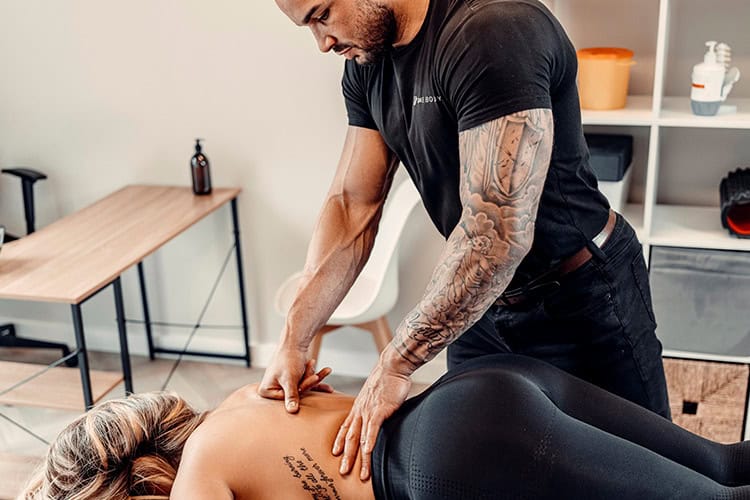
You will never be asked to undress beyond what the assessment needs, and never without explanation.
The standard is straightforward. Your physiotherapist explains what needs to be examined and why before anything is removed, and your agreement comes first. Underwear stays on, always. Draping with towels covers anything not under examination, particularly for backs and hips. Prefer to keep leggings on for a hip assessment? Say so, and the assessment adapts.
Want a chaperone present? Ask, and one is arranged, a right that exists in every UK clinic under HCPC professional standards. Nothing about physiotherapy requires you to trade comfort for care, and a clinician who explains before examining is the professional norm, not a favour.
Patients who feel at ease move more naturally, which makes the assessment itself more accurate.
What to bring besides clothing
Five things in a bag cover every eventuality.
Bring any scan reports or clinic letters you hold, since reading the report beats re-guessing it. Bring a medication list, photographed on your phone is fine. Bring your insurance authorisation number if your treatment is insurer-funded. Bring water, because assessments involve movement. Bring the footwear connected to the problem: work boots for a work injury, running shoes for a running one. Glasses wearers should bring them for any balance or neck assessment.
Nothing else is needed. Booking with our physiotherapy team in London requires no referral paperwork at all, so the bag stays light.
Note. Clothing choices never affect the safety screening that opens every first assessment. Seek urgent GP or A&E care rather than a physiotherapy booking for numbness in the saddle area, new bladder or bowel changes, severe night pain no position relieves, unexplained weight loss with new pain, fever alongside joint pain, or an injury you cannot bear weight through. Your physiotherapist checks for these signs regardless of what you arrive wearing, and refers onward the same day when they appear. Contact NHS 111 when unsure.
Frequently asked questions
We answer the preparation questions patients ask most.
Do I have to undress at a physiotherapy appointment?
Only the treated area needs to be visible, underwear always stays on, and nothing is removed without your consent. Towels cover anything not under examination. Tell your physiotherapist what you are comfortable with and the assessment adapts around it.
Can I wear leggings to physiotherapy?
Yes for backs, necks, and ankles, but bring shorts for hip and knee appointments. Leggings hide kneecap movement and block hip palpation. Thin, stretchy leggings work better than thick ones where they are worn.
What should I wear to physiotherapy for my shoulder?
A vest or strappy top that leaves the whole shoulder and shoulder blade visible. Sports bras work well. Wear it under your travel clothes and remove the outer layer at the clinic, no changing needed.
References
