



Plantar fasciitis announces itself with one signature: sharp heel pain on the first steps after rest. The pattern is recognisable enough that four simple home tests, run in ten minutes, tell most people whether their heel pain fits it. The tests classify; they do not diagnose, and we are precise about that line throughout. Recognition first, tests second, honest limits third.
Around one in ten people experience plantar heel pain in a lifetime, which makes it the most common heel problem our MCSP-registered team at One Body LDN assesses across our London clinics, and the earlier the pattern is confirmed, the shorter the recovery tends to run.
Key Takeaways
- Sharp heel pain on the first steps after rest is the hallmark plantar fasciitis symptom.
- Pain typically sits under the inner front edge of the heel and eases within minutes of moving.
- Four home tests together build a reliable pattern picture in ten minutes.
- Two or more positive tests alongside the symptom pattern point strongly to plantar fasciitis.
- Home tests classify the pattern. A physiotherapy assessment confirms the diagnosis and stages the plan.
Plantar Fasciitis Symptoms
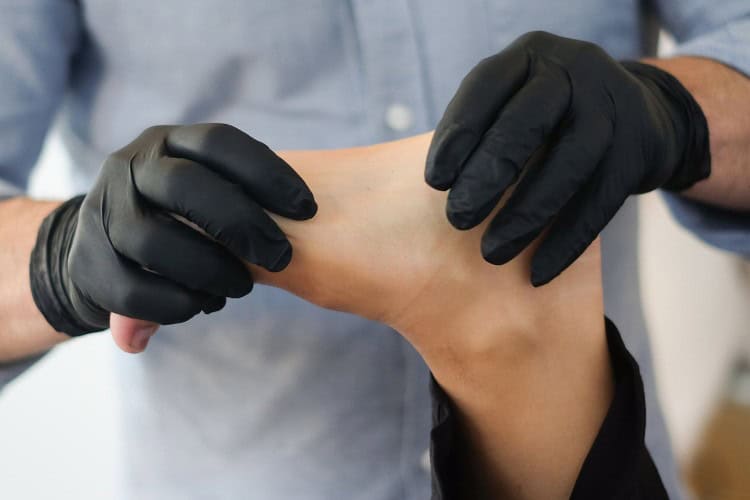
Five symptoms define the plantar fasciitis pattern, and the first one carries the most weight.
- First-step pain. Sharp heel pain on the first steps out of bed, or after sitting thirty minutes or more, easing within a few minutes of walking.
- A precise location. Pain concentrated under the heel, toward its inner front edge, sometimes stretching into the arch.
- Load-related behaviour. Worse after long days standing or walking, after a jump in activity, or in flat unsupportive shoes. The evening ache after busy days often pairs with night-time heel awareness.
- Ease with gentle movement, flare with overload. Short walks often help. Long ones often punish.
- A build-up story. Symptoms usually arrive over weeks, commonly after more standing, more walking, new footwear, or weight change.
Not every symptom appears in every foot. The first two carry the pattern.
The Four Home Tests
Four tests together build the pattern picture. Stop any test that produces sharp, worsening pain.
Test 1: The Palpation Map
How to do it. Sit with the sore foot across your knee. Press firmly with your thumb along the underside of the heel, starting at its inner front edge where the arch begins.
Positive sign. A precise spot of familiar sharp pain at that inner front edge, distinct from a general bruised feeling across the whole heel pad.
Test 2: First-Step Reproduction
How to do it. Nothing to perform. Track your first ten steps after tonight’s sleep and after one thirty-minute sit tomorrow.
Positive sign. Sharp heel pain in those first steps that clearly eases within minutes of moving.
Test 3: The Big Toe Stretch
How to do it. Seated, pull your big toe firmly up toward the shin and hold for ten seconds. Repeat standing with weight through the foot if comfortable.
Positive sign. Your familiar heel or arch pain reproduced as the toe lifts. Lifting the toe tightens the plantar fascia, so reproduction points at the fascia itself.
Test 4: The Heel Raise
How to do it. Stand near a wall for balance. Rise onto the balls of both feet, then lower slowly. Repeat five times, then try five on the sore leg alone if tolerable.
Positive sign. Heel or arch pain during push-off, or a sore-side calf noticeably tighter or weaker than the other. Calf stiffness loads the fascia and commonly rides alongside it.
Reading Your Results
Two or more positive tests, with the symptom pattern, point strongly to plantar fasciitis.
One positive test alone is weak evidence. Two or more, sitting alongside first-step pain and the precise heel location, make plantar fasciitis the leading explanation, and a physiotherapy assessment the sensible next step.
Zero positive tests with ongoing heel pain still warrants assessment, because heel pain has neighbours: pain at the back of the heel behaves differently from pain underneath it, a bruised whole-heel feeling suggests the fat pad, and burning or tingling suggests a nerve source. Separating those neighbours is its own guide, coming next in this series. The test set narrows the field. The examination decides it.
What The Self-Test Cannot Tell You

Home testing classifies a pattern. It cannot confirm a diagnosis or write a plan.
The tests cannot measure how irritable the fascia is, cannot separate fascia pain from a rarer stress reaction in the heel bone, cannot assess the calf, ankle, and loading chain that drove the problem, and cannot stage a recovery. Assessment adds those layers: hands-on examination, strength and movement testing, the load history that explains why this foot and why now, and a plan matched to your irritability rather than a generic sheet.
Persistent foot pain that fails home care deserves that fuller look. Our plantar fasciitis team in London runs exactly this assessment, typically within days through direct access, no referral needed.
When To Book The Assessment
Three triggers turn a positive self-test into a booking.
Duration: heel pain persisting beyond three weeks despite sensible load management has declared itself. Intensity: first-step pain sharp enough to change how you walk deserves assessment now, because compensating spreads problems upward.
Recurrence: a second episode within a year signals an unresolved driver worth finding. Any trigger met, book the assessment. Early, staged treatment shortens the arc, and our foot pain team in London holds same-week slots for new heel pain presentations.
Note. Some heel and foot symptoms need medical review rather than self-testing. Seek urgent GP or A&E care for heel pain after a fall or impact you cannot weight-bear through, a hot swollen heel with fever, sudden colour change in the foot, or new wounds on the foot of anyone with diabetes.
Seek GP review for burning or numbness across both feet, night heel pain unrelated to the day’s load, or heel pain with unexplained weight loss. Physiotherapists screen for every one of these at first assessment and refer onward the same day when they appear. Contact NHS 111 when unsure.
Frequently Asked Questions
We answer the plantar fasciitis questions patients ask most.
What does plantar fasciitis feel like?
A sharp, often stabbing pain under the heel on the first steps after rest, easing within minutes of moving. The pain concentrates at the inner front edge of the heel and worsens after long days on your feet rather than during them.
Can I test for plantar fasciitis at home?
Yes, the four tests above build a reliable pattern picture, and two or more positives alongside first-step pain point strongly to plantar fasciitis. The tests classify rather than diagnose. An assessment confirms the source and stages treatment.
Does plantar fasciitis go away on its own?
Mild cases can settle with sensible load management and supportive footwear over weeks. Pain beyond three weeks, sharp first-step pain, or a repeat episode within a year all point toward assessment, because unguided cases commonly linger and recur.
References
- National Health Service. Plantar fasciitis: symptoms and treatment.
- National Institute for Health and Care Excellence. Plantar fasciitis: clinical knowledge summary.
- Chartered Society of Physiotherapy. Direct access to physiotherapy.
- Health and Care Professions Council. The register of physiotherapists.
