



Finding the right private physiotherapist for neck pain takes one checklist and ten minutes. Neck pain draws a crowded field: physiotherapists, osteopaths, chiropractors, and massage therapists all advertise for it. One of those titles is protected in law and tightly regulated. The others vary.
Verification beats guesswork, so we put the checklist first and the reasoning after it. The neck also carries specific safety considerations that make a proper assessment matter more than with most areas.
Our MCSP-registered team at One Body LDN assesses neck pain daily across our London clinics, and the process below is exactly what we would tell a family member to run before booking anywhere.
Key Takeaways
- Verify HCPC registration first. Physiotherapist is a protected title, and the register takes two minutes to check.
- MCSP after a name confirms chartered status with the professional body.
- A proper neck assessment screens for nerve involvement, not just muscle tightness.
- Be cautious of any clinic that leads with forceful neck manipulation before assessing you.
- Direct access applies. No GP referral is needed to book a private neck pain assessment.
The Five-Minute Verification Checklist
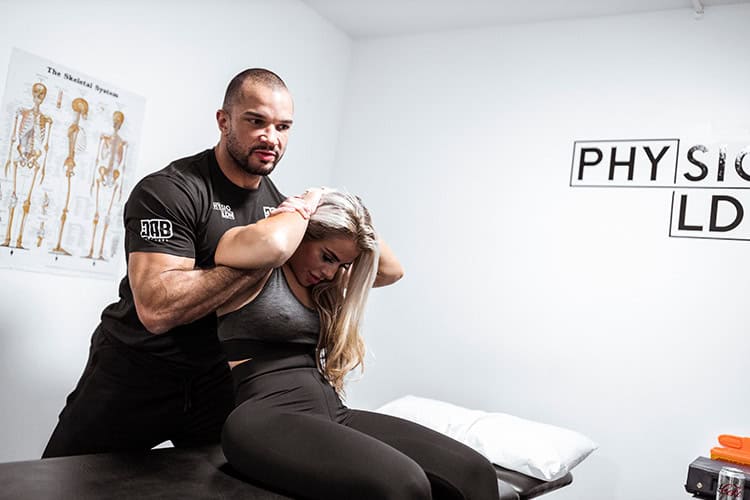
Five checks separate a regulated neck physiotherapist from an unverified title.
Run these before booking, in order.
1. Check The HCPC Register
Search the clinician’s name on the Health and Care Professions Council register. Registration is the legal requirement to practise as a physiotherapist in the UK. No entry, no booking.
2. Look For MCSP Status
MCSP after a name confirms membership of the Chartered Society of Physiotherapy. Clinics display it because it signals chartered standards alongside legal registration.
3. Ask About Neck Caseload
One question by phone: how often does the clinician treat neck pain, including nerve-related neck problems? Weekly neck caseload beats occasional, because the neck needs a clinician comfortable screening for nerve involvement.
4. Confirm Assessment Length
The first appointment should run forty-five minutes minimum. A neck assessment that screens properly cannot be done in fifteen.
5. Confirm The Named Clinician
Ask who you will see, then check that exact name against the register.
What A Proper Neck Assessment Includes
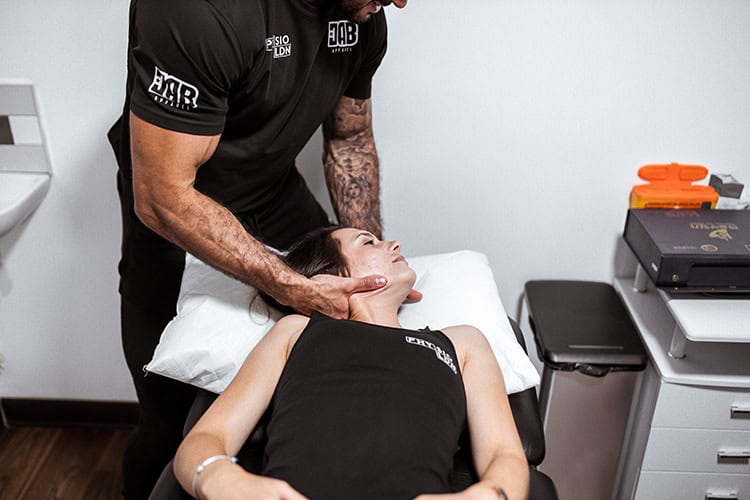
A real neck assessment screens for nerve involvement, not just stiff muscles.
Expect four parts. A structured history: how the pain started, whether it spreads into the arm or hand, any pins and needles, weakness, or changes in coordination, and how it behaves through the day. A physical examination: neck movement, muscle testing, and where relevant, tests of the nerves running into the arm.
A screening step: checking for the small number of neck presentations that need onward referral, which a good clinician does routinely. A working diagnosis and plan: what the problem is and what the first weeks of treatment involve. Neck pain that spreads into the arm, covered by our guide to cervical radiculopathy in London, specifically needs this nerve-aware assessment rather than a massage.
The Manipulation Question
Be cautious of any clinic that leads with forceful neck manipulation before a full assessment.
Neck manipulation, the quick thrust technique some practitioners use, is a topic where caution serves you. A regulated physiotherapist assesses first, and uses gentler mobilisation and exercise as the mainstay, reserving stronger techniques for where they are clearly appropriate and safe.
A clinic that offers forceful neck cracking as its headline treatment, before understanding your problem, has the order wrong. Asking one question sorts it: what does the first session involve? The right answer describes assessment, not a technique sold in advance. Understanding how physiotherapy treats neck pain helps you recognise an assessment-led approach when you hear it.
Questions Worth Asking Before You Book
Four questions by phone reveal more than any website.
How often do you treat neck pain with arm symptoms? Frequency signals genuine caseload. What happens in the first session? The right answer describes history, examination, and screening. Do I need a referral? No for self-pay, since direct access applies.
Who will I see? The named clinician goes back through the register check. A clinic that answers openly, without selling a manipulation package before assessing you, has passed the test checklists cannot run. Our neck pain team in London assesses first and plans after, which is the order every regulated clinic should run.
Note. Some neck symptoms need urgent medical review before any physiotherapy or manual treatment. Seek urgent medical care for neck pain alongside pins and needles or clumsiness in both hands, problems with balance or walking, changes in bladder or bowel control, or weakness spreading in the arms or legs, as these can signal pressure on the spinal cord that needs prompt assessment.
Seek urgent care for neck pain after a significant injury, or with fever and feeling unwell. Physiotherapists screen for all of these at first assessment and refer onward the same day when they appear. Contact NHS 111 when unsure.
Frequently Asked Questions
We answer the booking questions neck pain patients ask most.
Do I need a GP referral to see a private physio for neck pain?
No, private physiotherapy runs on direct access, so you book the assessment yourself. Insurance-funded care sometimes needs pre-authorisation from your insurer first, which is a policy condition rather than a law. Self-pay patients book directly.
Should I see a physio, osteopath, or chiropractor for neck pain?
Physiotherapist is a protected, HCPC-registered title, and a physiotherapy assessment screens for nerve involvement before treating. For neck pain, particularly with arm symptoms, the nerve-aware assessment is what matters most. Choose the route that assesses thoroughly before applying any technique.
Is it safe to have your neck manipulated?
Gentle, assessment-led treatment is the mainstay for neck pain, and forceful manipulation is not necessary for most people. Be cautious of any clinic leading with neck cracking before a full assessment. A proper assessment decides what is appropriate and safe for your neck.
References
