



A clicking hip is usually a noisy hip, not a damaged one. Tendons flick over bony points, joint surfaces shift pressure, and the hip produces clicks, pops, and snaps the way knuckles do, loudly and harmlessly. One rule does nearly all the sorting: painless clicking is mechanics, painful clicking is information. A click with no pain, no catching, and no giving way needs no treatment, however dramatic the sound.
A click that hurts, catches mid-movement, or arrives with the hip feeling untrustworthy has joined a different category and earns a look. The sections below explain where the sounds come from, the two snapping patterns clinicians name, and the small set of clicks worth assessing. The sound is the least important part of every one of them.
Key Takeaways
- Painless hip clicking is common, mechanical, and needs no treatment.
- Most snaps are tendons flicking over bony points, at the front or the side of the hip.
- A snap you can reproduce on demand is usually a tendon. Catching you cannot control points into the joint.
- Painful clicking, catching, or giving way earns an assessment.
- The sound itself never grades the problem. The symptoms travelling with it do.
Is Hip Clicking Normal?
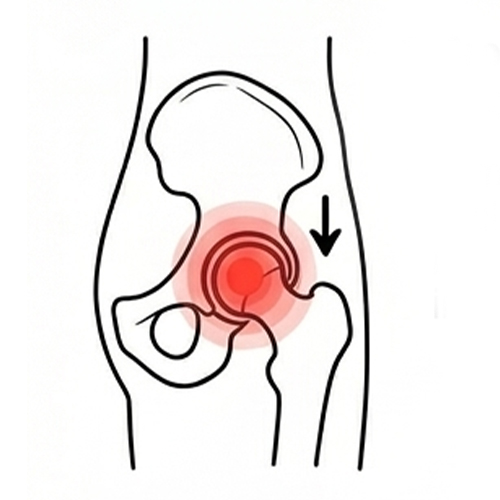
Yes, painless hip clicking is normal mechanics, and the evidence for worry starts with pain, not sound.
Hips are built from tendons crossing bony prominences, a deep ball-and-socket joint, and fluid that shifts pressure as you move, and every one of those produces sound. Clicks on standing from a chair, pops during leg swings in the gym, a snap on certain twists: common, frequently loud, and in a pain-free hip, meaningless.
No study links painless clicking to future damage, and clicking hips do not wear out faster than quiet ones. The volume of a click says nothing about the state of the joint. The two questions that matter sit elsewhere entirely: does the click hurt, and does anything travel with it, catching, stiffness, or the hip giving way. Two nos end the enquiry. Any yes continues to the sections below.
Snapping Hip: The Front Version And The Side Version
Two named snapping patterns cover most repeat-offender hips, and location tells them apart.
Internal Snapping: Deep And In Front
A snap or clunk felt deep at the front of the hip or groin, classically as the hip straightens from a bent position, standing from sitting, the end of a leg raise. The main hip flexor tendon flicks across a bony prominence on its path. Dancers and gym athletes know the sound well, and painless versions need nothing.
External Snapping: Over The Side
A snap at the outer hip, over the bony point you can feel, sometimes visible as a flick under the skin, produced by the long side band of tissue crossing that prominence with bending and straightening. Repeated painful external snapping can irritate the tissues beneath it, the territory our hip bursitis physiotherapy page covers, which is when a harmless sound becomes a load problem worth treating.
Both patterns share the on-demand tell: a snap you can perform deliberately, same movement, same spot, same sound, is a tendon doing its flick. Reproducibility is reassuring.
The Click That Is Not A Tendon
Catching you cannot control, with pain deep in the groin, points into the joint rather than over it.
A different mechanical story sits inside the joint. The catch arrives unpredictably rather than on demand, feels deep in the groin rather than at the surface, and travels with company: pain in deep bending, low chairs, twisting on the leg, sometimes a momentary sense the hip will not cooperate.
That combination, mechanical sensations plus deep groin pain, fits the labral pattern, where the cartilage rim sealing the socket has a tear producing the catching, and the full recognition picture sits in our guide to hip labral tear signs.
The sorting line between the two stories is control. Deliberate snap, surface location, no pain: tendon. Unpredictable catch, deep location, painful company: joint, and a joint story earns an assessment rather than a wait.
When A Clicking Hip Needs An Assessment
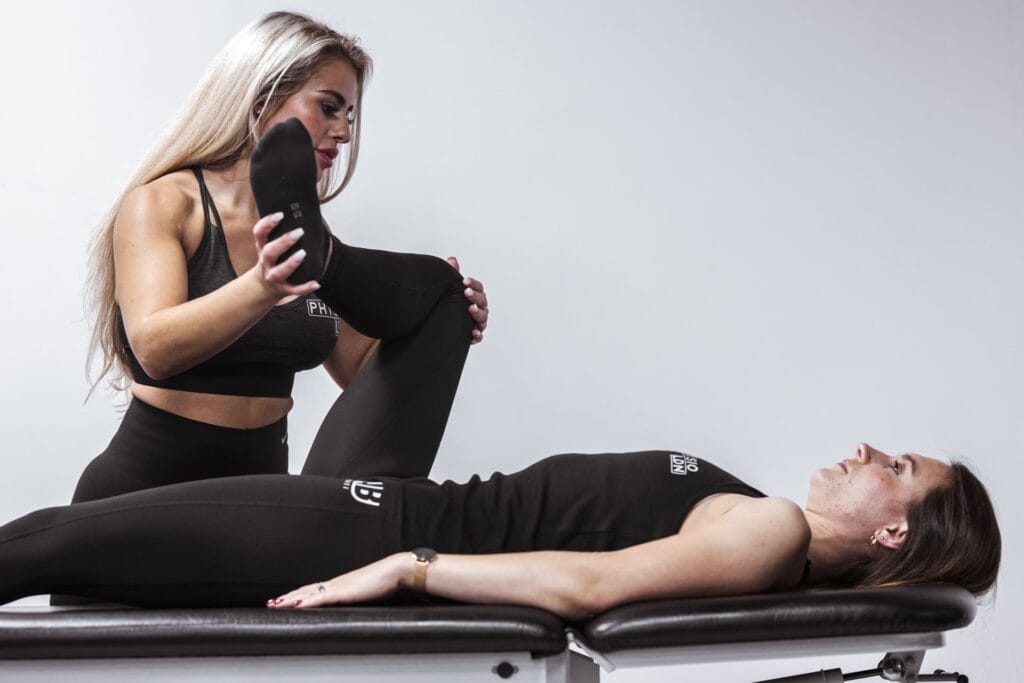
Painful clicks, catching, and clicks with company are the three that book.
The triage runs on what travels with the sound. Book an assessment for clicking that has become painful and stays painful beyond two to three weeks, clicking joined by catching, locking, or the hip giving way, or clicking with deep groin pain, stiffness, or a limp. Book the painless snap too when its repetition is starting to ache, since a tendon flicking hundreds of times a day can gradually irritate what it crosses.
The assessment identifies which structure makes the sound, tests the joint properly, and separates the harmless flick from the hip pain story that needs a plan. Clicking after a fall or injury, or in a child or teenager with pain, routes to review promptly rather than waiting on thresholds.
Our hip pain team in London assesses clicking presentations within days through direct access, no referral needed, and a good share of those appointments end in reassurance, which counts as a result.
Note. Some clicking hips need review sooner than the thresholds above. Seek prompt assessment for clicking with locking, giving way, or after a fall or injury, and for any child or teenager with hip clicking and pain or a limp. Seek urgent care for hip pain with inability to bear weight, a hot swollen hip with fever, or sudden inability to move the leg. Seek GP review for hip pain with unexplained weight loss or severe unrelenting night pain. Physiotherapists screen for all of these at first assessment and refer onward the same day when they appear. Contact NHS 111 when unsure.
Frequently Asked Questions
We answer the clicking questions hip patients ask most.
Why does my hip click when I walk?
Walking swings tendons across bony points thousands of times, and a click on stride is usually one of them flicking as it crosses. Painless clicks on walking need no treatment. A click with pain, catching, or a limp earns an assessment.
Is hip clicking serious?
Painless clicking is not serious, and no evidence links it to future joint damage. The click becomes worth assessing when pain, uncontrolled catching, locking, or giving way travel with it. Symptoms grade the problem. The sound never does.
What is snapping hip syndrome?
Snapping hip syndrome is a tendon flicking audibly over a bony point, deep at the front of the hip or over the outer side. The snap is often reproducible on demand and painless. Treatment enters only when the repeated flick becomes painful or irritates the tissue beneath.
How do I stop my hip from clicking?
Painless clicking needs no fixing, and chasing silence is not a treatment goal. Painful snapping responds to assessment and staged strengthening of the muscles controlling the tendon’s path. The aim is a comfortable hip, and quieter usually follows.
