

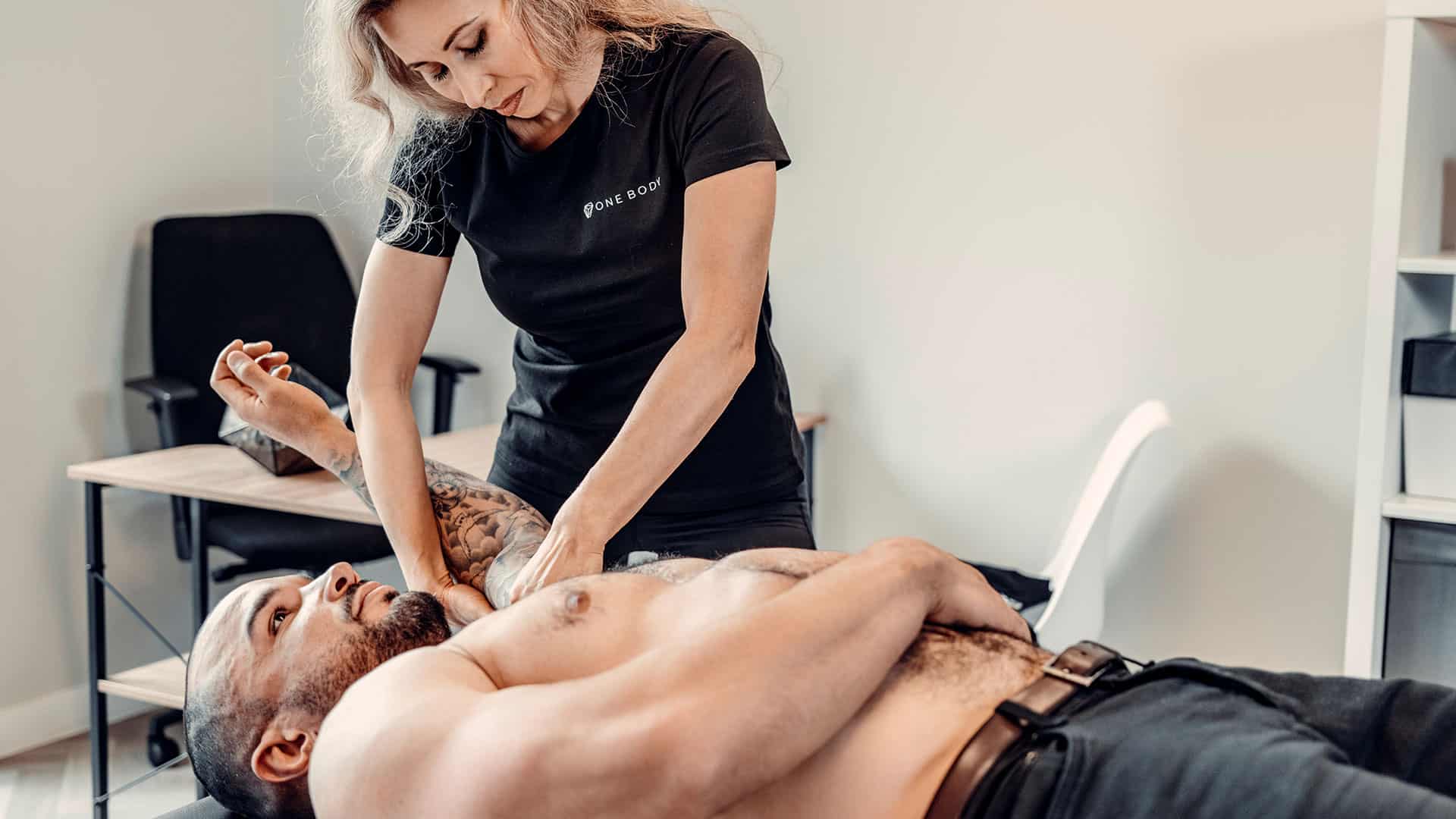

Greater trochanteric pain syndrome, or GTPS, is the clinical term physiotherapists now use for the condition most patients still call hip bursitis. The name changed because the understanding changed. Imaging research over the past two decades showed the pain usually comes from irritated gluteal tendons at the outer hip, not from an inflamed bursa alone.
The distinction matters because tendon problems and bursa problems respond to different treatments. We assess every lateral hip presentation at One Body LDN through the GTPS framework, and this piece explains what the term covers, why it replaced bursitis, and what that means for your recovery.
Key Takeaways
- GTPS is the umbrella term for pain at the greater trochanter on the outer hip.
- Gluteal tendinopathy drives most GTPS cases, with bursitis often secondary.
- Compression of the tendons, not inflammation alone, is the key mechanism.
- Education plus targeted exercise outperforms injection over twelve months in trial evidence.
- Women aged forty to sixty carry roughly three times the risk of men.
What Does Greater Trochanteric Pain Syndrome Include?
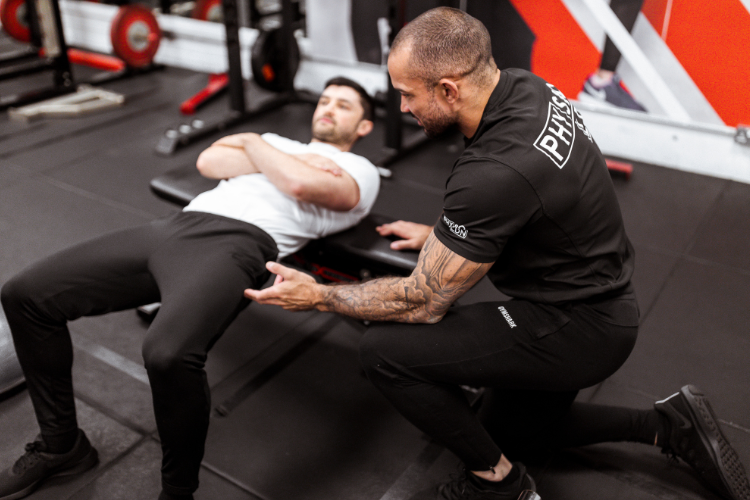
GTPS is an umbrella term for three related sources of outer hip pain.
The greater trochanter is the bony prominence you can feel on the side of your hip. Three structures around it can generate pain. Gluteal tendinopathy affects the gluteus medius and gluteus minimus tendons where they anchor onto the bone, and drives most cases.
Trochanteric bursitis affects the fluid-filled cushion between tendon and bone, and often appears alongside tendon irritation rather than on its own. Iliotibial band pathology at the trochanter contributes through compression across the bony point.
Grouping them under GTPS reflects clinical reality. The three overlap, present with near-identical symptoms, and respond to the same first-line management.
Why Did Hip Bursitis Become GTPS?
Imaging studies showed the bursa is rarely the main problem.
For decades, outer hip pain was labelled trochanteric bursitis and treated with rest and anti-inflammatory approaches aimed at the bursa. Ultrasound and MRI research then showed most patients with lateral hip pain have gluteal tendon changes, and many have no bursal inflammation at all. The bursitis label survived in patient language because the pain location matches.
The treatment logic it implies does not. Anti-inflammatory management aimed at a bursa does little for a tendon that needs progressive loading. Clinicians adopted GTPS to keep the diagnosis honest and the treatment aligned with the actual tissue involved.
Our clinicians assess lateral hip pain presentations with this framework, which is why our management plans centre on tendon load rather than rest alone.
What Causes GTPS Symptoms?
Compression of the gluteal tendons against the trochanter drives GTPS symptoms.
Tendon research identified compression as the aggravating mechanism that separates GTPS from general hip soreness. The gluteal tendons wrap over the trochanter. Positions that pull the thigh across the midline of the body press the tendons against the bone. Side-lying does it, on either side. Crossing your legs does it. Standing with weight hitched onto one hip does it.
Sustained sitting in low chairs does it. Each position adds compressive load to a tendon already struggling with capacity. The practical consequence is that GTPS management starts with reducing compression, not with stretching.
Stretching the outer hip increases compression at the trochanter and commonly makes GTPS worse. Patients who arrive having stretched diligently for months are often the ones most relieved to learn why progress never came.
Who Gets Greater Trochanteric Pain?
Women aged forty to sixty carry around three times the risk of men.
Population research places GTPS among the most common causes of lateral hip pain in mid-life. Prevalence studies report unilateral GTPS in roughly fifteen percent of women over fifty compared with under seven percent of men. Hormonal change around menopause affects tendon structure, and pelvic biomechanics increase gluteal tendon load in women.
Runners, walkers building distance quickly, and people returning to exercise after a break also present frequently. Recent weight change, previous hip or back surgery, and prolonged inactivity add risk.
Onset is usually gradual, which is one reason patients tolerate it for months before seeking a hip pain assessment.
What Is The Best GTPS Treatment?
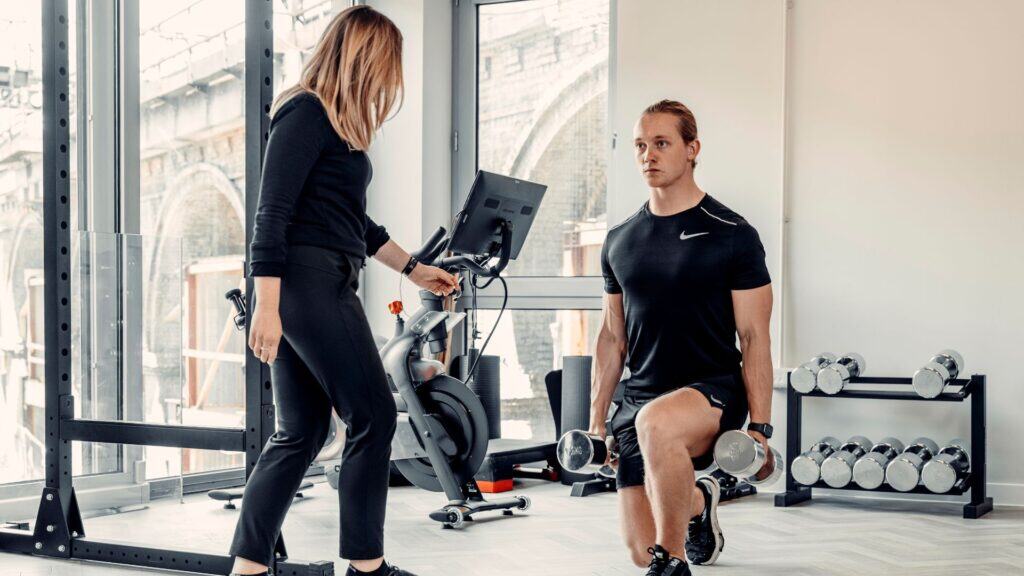
Education plus progressive tendon loading outperforms injection over twelve months.
The LEAP trial, published in the British Medical Journal, compared three approaches in over two hundred patients with gluteal tendinopathy. Education plus exercise achieved better global improvement at eight weeks and at fifty-two weeks than corticosteroid injection or a wait-and-see approach. Injection produced faster short-term relief that faded by the one-year mark.
The finding reshaped first-line care. Treatment now centres on three elements. Compression reduction through position and habit changes protects the tendon day to day. Progressive loading through targeted strengthening rebuilds tendon capacity over weeks. Load management keeps daily activity within what the tendon can currently tolerate while capacity rebuilds.
Passive approaches alone, including rest, massage, and injection without rehabilitation, show poorer long-term outcomes across the evidence base.
Our physiotherapists build GTPS programmes on this evidence, structured across four to eight sessions for most presentations at our London clinics.
GTPS Frequently Asked Questions
We answer the questions patients ask most about GTPS.
Is GTPS the same as hip bursitis?
GTPS includes hip bursitis but covers more. Bursitis describes one structure. GTPS covers the gluteal tendons, the bursa, and IT band involvement at the trochanter together, because they overlap in most real presentations and respond to the same management.
How long does GTPS take to recover?
Most GTPS presentations improve meaningfully within eight to twelve weeks of structured management. Tendon capacity rebuilds gradually. Full recovery for longstanding cases can take six to nine months. Early assessment shortens the course because compression habits get corrected before the tendon deteriorates further.
Should I stretch my hip if I have GTPS?
No, stretching the outer hip typically worsens GTPS. Stretches that pull the thigh across the body compress the gluteal tendons against the trochanter. Strengthening within a managed load range is the evidence-supported route. A physiotherapist can show you which positions to avoid and which loading exercises fit your current capacity.
Note. Some lateral hip pain needs medical review before physiotherapy. Seek same-day assessment for hip pain after a fall in adults over sixty, hip pain with fever or feeling unwell, sudden severe pain with inability to weight-bear, or progressive night pain that no position relieves.
Patients on long-term steroids or with a history of cancer should see their GP about any new persistent hip pain. Physiotherapy is first-line for GTPS, but red flags always come first.
References
- Grimaldi A, Fearon A. Gluteal tendinopathy: integrating pathomechanics and clinical features in its management.
- Mellor R, et al. Education plus exercise versus corticosteroid injection use versus a wait-and-see approach on global outcome and pain from gluteal tendinopathy (LEAP trial). BMJ.
- Segal NA, et al. Greater trochanteric pain syndrome: epidemiology and associated factors.
- Speers CJ, Bhogal GS. Greater trochanteric pain syndrome: a review of diagnosis and management in general practice. British Journal of General Practice.
- National Health Service. Hip pain overview.
