

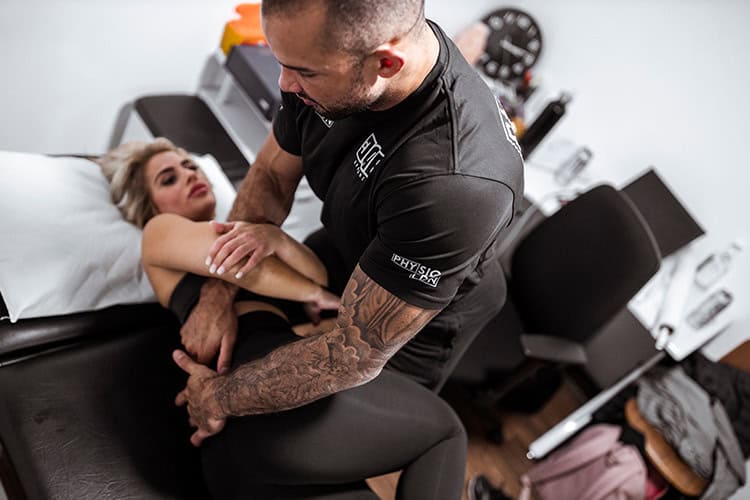

Same-day physiotherapy is a real option in London, not a marketing line. Wake up with a locked neck, pull a calf mid-run, or feel a back go while lifting, and an HCPC-registered physiotherapist can assess you before the evening. Private direct access makes the speed possible: no referral, no queue, one booking. Speed matters clinically, not just for comfort.
What you do in the first seventy-two hours after a muscle or joint injury shapes the weeks that follow. We wrote this piece to explain what a same-day appointment involves, why early assessment changes recovery, and, honestly, when same-day physiotherapy is the wrong door and A&E is the right one.
Our team at One Body LDN holds same-day and next-day slots across our London clinics for exactly these situations.
Key Takeaways
- Same-day and next-day physiotherapy appointments are genuinely available across London through private direct access.
- Early assessment within seventy-two hours of injury supports faster, simpler recovery.
- A same-day appointment delivers a full assessment, first treatment, and a plan, not a quick look.
- Same-day physiotherapy suits acute muscle, joint, and movement problems without red flags.
- Suspected fractures, injuries with deformity, and red-flag symptoms belong in urgent medical care, not a physio clinic.
Why speed matters after an injury

The first seventy-two hours after a musculoskeletal injury set the direction of recovery.
Soft tissue responds to what happens immediately after injury. Early, guided loading maintains strength and range while the tissue settles. Complete rest beyond the first day or two lets muscles decondition and joints stiffen, and protective movement habits form fast.
Modern acute-injury guidance has moved decisively away from prolonged rest toward early assessment and progressive activity, because the evidence links earlier physiotherapy contact with fewer total sessions and faster return to work and sport. Fear is the other early variable.
People who understand their injury in week one move more confidently than people who spent a month guessing. A same-day assessment replaces guessing with a plan on day one.
What a same-day appointment actually covers
A same-day slot delivers the complete first assessment, not a shortened version of one.
The appointment runs the same forty-five minutes to an hour as any first session. Your physiotherapist takes a full history of the injury and your health, screens for signs that need medical review instead, examines movement, strength, and the injured area, and reaches a working diagnosis.
Treatment starts in the same visit where appropriate: hands-on work to settle symptoms, first-stage exercises, load guidance for the coming days, and honest advice on work, sport, and sleep positions. You leave with a plan, not a leaflet.
Understanding how physiotherapy works across a full course helps here: the first session is the foundation the rest of the programme builds on, so getting it early compounds.
How fast is realistic in London
Same-day assessment is realistic on most weekdays, and next-day access is near guaranteed.
Private direct access removes every step that creates waiting. You book a slot the same way you would book anything else, and because no GP referral is needed for physiotherapy, the gap between deciding and being assessed is measured in hours.
Across our London clinics, morning enquiries are usually assessed the same afternoon, and afternoon enquiries by the next morning. Patients in east and central London often find the quickest route is booking physiotherapy in Shoreditch directly online. Acute problems get priority in scheduling because the clinical value of early contact is highest in the first days.
The NHS route serves the same injuries well, but its community queues run weeks to months, which places the speed decision squarely with you.
Injuries that suit same-day physiotherapy
Acute muscle, joint, and movement problems without red flags are the right fit for urgent physiotherapy.
The presentations we see most in same-day slots:
- Acute back or neck episodes. Woke unable to turn the head, or a back that seized bending or lifting.
- Muscle strains. Calf, hamstring, or thigh pulls during running, football, or the gym.
- Ligament sprains. A rolled ankle or twisted knee that swells but takes some weight.
- Sudden flare-ups. A long-standing shoulder, hip, or knee problem that sharply worsens.
- Pre-event problems. A niggle days before a race, match, or heavy work commitment that needs assessment and a decision.
Every one of these benefits from early diagnosis, load guidance, and reassurance grounded in an examination rather than a search engine.
When same-day physiotherapy is the wrong door
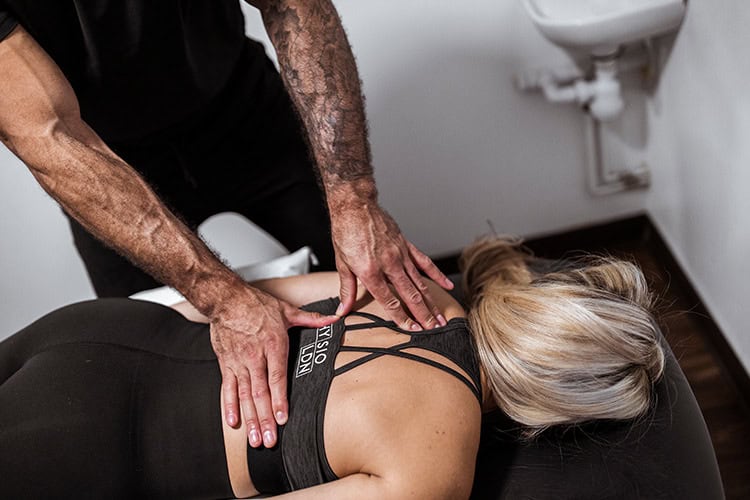
Some injuries need a hospital before any physiotherapist.
Honesty serves you better than a booking here. Go to urgent care or A&E first for: an injury with visible deformity or a suspected fracture, inability to put any weight through a leg after trauma, a joint that dislocated or gave way with a loud pop and immediate swelling, a head injury with confusion or vomiting, or a wound needing closure.
Seek same-day medical review rather than physiotherapy for numbness in the saddle area, new bladder or bowel changes, fever alongside joint pain, or severe unrelenting night pain. Physiotherapists screen for all of these at assessment and redirect you immediately when they appear, but if the signs are already obvious, start at the hospital. Physiotherapy picks up the rehabilitation from there, often within days of discharge.
Note. Same-day physiotherapy suits acute musculoskeletal problems without red flags. Seek urgent hospital care instead for suspected fractures, visible deformity, total inability to bear weight, dislocations, or head injuries, and seek same-day medical review for saddle numbness, new bladder or bowel changes, fever with joint pain, unexplained weight loss with new pain, or severe night pain no position relieves.
Physiotherapy is first-line for most muscle and joint injuries, but red flags always come first. Contact NHS 111 when unsure which door is right.
Frequently asked questions
We answer the urgent-access questions Londoners ask most.
Can I really get a physiotherapy appointment today in London?
Yes, same-day assessment is genuinely available through private direct access on most weekdays. Book by phone or online in the morning and assessment typically happens the same afternoon. Our private physiotherapy team in London holds daily slots for acute problems across our clinics.
Should I wait a few days to see if the pain settles first?
Mild aches from unaccustomed activity can settle with two or three days of relative rest, but injuries with swelling, sharp pain, or movement loss benefit from assessment inside seventy-two hours. Early guidance prevents the deconditioning and guarding habits that lengthen recovery. Waiting rarely saves sessions, and it often adds them.
Is a same-day appointment more expensive than a normal one?
No, a same-day assessment is priced identically to any standard initial assessment. Urgency changes the scheduling priority, not the fee structure. Costs for physiotherapy in London are covered in our separate pricing guide.
References
- Chartered Society of Physiotherapy. Direct access and self-referral to physiotherapy.
- British Journal of Sports Medicine. Soft-tissue injury management: from PEACE and LOVE principles.
- National Institute for Health and Care Excellence. Musculoskeletal conditions: early management guidance.
- National Health Service. When to go to A&E and urgent treatment centres.
- Health and Care Professions Council. The register of physiotherapists.
