

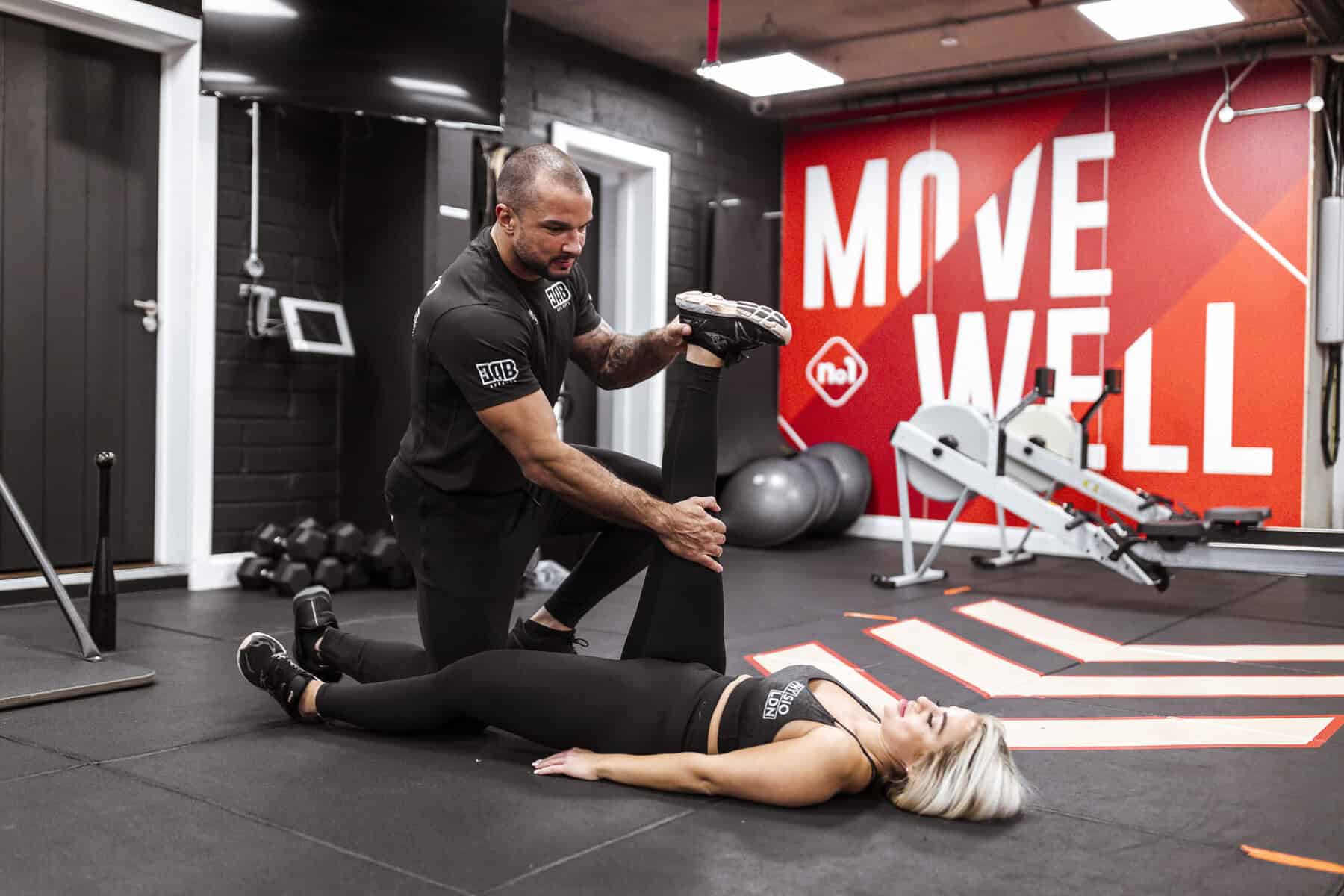

Working Londoners fail at physiotherapy for one reason more than any other: the course never fits the week. The treatment works, the motivation exists, and the diary still wins. A typical course means four to eight appointments over several weeks, and for someone commuting into zone one with a calendar full of meetings, each appointment is a logistics problem before it is a health decision.
The fix is structural, not motivational. Choose the right clinic location relative to your commute, match the appointment slot to your working pattern, and use direct access to remove every unnecessary step.
We wrote this piece as the practical playbook, because our clinics at One Body LDN sit where London works, and the patterns below are how our patients make treatment stick.
Key Takeaways
- Clinic location relative to your commute decides whether a course of physiotherapy survives your diary.
- Near-station clinics beat near-home clinics for most commuters, because the appointment joins an existing journey.
- Early, lunchtime, and evening slots each suit a different working pattern.
- Direct access means booking takes one step, with no GP referral or paperwork.
- Desk-related aches deserve assessment like any other problem, and treatment fits around the job that caused them.
The real barrier is logistics, not willpower
Courses of physiotherapy fail in the diary before they fail in the clinic.
Attendance is the variable that predicts outcomes, and attendance in London is a geography problem. An appointment requiring a forty-minute detour gets postponed the first busy week, and postponed appointments stretch a six-week course into a three-month one.
Momentum drops, exercises drift, and the problem that felt worth treating in week one feels tolerable enough to ignore by week eight, unresolved but familiar. Compare that with an appointment sitting directly on the commute: no detour, no negotiation, no decision fatigue.
The session happens because the journey was happening anyway. Getting the structure right at booking matters more than any amount of week-three discipline, which is why location strategy comes before anything else in this playbook.
Choosing the clinic location: station, office, or home

Near-station clinics win for most commuters, and the exceptions are predictable.
Three location strategies exist, each with a best-fit user. Near your rail terminal or interchange suits most commuters best: the clinic joins the journey you already make, morning or evening, and stays reachable even when you change offices. Commuters through the Kings Cross and St Pancras interchange, for example, can book physiotherapy at Kings Cross and fold the session into either end of the working day.
Near your office suits lunchtime treatment and anyone whose diary only breathes midday, with the walk-over-and-back pattern covered below. Near home suits hybrid workers on their office-free days and anyone whose problem makes commuting with kit unappealing.
The wrong answer is choosing on brand or price alone and ignoring geography, because the clinic you cannot conveniently reach delivers no treatment at all.
Matching the slot to the working pattern
Every London working pattern has a natural appointment slot.
The full scheduling logic, including how to hold a recurring slot, lives in our guide to evening and weekend physiotherapy in London. The commuter-specific matching runs like this. Fixed office days with an early start suit 7am appointments at the station clinic, arriving at the desk on time with the session done. Meeting-heavy days suit lunchtime follow-ups near the office, since follow-up sessions run around thirty minutes and fit a lunch hour with margin.
Flexible-finish days suit the 5.30pm to 7pm band at the terminal on the way home. Hybrid weeks suit anchoring the appointment to the same office day each week, which turns the session into part of that day’s routine rather than a separate commitment.
Shift patterns and compressed weeks suit Saturday clinics. One pattern to avoid: scattering appointments across different times and locations week to week, which reintroduces the decision fatigue the structure exists to remove.
What desk professionals bring through the door
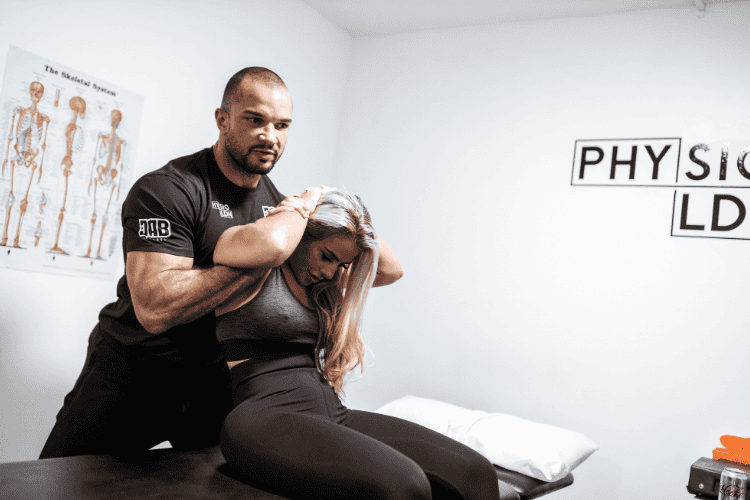
Desk-related problems are assessed and treated like any other, and the working context shapes the plan.
Long sitting, screen work, and laptop-on-lap habits generate a familiar caseload: necks that stiffen through the afternoon, backs that complain on the commute home, wrists and forearms that ache after heavy keyboard weeks. Each of those conditions has its own dedicated treatment guidance across our site, and the clinical detail lives there.
What belongs here is the service point: assessment works identically whatever the cause, and a working diagnosis leads to a plan built around your actual week.
Expect physiotherapy for a desk-related problem to include exercises that fit an office day, honest advice about your setup and movement habits, and load guidance that respects the fact you cannot stop working while you recover. The job caused the problem and the job continues, so the plan accounts for both.
Making the whole course frictionless
Direct access plus three booking habits removes every avoidable step.
Booking needs no GP referral, no letter, and no approval, so the gap between deciding and being assessed is one online booking. From there, three habits keep the course frictionless. Book the recurring slot for the whole course at the first appointment, holding your time for four to six weeks ahead.
Keep a small kit bag at the office or in your commute bag, shorts and a vest, so any session works without planning. Tell your physiotherapist your real diary constraints at the first assessment, because plans built on honest availability succeed and plans built on optimistic availability slip.
Our physiotherapy team across London takes online bookings around the clock, and insured patients can run authorisation in parallel with the first booking.
Note. Desk-related aches usually build gradually, and gradual onset is exactly what physiotherapy assesses well. Seek urgent GP or A&E review instead for numbness in the saddle area, new bladder or bowel changes, severe night pain no position relieves, unexplained weight loss with new pain, fever alongside joint pain, or sudden severe symptoms after an injury. Physiotherapists screen every new patient for these signs at the first assessment and refer onward the same day when they appear. Contact NHS 111 when unsure.
Frequently asked questions
We answer the questions working Londoners ask most.
Should I choose a physiotherapy clinic near home or near work?
Near your commute route beats both for most people, ideally at a station you already pass through. Near the office wins for lunchtime treatment, and near home wins for hybrid workers on remote days. Choose the location that removes a journey rather than adding one.
Can physiotherapy fit around a full-time office job?
Yes, early morning, lunchtime, and evening slots exist precisely for full-time workers, and follow-up sessions fit inside a lunch hour. Booking a recurring slot for the whole course at your first visit protects the time before diaries fill.
Do I need to take time off work for physiotherapy?
No, a course can run entirely outside working hours using 7am, lunchtime, evening, and Saturday appointments. Most of our working patients complete full courses without a single hour of leave.
References
- Chartered Society of Physiotherapy. Direct access and self-referral to physiotherapy.
- National Institute for Health and Care Excellence. Musculoskeletal conditions: self-management and exercise guidance.
- National Health Service. Physiotherapy: how to access it.
- Health and Care Professions Council. The register of physiotherapists.
