

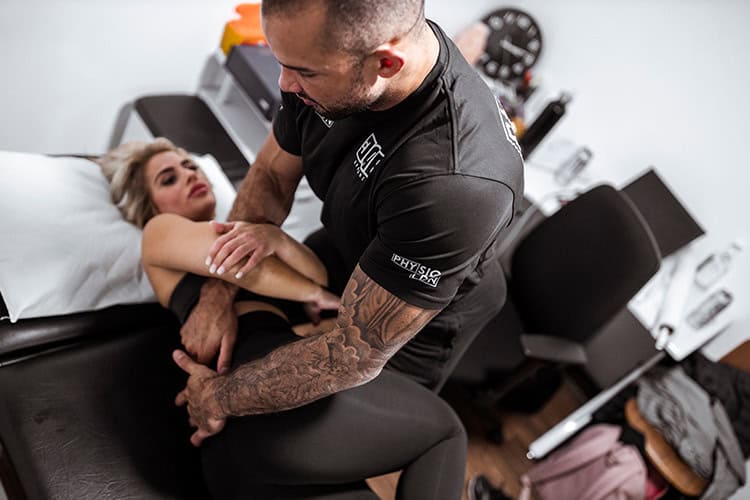

Most lower back pain has a mechanical cause, meaning the muscles, ligaments, discs, or joints in the lumbar spine are loaded in a way they cannot handle. The symptoms tell a physio almost everything they need to know about what is going on. Sharp pain when bending forward suggests one pattern, dull stiffness after sitting suggests another, and radiating pain down the leg suggests a third.
We treat lower back pain across our One Body LDN clinics in the City of London, and the patients who recover fastest are the ones who understood what their symptoms meant and acted early.
This guide explains the four most common mechanical causes of lower back pain, the symptom patterns that point to each one, when to see a physio, and when lower back pain needs urgent medical attention.
Key Takeaways
- Most lower back pain is mechanical and falls into one of four patterns: muscle strain, disc-related, facet joint, or sacroiliac joint
- Pain location, pain triggers, and pain quality usually point to which structure is involved
- Symptoms that radiate down the leg, last past two weeks, or recur regularly need physio assessment
- A small group of red flag symptoms means A&E today, not a physio appointment
- Most mechanical lower back pain resolves with physiotherapy without needing imaging, injections, or surgery
Most Lower Back Pain Has a Mechanical Cause

Mechanical lower back pain accounts for around 90% of all cases, meaning the problem lies in how the muscles, ligaments, discs, or joints in the lumbar spine are moving and loading rather than in any underlying disease.
The lumbar spine carries most of your body weight and absorbs most of the stress from daily movement, which is why it is the most common site of back pain in adults.
The Four Mechanical Patterns That Cause Lower Back Pain
Four mechanical patterns account for almost all cases of lower back pain. Identifying which pattern matches your symptoms helps a physio target the right treatment from the first session.
Muscle and Ligament Strain
Muscle and ligament strain is the most common cause of acute lower back pain. The pain feels localised, worsens with movement, and eases with rest. Common triggers include lifting something heavy, twisting suddenly, holding a poor posture for hours, or doing repetitive movements the back is not conditioned for. Recovery usually takes two to six weeks with gentle movement.
Disc-Related Lower Back Pain
Disc-related pain happens when an intervertebral disc bulges or herniates and puts pressure on a nearby nerve. The pain often worsens when bending forward and frequently radiates down the leg as sciatica treatment in London covers in more detail. Sitting tends to make it worse; walking often makes it better.
Facet Joint Pain
Facet joints are small joints at the back of each vertebra. Facet joint pain feels one-sided and worsens with extension, which is bending backwards or arching the spine. Triggers include arthritis, repetitive backward bending, and age-related wear. The pain is sharper and more localised than disc pain.
Sacroiliac Joint Pain
The sacroiliac joints connect the spine to the pelvis. Pain in this joint often sits low and to one side of the lower back and is regularly mistaken for ordinary lower back pain. Pregnancy, asymmetric loading, and single-leg activities are common triggers.
Our sacroiliac joint pain treatment in London page explains how SIJ patterns present.
Lower Back Pain Symptoms and What They Tell a Physio
Symptoms of lower back pain are diagnostic clues rather than the problem itself, with each pattern pointing toward a specific mechanical cause.
Localised Aching Pain
A dull ache confined to the lower back usually points to muscle or ligament strain. The pain stays in one area, eases with rest, and worsens when the muscle is reloaded. A physio looks for movement restriction, muscle tightness, and postural compensation.
Sharp Pain When Bending Forward
Sharp pain when bending forward usually points to disc involvement. The disc is loaded most heavily in flexion, and a damaged disc protests the loading direction it dislikes most. A physio looks for directional preference and signs of neural tension.
Pain When Bending Backwards
Pain when arching backwards usually points to facet joint involvement. The facets are compressed in extension, and a worn or irritated facet joint sends a clear signal. A physio looks for end-range tenderness and asymmetric loading habits.
Pain Radiating Down the Leg
Pain that travels from the lower back into the buttock, thigh, or calf usually points to nerve compression. This pattern is commonly called sciatica when the sciatic nerve is involved. A physio looks for the exact distribution of the radiating pain, tests strength and reflexes, and identifies where the nerve is being compressed.
Pain That Eases When Walking and Worsens When Sitting
Pain that improves with walking and worsens with sitting usually points to disc involvement or sustained postural loading. The pattern is common in office workers and anyone who sits for long stretches.
Lower Back Pain That Is Not Coming From Your Back
A small group of lower back pain cases are not mechanical at all. The pain is referred from organs in the abdomen, pelvis, or kidneys. The key distinguishing feature is that non-mechanical pain does not change with position or movement.
Kidney-related lower back pain tends to feel deep, one-sided, and often comes with urinary symptoms or fever. Pelvic causes include gynaecological conditions in women and prostate-related issues in men. These patterns need a GP rather than a physio.
When Lower Back Pain Needs Urgent Medical Attention
A small number of lower back pain symptoms move the situation from a physio appointment to a same-day medical visit. Loss of bladder or bowel control, numbness in the saddle area, sudden severe leg weakness, or back pain following significant trauma all mean A&E today, not a physio appointment.
Unexplained fever, weight loss, or new back pain in anyone over 50 with a history of cancer warrants a GP visit this week.
Our guide on back pain warning signs and when to see a physio covers the full red flag list.
When to See a Physio for Lower Back Pain

Lower back pain that has not started improving by the end of week two is the standard threshold for booking a physio assessment. Earlier triggers include pain that affects your work or sleep, recurring episodes every few weeks, radiating pain into the leg, and pain after a clear mechanical event such as lifting or twisting.
Lower back pain responds faster to early intervention than almost any other musculoskeletal complaint. Chronic patterns set in quickly in the lumbar spine, and waiting often turns a two-week problem into a six-month one. Direct access to private physiotherapy in the UK means no GP referral is required.
Our lower back pain physio in London page covers the full assessment and treatment process.
How Physiotherapy Treats Lower Back Pain
Physiotherapy treats lower back pain through three combined elements: hands-on treatment to ease the acute pattern, targeted exercise to restore function, and movement education to prevent recurrence.
A lower back pain physio assessment takes between 45 and 60 minutes. We look at how your spine moves, where the pain pattern loads, and whether the cause is local to the lumbar spine or is being driven from the hips, pelvis, or thoracic spine.
Rebecca Bossick, our founder and lead physiotherapist, has treated patients with lower back pain who waited months before booking, assuming the pain would settle on its own. The mechanical pattern was usually clear in the first 20 minutes of assessment, and the recovery was faster than they expected.
Frequently Asked Questions About Lower Back Pain
What causes lower back pain in females?
Lower back pain in women is most often caused by mechanical strain, disc involvement, pregnancy-related changes, or sacroiliac joint loading patterns. Hormonal cycles can also influence symptom intensity.
What causes lower back pain in males?
Lower back pain in men is most often caused by lifting injuries, disc-related strain, prolonged sitting, and sport-related loading patterns. The underlying mechanical patterns are the same as in women.
How do I know if my lower back pain is kidney-related?
Kidney-related lower back pain is one-sided, deep, does not change with movement, and often comes with urinary symptoms or fever. Mechanical lower back pain changes with position and activity.
How long does lower back pain take to heal?
Most mechanical lower back pain eases within two to six weeks with normal movement and gentle activity. Disc-related and nerve-involved pain typically takes longer.
What should you not do with lower back pain?
Avoid prolonged bed rest, heavy lifting through poor mechanics, and sitting for long uninterrupted periods. Gentle movement supports recovery; complete inactivity slows it.
Can a physio fix lower back pain without imaging?
A physiotherapist can assess and treat most mechanical lower back pain without imaging, which is rarely required in the first two months unless red flag symptoms are present.
Book a Lower Back Pain Physio Assessment in London
We treat lower back pain across our One Body LDN clinics in the City of London, including our Bank and Moorgate locations. The difference between a two-week recovery and a six-month problem almost always comes down to how early the patient came in.
Lower back pain that has lasted more than two weeks, is recurring, or is affecting your work or sleep is a clear signal for a physio assessment.
Related resources
- Desk work and lower back pain often connect through sustained posture and loading patterns. Our spokes on office worker back pain, working from home back pain, and standing desk back pain all cover specific desk-related triggers.
