



Pain going down stairs, but not up, is one of the most specific signals in knee pain. It points, more often than not, to the kneecap joint at the front of the knee. Descending loads that joint far harder than climbing does, so the stairs become a daily test that the knee keeps failing. The pattern is common, treatable, and frequently misread as general wear.
We explain what downstairs pain means first, then why it happens and what to do. Our MCSP-registered team at One Body LDN assesses front-of-knee pain across our London clinics, and the stairs pattern is one of the clearest starting clues we get.
Key Takeaways
- Knee pain going down stairs usually points to the kneecap joint at the front of the knee.
- Descending loads the kneecap far more than climbing, which is why down hurts more than up.
- The pattern often comes with pain after long sitting and on squatting or kneeling.
- It responds well to targeted strengthening, which physiotherapy leads.
- Persistent or swelling-related stairs pain warrants assessment, covered below.
What Downstairs Knee Pain Points To
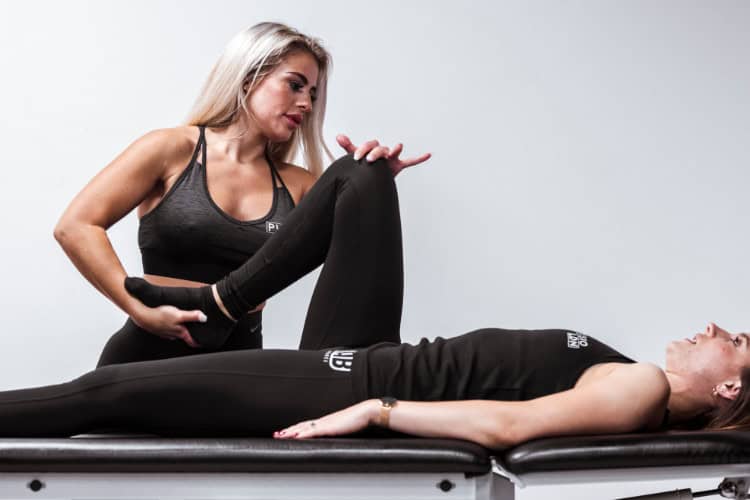
Pain descending stairs points most often to the kneecap joint at the front of the knee.
The kneecap glides in a groove at the front of the knee as it bends and straightens. When the load or control through that joint is off, the front of the knee complains, and stairs expose it. The tell is the direction: pain going down, more than going up.
Front-of-knee ache after long sitting, and discomfort squatting or kneeling, often travel with it. Pain that sits instead at the side, back, or deep in the joint, or that locks and gives way, points elsewhere and needs a different look. The front-of-knee, worse-going-down pattern is the specific one this blog is about.
Why Descending Hurts More Than Climbing
Going down loads the kneecap joint far more than going up, which makes it the sharper test.
Climbing stairs is powered by pushing up, which shares the load across the leg. Descending is controlled lowering, where the muscles work while lengthening and the kneecap joint takes a much higher load to brake each step.
So a kneecap joint that copes with climbing gets exposed going down. This is not a quirk. It is mechanics, and it is why physiotherapists ask specifically about stairs. The same reason explains why the pain shows up walking downhill and getting out of low chairs.
Understanding this load pattern is the first step in the right knee pain plan, because it points straight at what to strengthen and how.
What Usually Drives The Pattern
The kneecap pattern is usually a control and load problem, not damage.
Most front-of-knee stairs pain comes from how the kneecap is loaded and controlled, not from something torn. Common contributors: the muscles around the hip and thigh not controlling the knee well, a recent jump in activity or downhill loading, or a spell of reduced activity leaving the leg underprepared. The reassuring part is that these are changeable.
This is a capacity and control problem, which is exactly what targeted strengthening addresses. The named condition behind much of this pattern, and how to recognise it at home, is covered in our guide to kneecap pain and patellofemoral symptoms, coming in this series.
What Happens When You Book

A knee assessment confirms the source and builds the strengthening plan.
Your physiotherapist takes the history, watches how you move, tests the knee and the muscles that control it, and reaches a working diagnosis. The stairs pattern is usually clear quickly, and the assessment then finds why: which muscles are underperforming, what load change triggered it, and what the plan should target.
Treatment leads with progressive strengthening, because that is what restores the kneecap joint’s tolerance. Our knee pain team in London assesses front-of-knee pain within days through direct access, no referral needed. General guidance on the timing of knee assessment sits in our guide to when to see a physio for knee pain.
Note. Some knee symptoms need medical review rather than waiting. Seek urgent GP or A&E care for a knee you cannot bear weight through after injury, a hot swollen knee with fever, a knee that locks and will not straighten, or sudden severe swelling within hours of an injury. Seek GP review for knee pain with unexplained weight loss or night pain unrelated to activity. Physiotherapists screen for these at first assessment and refer onward the same day when they appear. Contact NHS 111 when unsure.
Frequently Asked Questions
We answer the stairs knee pain questions patients ask most.
Why does my knee hurt going down stairs but not up?
Descending loads the kneecap joint far more than climbing, so a kneecap problem shows up going down first. Going up is powered by pushing, which shares the load, while going down is controlled braking that concentrates it at the front of the knee. The direction is a useful diagnostic clue.
Is knee pain on stairs serious?
Most front-of-knee stairs pain is a treatable load and control problem, not damage. It responds well to targeted strengthening. Pain with swelling, locking, or giving way is a different case and warrants prompt assessment.
How is kneecap pain on stairs treated?
The main treatment is progressive strengthening of the muscles that control the knee and hip, guided by assessment. Passive treatments alone rarely fix it, because the problem is capacity and control. A staged plan restores the joint’s tolerance for stairs over time.
