

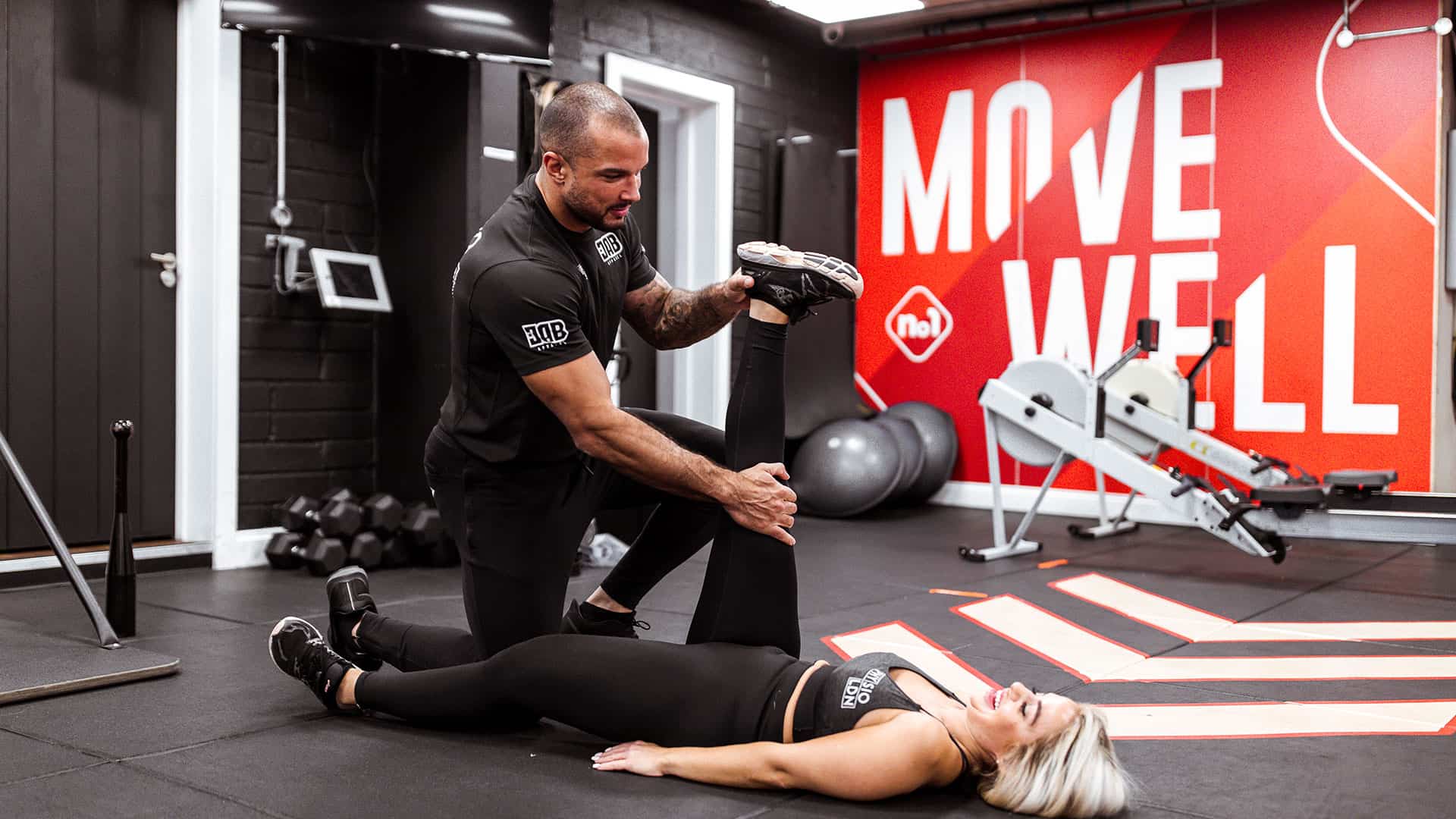

Finding a private physiotherapist for knee pain in the UK is a five-step process: verify credentials, match the physiotherapist to your knee problem, find a trusted clinic, check insurance, and book the assessment. Our team at One Body LDN treats knee pain across London every day, from runners with patellar irritation to office workers with worn cartilage, skiers recovering from a torn meniscus, and post-op patients rebuilding strength. The full process is below, alongside what to expect when you book a knee assessment with our team.
Key takeaways
- Every legitimate UK physiotherapist must be HCPC-registered, and most also hold MCSP chartered status. Our entire clinical team at One Body LDN holds both
- The right physiotherapist for your knee pain depends on the cause: sports injury, chronic wear, post-surgery recovery, or biomechanical issues
- The CSP Physio2u directory verifies any physiotherapist’s credentials in seconds
- Private knee physiotherapy in the UK typically costs £60 to £150 for the initial assessment and £55 to £95 for follow-ups
- No GP referral is needed in the UK. We accept self-referrals and book same-week knee assessments across our London clinics
Step 1: Verify the physiotherapist is HCPC registered and MCSP chartered
Every legitimate physiotherapist in the UK must be registered with the HCPC, and most also hold MCSP chartered status from the CSP.
The HCPC is the regulatory body that legally licenses physiotherapists to practise in the UK. Registration with the Health and Care Professions Council is mandatory by law. Practising as a physiotherapist without HCPC registration is illegal.
How to check HCPC registration
You can check any physiotherapist’s HCPC registration through the HCPC online register. A qualified physiotherapist will display their HCPC number on their clinic page or booking system. Every clinician on our team at One Body LDN holds active HCPC registration, verifiable online in seconds.
What MCSP means
MCSP stands for Member of the Chartered Society of Physiotherapy. The CSP is the professional body for UK physiotherapists. MCSP signals that the practitioner has completed a recognised physiotherapy degree and continues professional development. Our team holds both HCPC registration and MCSP chartered status, with ongoing internal clinical audit at every clinic visit. You are seen by qualified clinicians with specialist training, never by gym instructors or massage-only staff.
Step 2: Match the physiotherapist to your knee pain
Choosing the right type of physiotherapist for your specific knee pain is the difference between fast recovery and frustrating delays.
Not every physiotherapist treats every cause of knee pain equally well. The right physiotherapist for you depends on three factors: the cause of your knee pain, how long the pain has lasted, and the specific symptoms you experience.
MSK physiotherapist vs sports physiotherapist vs knee specialist
The three main types of private physiotherapists who treat knee pain are:
- MSK (musculoskeletal) physiotherapists treat general muscle, joint, and bone problems, including most chronic knee pain and biomechanical issues
- Sports physiotherapists focus on injuries sustained during running, football, gym training, or other physical activities
- Knee specialist physiotherapists hold advanced training in specific knee conditions and post-surgical rehabilitation protocols
Our team at One Body LDN includes physiotherapists with NHS, private hospital, and elite sports experience across all three specialisms. Runners experiencing front-of-knee pain benefit most from a sports-trained physiotherapist or someone offering runner’s knee physiotherapy in London, rather than a general MSK physiotherapist.
Match the physiotherapist to your symptoms
We use this same triage to match each patient to the right physiotherapist on our team. The most common causes of knee pain and the best-matched physiotherapists are:
- Acute injury after a specific incident: sports physiotherapist for return-to-activity programmes
- Chronic knee pain lasting over three months: MSK physiotherapist for movement assessment and progressive loading
- Post-surgery recovery (ACL, meniscus, knee replacement): knee specialist with surgical rehabilitation experience
- Locking, catching, or giving way: knee specialist for differential diagnosis
- Pain with swelling or instability: MSK physiotherapist with imaging referral pathways
Step 3: Find your knee physiotherapist quickly

The CSP Physio2u directory verifies credentials, and direct booking with an established London clinic is the fastest route to a qualified knee specialist.
The CSP Physio2u directory lets you search for chartered physiotherapists by postcode and clinical specialism. Every practitioner listed holds MCSP status.
Direct booking with an established clinic is faster than working through a directory. Independent London clinics offer longer sessions, more hands-on treatment, and direct continuity with the same physiotherapist throughout your treatment plan. Our team offers knee physiotherapy services across London with same-week appointments at multiple central locations, all led by HCPC-registered and MCSP-chartered clinicians with sports and post-surgical experience.
Step 4: Check your insurance and self-pay options
Most major UK health insurers cover private physiotherapy for knee pain, and we accept all major providers at One Body LDN.
Two main payment routes exist for private knee physiotherapy in the UK: private medical insurance and self-pay.
Using private medical insurance
We work with all major UK and international health insurers at One Body LDN, including AXA, Bupa, Vitality, Cigna, WPA, Healix, Aviva, Bupa Global, and Cigna Global. Cashback schemes like Simplyhealth and Medicash also reimburse eligible treatment costs. Contact your insurer ahead of booking to:
- Confirm physiotherapy is included in your policy
- Check pre-authorisation requirements
- Ask how many sessions are covered per year
- Confirm your chosen clinic is recognised
Our insurance portal handles authorisation codes and policy details, so you can book online without phone calls.
Self-paying: typical UK costs
The cost of private physiotherapy in the UK depends on location and specialism. Initial assessments typically cost £60 to £150, with follow-up sessions ranging also £55 to £95. London clinics sit at the higher end of the range. We publish current pricing and new-client offers on our booking pages.
Step 5: Book your first knee physiotherapy assessment
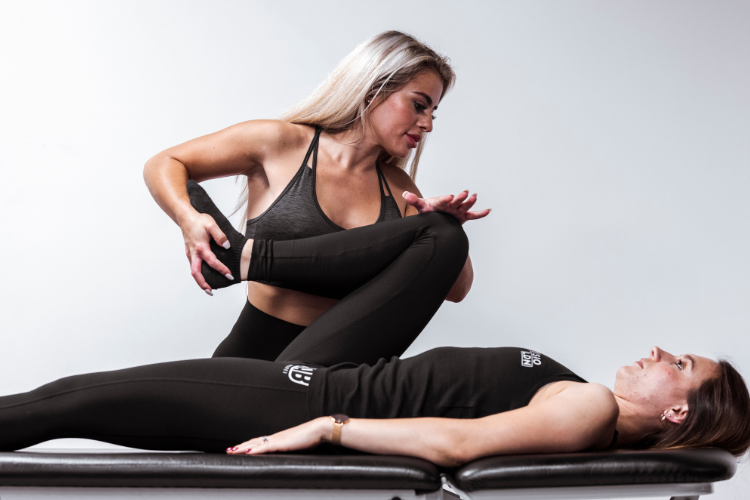
The initial assessment is where we confirm the cause of your knee pain and build your personalised treatment plan.
Booking online at One Body LDN takes 60 seconds. The first session lasts 45 to 55 minutes and includes a detailed history, a physical examination, hands-on treatment, and the start of your rehabilitation plan.
What to ask before booking
Five questions help you choose the right physiotherapist:
- Do you specialise in knee pain or knee-specific conditions?
- How long is the initial assessment?
- Do you accept my insurance provider?
- How quickly can I be seen?
- What does your follow-up structure look like?
What to bring to your first session
Bring any recent knee scans or imaging reports, a list of current medications, and clothing that allows easy movement of your knee. Self-referral is standard, so no GP letter is needed.
Book your knee physiotherapy assessment
Our HCPC-registered, MCSP-chartered physiotherapists at One Body LDN treat knee pain across London with same-week availability and full insurer coverage. Book your knee assessment in 60 seconds through our private knee physiotherapy in London page.
Common questions about finding a private knee physiotherapist
These four questions are the most common ones we hear from patients searching for a private knee physiotherapist.
Is it worth paying for private physio?
Most people with persistent knee pain benefit from private physiotherapy when speed of access, longer sessions, and continuity with the same clinician matter more than cost. NHS physiotherapy waiting times vary by region and can extend several weeks. Private clinics typically offer same-week appointments, 45 to 55-minute sessions, and the same physiotherapist throughout your treatment plan.
What is the best physiotherapy for knee pain?
A combination of hands-on manual therapy, progressive strength exercises, and education on movement modification is the standard of care for most knee pain in the UK. The right treatment depends on the cause of your knee pain, from sports injuries to chronic wear.
What is the 80/20 rule in physiotherapy?
The 80/20 rule in physiotherapy means roughly 80% of recovery comes from the exercises you do at home between sessions, and 20% comes from in-clinic treatment. Self-management matters more than session frequency alone.
How much does a private physio session cost in the UK?
A private physiotherapy initial assessment in the UK typically costs £60 to £150, with follow-up sessions ranging from £55 to £95. Prices vary by location and clinic specialism. London clinics sit at the higher end.
Note: When to seek urgent care rather than physiotherapy
Some knee problems need emergency medical care, not physiotherapy. Contact NHS 111, visit A&E, or call 999 for any of the following:
- Inability to bear weight on the leg
- A hot, swollen knee with fever
- Sudden locked knee that will not straighten
- Calf swelling alongside knee pain
- High-impact trauma with knee deformity
- A dislocated knee
