



Foot and ankle pain is common after 60, and it is too often written off as just getting older. Some of it is age-related change, but very little of it is untreatable, and almost none of it is a reason to move less. That last point matters more than it sounds, because in older adults, moving less is where the real trouble starts.
This guide covers what causes foot and ankle pain later in life, why physiotherapy is usually the right first step rather than the last resort, how it connects to staying steady on your feet, and the small set of symptoms that need a doctor first. Whether you are reading this for yourself or for a parent, the message is the same: this is treatable, and treating it protects more than the foot.
Key takeaways
- Foot and ankle pain after 60 is common and usually treatable, not simply something to live with
- Physiotherapy is the sensible first step for most of it, ahead of injections or surgery
- Treating foot and ankle pain helps keep you steady, because pain changes how you walk and balance
- Strength and balance work has strong evidence for reducing falls, and it starts with the feet and ankles
- A few signals, a non-healing sore, sudden calf or heel pain, circulation changes, need a doctor first
What changes in the foot and ankle with age
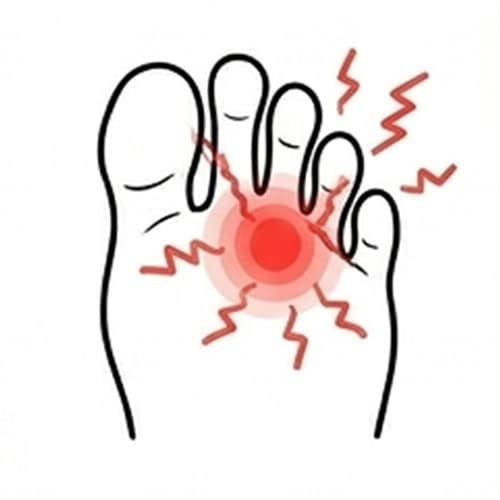
Several normal age-related changes make the foot and ankle more prone to pain, and each one has a physiotherapy answer.
The tissues of the foot and ankle change gradually with the years, and a few specific changes drive most of the pain seen after 60.
The cushioning thins
The natural fat pad under the heel and the ball of the foot thins with age, which is why standing and walking on hard floors can start to ache in a way it never used to. Less built-in cushioning means the foot feels more of every step. Footwear and load changes help, and strengthening the foot’s own muscles takes back some of the support that was lost.
Tendons stiffen and weaken
The achilles and the tendons around the ankle lose some of their stretch and strength over time, which makes the back of the heel and the ankle more prone to aching and slower to recover from a busy day. This is gradual, it is common, and it responds well to the graded loading a physiotherapist prescribes.
Joints get stiffer
Wear-related change in the foot and ankle joints, including the big toe, adds stiffness and can make certain movements uncomfortable. Stiffness is not the same as damage, and movement plus strengthening keeps these joints working far better than rest does.
None of this is a countdown. It is a set of changes that respond to the right work, which is exactly what makes physiotherapy the sensible starting point.
Why physiotherapy comes first

For most foot and ankle pain in older adults, physiotherapy is the right first step because it treats the cause and protects function, without the risks that come with injections or surgery.
The instinct, understandably, is often to rest a sore foot or to reach for a scan. But rest tends to backfire in this age group: the foot and ankle lose strength and the aches spread, while a scan showing age-related change rarely changes what actually needs doing. Wear on an X-ray is near-universal after 60 and frequently painless, so the image is read against how you move, not instead of it.
Physiotherapy works the other way round. It settles the painful tissue, rebuilds the strength the foot and ankle have lost, and keeps you moving through it, which is what keeps the rest of you well.
Injections and surgery have their place for the minority who need them, but they are rarely the starting point for the mechanical foot and ankle pain that dominates this age group. Where an ankle problem is the main issue, our ankle pain physiotherapy in London team assesses and treats it directly, no GP referral needed.
The connection to staying steady on your feet
Foot and ankle pain changes how you walk and balance, and treating it is part of staying steady, which is why physiotherapy here does more than ease the pain.
This is the part most cost-of-getting-older articles miss, and it is the most important. When a foot or ankle hurts, you unconsciously change how you walk to avoid the pain, a shorter step, a shift of weight, a slower pace. Those changes reduce your stability, and reduced stability is what raises the risk of a stumble.
The feet and ankles are your base of support and your balance sensors. Strong, mobile, comfortable feet keep you steady; painful, weak, stiff ones do not. This is why the evidence matters here: strength and balance training has strong research support for reducing the risk of falls in older adults, and that training runs directly through the feet and ankles a physiotherapist is already treating.
The framing that helps: treating your foot pain is not just about comfort. It is about keeping the confidence and stability that let you carry on doing what you want to do. That is a reason to treat it early, not to wait it out.
The signals that need a doctor first
Most foot and ankle pain in older adults is safe for physiotherapy, but a few specific signals need medical review first.
Seek prompt medical care, rather than physiotherapy, for any of these:
- A sore, blister, or wound on the foot that is not healing, which is urgent if you have diabetes and needs same-day review
- Sudden sharp pain at the back of the heel or calf, sometimes with a snapping sensation, which can signal an achilles rupture
- A foot or toes that are cold, pale, or changing colour, which can point to a circulation problem
- A hot, red, swollen foot or joint with fever, or with sudden severe big-toe pain, which can signal infection or gout
- New numbness or pins and needles spreading across the foot
A physiotherapist screens for all of these at a first assessment and refers onward the same day where needed. When in doubt, getting it checked early is the safe choice.
What treatment looks like
Foot and ankle physiotherapy for older adults combines settling the pain, rebuilding strength and balance, and keeping you moving, tailored to what you want to get back to.
A first appointment covers your history, how the pain behaves, your footwear, and what it is stopping you doing. From there the plan blends hands-on treatment where it helps, graded strengthening for the foot, ankle and calf, balance work, and practical footwear and activity guidance. The strengthening is staged to your starting point, so it works whether you are very active or building back gently.
The aim is not just a comfortable foot. It is a foot and ankle you can rely on, walking, stairs, gardening, travel, whatever your days ask of them.
Book a foot and ankle assessment
Foot and ankle pain after 60 is treatable, and treating it protects your comfort, your stability, and your independence. Book an assessment with our ankle pain physiotherapy in London team in 60 seconds, no GP referral needed.
Common questions about foot and ankle pain in older adults
Is foot and ankle pain just a normal part of getting older?
Common, yes; something to simply accept, no. Age-related changes make foot and ankle pain more likely, but the pain itself is usually treatable, and treating it helps you stay active and steady rather than slowing down.
Can physiotherapy really help foot pain in your 70s or 80s?
Yes. Feet and ankles respond to strengthening at any age, and physiotherapy is the best-evidenced first-line treatment for most foot and ankle pain. Programmes are staged to your starting point, so age is not a barrier to benefiting.
How does treating my foot pain help prevent falls?
Pain changes how you walk and balance, which reduces your stability. Treating the pain and rebuilding foot and ankle strength restores that stability, and strength and balance training is well evidenced for reducing fall risk in older adults.
Should I see a physiotherapist or a podiatrist for foot pain?
For pain driven by movement, strength, and how you walk, physiotherapy leads. For nail, skin, and diabetic foot care, a podiatrist leads. The two overlap and refer to each other, so starting with either and being pointed to the right one is fine.
Do I need a scan before treating foot or ankle pain?
Usually not. Most foot and ankle problems are diagnosed from your history and how you move. Age-related change shows on scans of pain-free feet too, so imaging is used only where it would change the plan. Our foot pain physiotherapy in London team assesses without needing a scan to start.
Note: Foot and ankle signs that need a doctor first
Seek prompt medical care for any of these:
- A sore or wound on the foot that is not healing, urgent with diabetes
- Sudden sharp pain at the back of the heel or calf
- A cold, pale, or colour-changing foot or toes
- A hot, red, swollen foot with fever, or sudden severe big-toe pain
References
- Sherrington C, Fairhall NJ, Wallbank GK, et al. Exercise for preventing falls in older people living in the community. Cochrane Database of Systematic Reviews. 2019;(1):CD012424.
- Menz HB. Chronic foot pain in older people. Maturitas. 2016;91:110-114.
- National Institute for Health and Care Excellence. Falls in older people: assessing risk and prevention. NICE guideline CG161; 2013.
- NHS. Foot pain.
- Chartered Society of Physiotherapy. Falls prevention.
