



Arm pain gets louder at night. An elbow, wrist, or hand that felt manageable through a busy day can ache more once you are still, and that pattern is common enough to be worth explaining properly rather than worrying over. Night is not when the problem started. It is when distraction stops and the day’s load finally gets noticed.
We explain why that happens, then when night pain is worth booking an assessment for. Our MCSP-registered team at One Body LDN assesses arm pain across our London clinics, and night timing is one of the most useful clues a patient can bring to a first conversation.
Key Takeaways
- Night amplifies arm pain because distraction falls away and position changes alter pressure on the joint.
- Ache that builds through the day and settles at night, more than during it, usually reflects load, not damage.
- Numbness or tingling specifically at night is a different pattern, covered in our separate guide.
- Night pain persisting beyond two to three weeks, in any of the three areas, warrants assessment.
- Direct access applies. No GP referral is needed to book an assessment.
Why Night Makes Arm Pain Louder

Three reasons explain why elbow, wrist, and hand pain often feels worse after dark.
Distraction falls away. A busy day masks low-grade ache that a quiet room does not. Position changes the load. Lying down alters pressure through the wrist and elbow, and a bent position held for hours can settle discomfort into a joint that felt fine upright. The day’s load catches up.
Tissues stressed through repetitive use, typing, gripping, lifting, often report in once the activity stops rather than during it. None of this means the problem is worse than it seemed during the day. It usually means the same problem, noticed properly for the first time.
What The Pattern Usually Means, By Area
Each of the three areas has its own common night-ache pattern.
An elbow that aches at night, particularly on the inner or outer side, often reflects a tendon that has been under load through the day and is settling slowly overnight, the pattern covered in our guide to tennis elbow and golfer’s elbow.
A wrist that aches generally, without numbness, often reflects the same load-settling pattern from repetitive use or a recent change in activity. A hand or finger that aches at night, without locking or numbness, often reflects joint or tendon load from the day’s gripping and fine motor tasks. In all three, the ache-without-numbness pattern is generally the less urgent of the two night patterns.
The Different Pattern: Numbness At Night
Numbness or tingling at night, especially in the hand, is a distinct pattern worth separating from general ache.
Waking with numb or tingling fingers is common enough, and specific enough, that it deserves its own explanation rather than a brief mention here. Our guide to waking up with numb hands at night covers that pattern in full, including what it usually points to and when it is worth a prompter assessment than general ache would be. If numbness rather than plain ache is your main complaint, that guide is the more useful read.
When Night Pain Is Worth Assessing
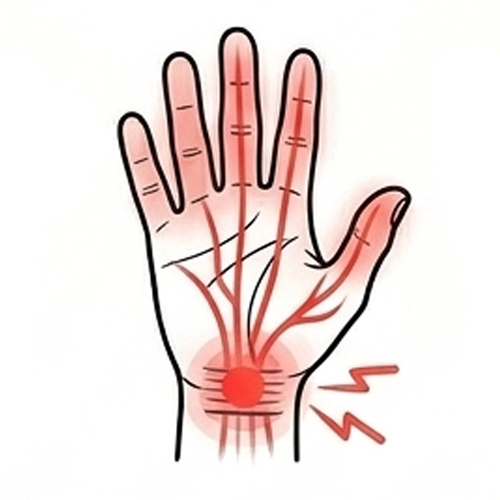
Two to three weeks of persistent night ache, in any of the three areas, is the general threshold.
Occasional night ache after an unusually demanding day is common and rarely needs assessment on its own. Night ache that has settled into a pattern lasting two to three weeks, or that is now affecting sleep regularly, is worth a proper look.
The assessment finds the specific load or structure involved and stages a plan around it, which usually resolves the night pattern faster than waiting it out. Our elbow, wrist, and hand teams in London assess these presentations within days through direct access, no referral needed.
Note. Some arm symptoms need urgent medical care rather than waiting on a pattern. Seek urgent care for sudden severe pain, visible deformity, or inability to move the joint after an injury, or a hot swollen joint with fever.
Seek urgent medical advice for numbness or weakness spreading rapidly, or for left arm pain alongside chest tightness, breathlessness, or sweating, which can signal a heart problem rather than a musculoskeletal one. Physiotherapists screen for these at first assessment and refer onward the same day when they appear. Contact NHS 111 when unsure.
Frequently Asked Questions
We answer the night pain questions patients ask most.
Why does my arm hurt more at night than during the day?
Distraction falls away, position changes pressure on the joint, and the day’s load often reports in once activity stops. This is usually the same problem noticed clearly, not a sign it has worsened. The pattern is common across the elbow, wrist, and hand.
Is night pain different from daytime pain?
The underlying problem is usually the same, but night removes the distractions that mask it during the day. An exception is numbness specifically at night, which is a distinct pattern worth its own assessment, covered in our separate guide.
When should I get night arm pain assessed?
Once it has persisted for two to three weeks or is regularly affecting your sleep. Occasional night ache after a demanding day is common and usually settles on its own. A pattern that has become regular is worth a proper assessment.
