

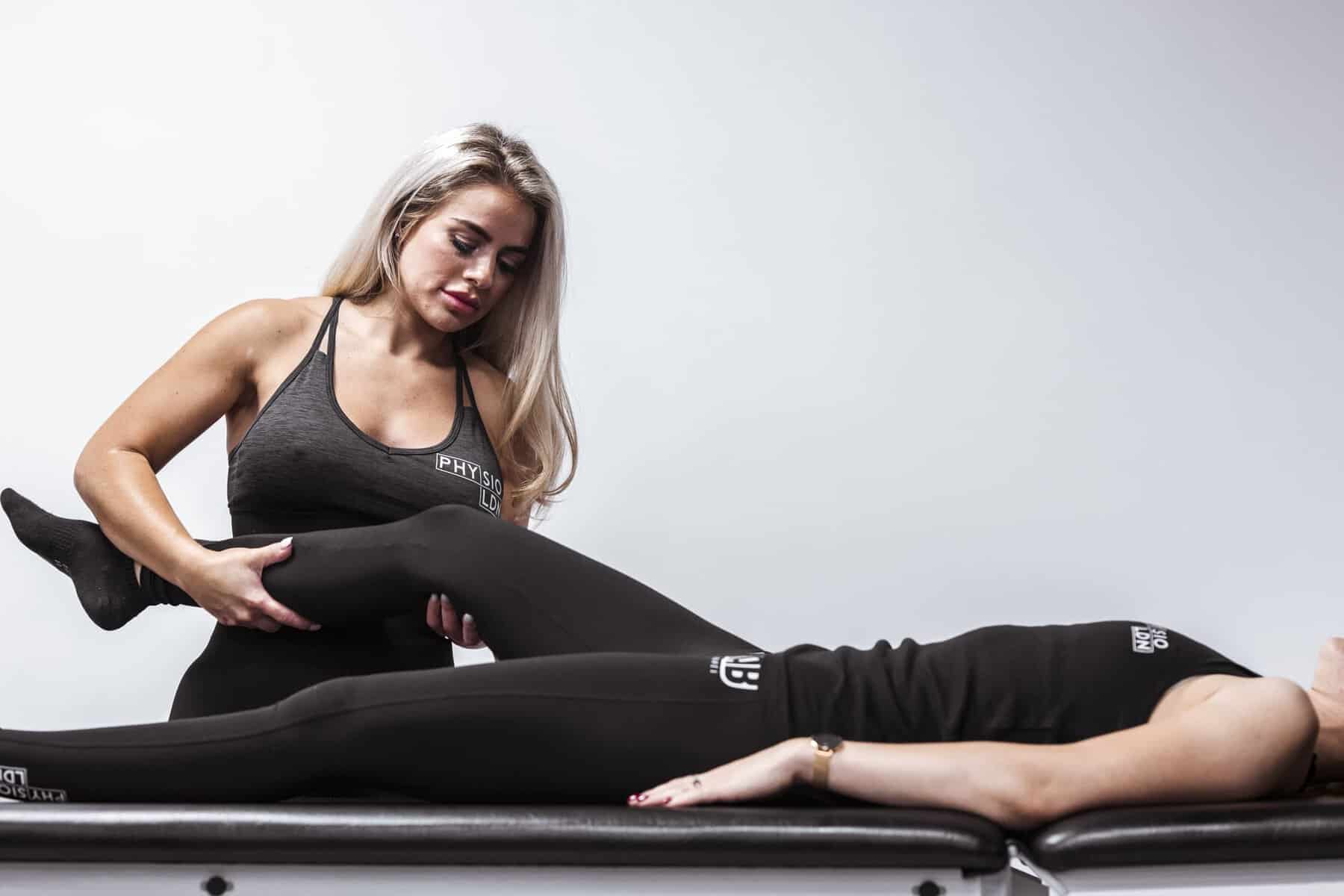

Your knee has hurt for three weeks, the NHS physiotherapy referral has a waiting time attached, and you want to know what going private costs before you book anything. Published UK fees in April 2026 put a first private physiotherapy assessment between £45 and £120, with follow-up sessions between £35 and £85, and London sits at the top of both ranges.
The session fee is the smaller question. Knee pain is a diagnosis-led cost, and the number of sessions a meniscal irritation needs is not the number an ACL reconstruction needs. This guide sets out what a knee assessment costs, what follow-ups cost, how many sessions each common knee diagnosis tends to need, what adds to the bill, and how to pay less without paying for less care.
Key takeaways
- A first private physiotherapy assessment for knee pain costs £45 to £120 in the UK, and a follow-up session costs £35 to £85, based on fees published in April 2026.
- Central London clinics charge £80 to £120 for an assessment and £60 to £85 per follow-up, which is 30 to 50 per cent above northern England.
- Total cost depends on the knee diagnosis more than on the session price: a simple strain needs 2 to 4 sessions, patellofemoral pain 6 to 8, and ACL rehabilitation 12 to 20 or more.
- Imaging, shockwave and injections are separate charges, and most knee pain needs none of them.
- Private medical insurance, direct access without a GP referral and a written session plan at the first visit are the three ways to lower the total.
What does a first private physiotherapy assessment for knee pain cost?
A first private physiotherapy assessment for knee pain costs £45 to £120 in the UK, with £65 the most common fee outside London. The appointment lasts 45 to 60 minutes at most clinics. Fees published in April 2026 show a clear regional gradient.
| Region | First assessment | Follow-up session |
| Central London | £80 to £120 | £60 to £85 |
| Outer London | £65 to £95 | £50 to £70 |
| South East | £55 to £80 | £45 to £65 |
| Midlands | £50 to £70 | £40 to £55 |
| North of England | £45 to £65 | £35 to £50 |
What the fee buys. A knee assessment covers your history, a physical examination of the knee, hip and ankle, a working diagnosis, a treatment plan with an expected number of sessions, and your first exercises. The physiotherapist tests the ligaments, the meniscus and the patellofemoral joint by hand, which is why the first visit runs longer than a follow-up.
The caveat. A 20-minute assessment priced at £45 is not cheaper than a 45-minute assessment priced at £75. Price per minute of clinical time, and whether you leave with a written plan, are the two numbers that matter.
What do follow-up physiotherapy sessions for knee pain cost?

Follow-up physiotherapy sessions for knee pain cost £35 to £85 in the UK, with £50 the most common fee and £60 to £85 in central London. A follow-up lasts 30 to 45 minutes.
What happens in a follow-up. The physiotherapist re-tests the movements that hurt at the first visit, progresses the loading in your exercise programme, and uses hands-on treatment where the knee is stiff or guarded. Each follow-up for knee pain adds load, not repetition, so a programme that feels the same at session four as at session one is a reason to ask why.
Frequency. Most knee conditions start at one session a week and move to one every two or three weeks as the knee tolerates more load. Weekly sessions for three months are rarely necessary for knee pain that has no surgical history.
How many sessions does knee pain need, and what does that make the total?
Total cost for private knee physiotherapy ranges from about £150 for a simple strain to more than £1,500 for ACL rehabilitation, because the diagnosis sets the session count. The session fee is public on most clinic websites. The session count is the figure most pages leave out, and the figure that decides what you pay.
| Knee diagnosis | Typical sessions | Typical span | Indicative total (regional £50 / London £70 per follow-up) |
| Simple ligament or muscle strain | 2 to 4 | 2 to 4 weeks | £150 to £400 |
| Patellofemoral (kneecap) pain | 6 to 8 | 8 to 12 weeks | £350 to £680 |
| Meniscal irritation managed without surgery | 6 to 10 | 8 to 12 weeks | £350 to £820 |
| Knee osteoarthritis | 6 to 8, then self-managed | 12 weeks | £350 to £680 |
| Patellar or quadriceps tendinopathy | 6 to 8 | 6 to 12 weeks | £350 to £680 |
| After knee replacement | 8 to 12 | 3 to 6 months | £450 to £960 |
| ACL reconstruction | 12 to 20 or more | 6 to 12 months | £650 to £1,520 or more |
Session counts for strains, ACL and knee replacement follow published UK provider data from April 2026. Counts for patellofemoral pain, meniscal irritation and tendinopathy reflect what we see across our clinics, where most non-surgical knee pain settles inside a 12-week loading programme.
The part most pages skip. A good physiotherapist states the expected session count at the end of the first assessment. Multiply that count by the follow-up fee and you have your real price before you pay for a second visit. A clinic that cannot give a range after examining your knee is asking you to buy sessions one at a time with no end point.
Our knee pain causes and treatment guide sets out which diagnosis sits behind each pattern of knee pain, so you know which row applies before you book.
The honest limit. These counts are typical, not guaranteed. A meniscal tear in a 25-year-old footballer and the same tear in a 60-year-old with early osteoarthritis need different programmes, and the second often needs fewer visits and more patience.
What adds to the cost of knee physiotherapy?
Imaging, shockwave therapy, injections and bracing are charged separately from physiotherapy sessions, and most knee pain needs none of them. The published UK ranges in 2026 are £100 to £250 for a musculoskeletal ultrasound scan and £50 to £150 per shockwave session.
Imaging. NICE guideline NG226 states that knee osteoarthritis is diagnosed clinically, without imaging, in adults aged 45 and over who have activity-related knee pain and either no morning stiffness or stiffness lasting under 30 minutes.
A scan changes management only when surgery or a specific structural injury is in question, so a physiotherapist who examines your knee and does not send you for an MRI is following the evidence, not cutting corners.
Shockwave. Shockwave has a role in patellar tendinopathy that has failed a loading programme. Shockwave has no role in patellofemoral pain, meniscal irritation or osteoarthritis, so a clinic that offers shockwave for general knee pain is adding cost without adding benefit.
Other charges. Late cancellation fees of 50 to 100 per cent of the session, knee braces or taping supplies, and a report letter for an insurer or employer are the usual extras. Ask for the cancellation policy in writing before the first visit.
How do you pay less for knee physiotherapy without paying for less care?
You pay less for private knee physiotherapy by using insurance, booking without a GP referral, agreeing a session count at the first visit and doing the home programme. None of the four reduces the quality of care.
Private medical insurance. Bupa, AXA Health, Vitality and Aviva cover physiotherapy for knee pain under most policies, and many allow self-referral to an approved physiotherapist. Some policies still require a GP referral first, and most carry an excess, so check both before you book.
Direct access. Physiotherapists registered with the Health and Care Professions Council assess and treat knee pain without a GP referral. A private GP appointment to obtain a referral costs £60 to £120 and adds nothing to the knee assessment. Our guide to physiotherapy without a GP referral explains when a referral is still worth having.
A written plan. Ask for the expected number of sessions, the goal of each phase and the review date at the first visit. A home programme done daily cuts the number of clinic visits, because the physiotherapist spends the session progressing your exercises rather than repeating them.
The NHS route. NHS physiotherapy for knee pain is free, and most areas now accept self-referral. The waiting time is the cost. NHS England’s MSK Community Delivery Programme, rolled out nationally in May 2026, cut 18-week waits in pilot areas by 20 per cent, which means waits of several months remain common. Our comparison of NHS versus private physiotherapy waiting times in London sets out when the wait is acceptable and when a knee that is locking or giving way needs assessment sooner.
When to get your knee assessed
Knee pain that has lasted more than two weeks, that limits stairs or walking, or that follows a twist or fall warrants a physiotherapy assessment, and no GP referral is needed. The cost of one assessment is small against the cost of three months of guessing.
Our guide on when to see a physiotherapist for knee pain covers the timing in more detail, and our knee pain physiotherapy service in London runs across all our clinics, with the first assessment priced on the service page.
Note. Some knee symptoms need urgent medical care rather than physiotherapy. A knee that is hot, red and swollen with a fever, a knee you cannot put weight on after an injury, an obvious deformity, a locked knee that will not straighten, or calf pain and swelling with shortness of breath are reasons to call NHS 111 or go to A&E.
Book your London knee assessment
Knee pain costs less to treat when the diagnosis is made at the first visit and the session count is agreed before the second. We publish every price on our knee pain physiotherapy in London page, and you can book your first assessment at any of our clinics in 60 seconds, with no GP referral needed.
Common questions about the cost of knee physiotherapy
Is private physiotherapy for knee pain worth the cost?
Private physiotherapy is worth the cost when the NHS wait is longer than the time your knee needs to settle, or when the knee is stopping you working or training. Most non-surgical knee pain improves inside a 12-week loading programme, so a total of £350 to £700 buys a diagnosis, a plan and the review points that an unsupervised wait does not.
Does health insurance cover physiotherapy for knee pain?
Most UK private medical insurance policies cover physiotherapy for knee pain, with a session limit and an excess. Bupa, AXA Health, Vitality and Aviva each accept self-referral under many policies, and some still ask for a GP referral, so confirm with your insurer before the first visit.
How much does ACL rehabilitation cost privately?
ACL rehabilitation after reconstruction costs about £650 to £1,500 or more in private physiotherapy fees, across 12 to 20 or more sessions over 6 to 12 months. The surgery itself is charged separately by the hospital.
Is a sports therapist cheaper than a physiotherapist for knee pain?
A sports therapist often charges less per session than a physiotherapist. The physiotherapist title is protected and regulated by the Health and Care Professions Council, which most insurers require for reimbursement, so a cheaper session that an insurer will not fund is not the cheaper option.
Do I pay for a physiotherapy assessment if I need a scan or a consultant instead?
Yes, the assessment fee applies, because the examination is what identifies the need for onward referral. A physiotherapist who refers you on after one visit has saved you the cost of several sessions that would not have helped.
References
- TreatCompare. Private Physiotherapy Costs UK 2026: What You’ll Pay. Fees as of April 2026, compiled from publicly listed provider prices.
- National Institute for Health and Care Excellence. Osteoarthritis in over 16s: diagnosis and management. NICE guideline NG226, October 2022.
- Chartered Society of Physiotherapy. CSP welcomes nationwide rollout of MSK programme to cut waits and support people back to work. 26 May 2026.
- NHS. Physiotherapy: how to access.
- Health and Care Professions Council. Check the register.
