
Main Takeaways
- Night pain rises with osteoarthritis severity and disrupted cortisol/inflammation rhythms.
- Overexertion by day can flare symptoms once you’re at rest.
- Better sleep positions (pillow under/between knees) and pre-bed icing ease pain.
- Physiotherapy (manual therapy + rehab) improves function and sleep quality.
- Seek urgent care for redness, heat, fever, or sudden loss of motion.
Knee pain that worsens during the night is a common complaint affecting millions worldwide, especially as people age or suffer from conditions such as osteoarthritis. This discomfort can severely disrupt sleep quality, impacting overall health and daily function. Understanding why knee pain intensifies at night and how to manage it effectively is crucial for those seeking relief and better rest.If you’re exploring care options, evidence-based knee pain treatment in London can help you reduce pain while improving sleep quality.
Research shows that the prevalence of nocturnal knee pain increases significantly with the severity of knee osteoarthritis, with rates ranging from 3.6% in mild cases to 75% in severe cases (Schiphof et al., 2014). This highlights the importance of addressing knee pain proactively.
Whether you are dealing with chronic knee issues or recent discomfort, this article explores why knee pain worsens at night, offers practical tips for sleeping comfortably, and advises when it’s time to seek professional help.
Why Knee Pain Worsens at Night
Nighttime knee pain is often more noticeable due to several physiological and behavioral factors. During the day, movement and activity can distract from pain sensations, but at night, when the body is at rest, the discomfort becomes more pronounced.

Dr. Steve Yoon explains that decreased daily activities at night reduce the distraction from pain, while physiological changes such as elevated inflammatory mediators and decreased cortisol levels contribute to increased pain sensitivity (Livestrong, Dr. Steve Yoon). This hormonal shift can amplify inflammation in the knee joint, leading to heightened pain.
Moreover, studies have found that knee pain and mobility impairment are strongly associated with sleep disturbances in older adults, regardless of the severity of osteoarthritis (Sasahara et al., 2023). This means that even mild knee issues can disrupt sleep, creating a vicious cycle of pain and poor rest.
Increased activity during the day beyond one’s exercise capacity can also exacerbate knee pain at night. Physical therapists note that overexertion leads to muscle fatigue and inflammation, which become more apparent when the body is still (Hospital for Special Surgery, 2020).
Furthermore, the severity of knee osteoarthritis correlates with the frequency of nocturnal knee pain. For example, those with advanced osteoarthritis (K/L grade 4) report nocturnal pain in 75% of cases, compared to just 3.6% in those without radiographic evidence of the disease (Schiphof et al., 2014).
In addition to these factors, the body’s natural circadian rhythms can also play a role in the perception of pain. Research indicates that pain sensitivity can fluctuate throughout the day, often peaking at night. This phenomenon may be linked to the body’s internal clock, which regulates not only sleep-wake cycles but also inflammatory responses. As the day transitions into night, the body may produce more pro-inflammatory cytokines, further exacerbating discomfort in the joints.
Moreover, the position in which one sleeps can significantly influence knee pain. For instance, sleeping on one’s side with the knees bent can place additional pressure on the knee joint, leading to increased discomfort. Conversely, sleeping on the back with a pillow under the knees may help alleviate some pressure and provide better alignment.
Understanding these nuances can empower individuals to make small adjustments to their sleep environments, potentially easing nighttime knee pain and improving overall sleep quality.
Tips for Sleeping Comfortably
Managing knee pain to improve sleep quality involves a combination of lifestyle adjustments, physical therapies, and environmental modifications. Here are several evidence-based tips to help you sleep more comfortably despite knee pain.

Applying an ice pack to the knee for 15-20 minutes before bedtime can reduce inflammation and soothe pain. Physical therapist Zachary Rogers recommends this simple yet effective method to ease nighttime discomfort (Hospital for Special Surgery, 2020).
Choosing the right sleeping position can also alleviate pressure on the knee joint. Sleeping on your back with a pillow under the knees or on your side with a pillow between the legs helps maintain proper alignment and reduces strain. Additionally, using a body pillow can provide extra support and comfort, allowing for a more restful sleep while minimizing the risk of rolling into a position that aggravates knee pain.
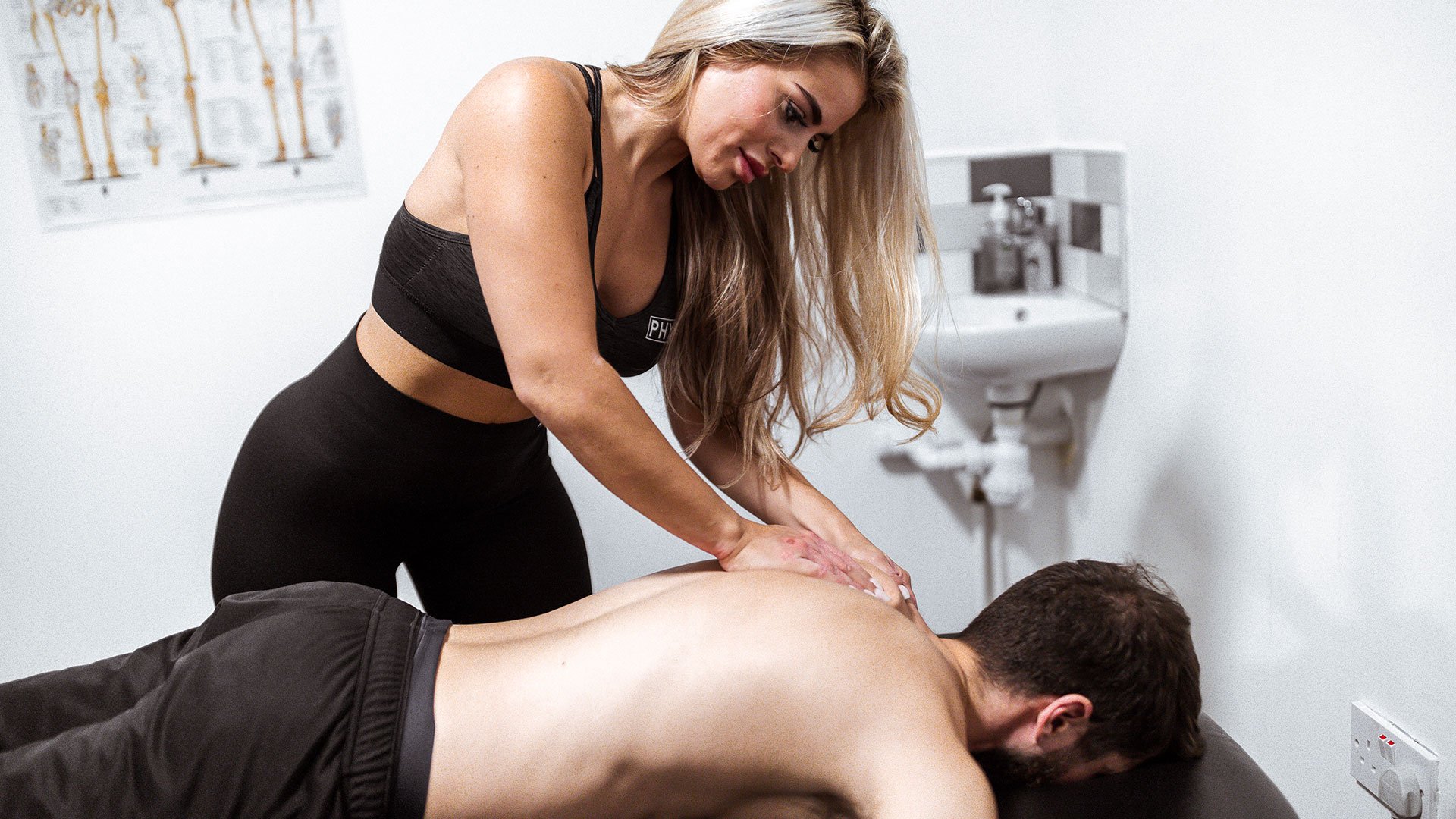
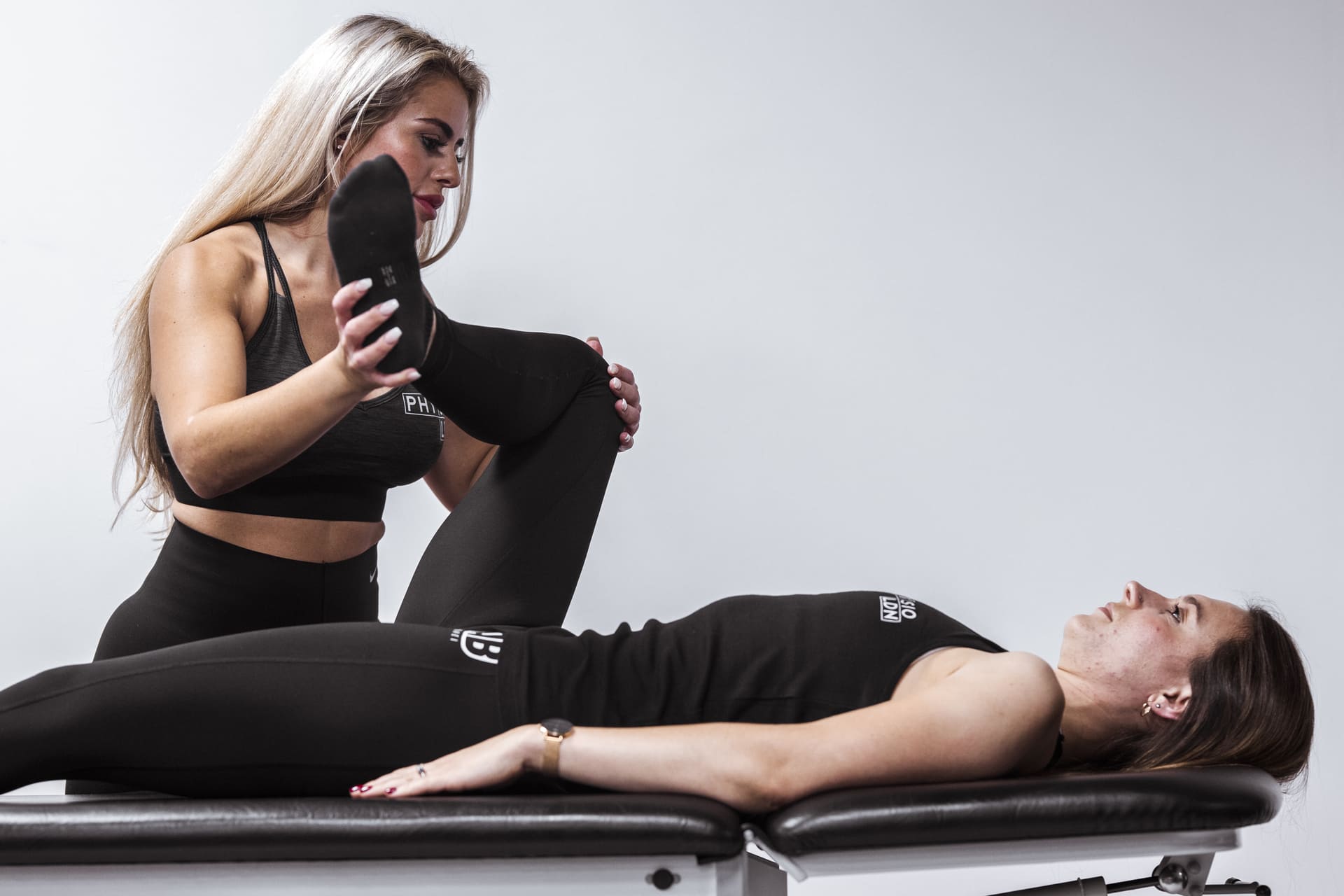
Engaging in gentle physiotherapy exercises during the day can strengthen the muscles around the knee, improving joint stability and reducing pain. London’s leading physiotherapy clinics, such as One Body LDN, offer tailored rehabilitation programs combining deep tissue massage and exercise therapy to address the root causes of knee pain.
Working with a professional knee pain physiotherapist ensures your plan is individualized, progressed safely, and aligned with your sleep and activity goals. Incorporating low-impact activities such as swimming or cycling into your routine can also enhance flexibility and endurance without placing undue stress on the knee joint.
Maintaining a healthy weight is another crucial factor, as excess body weight increases stress on the knees, exacerbating pain and inflammation. Nutritional guidance and weight management strategies should be part of a comprehensive knee pain management plan. A diet rich in anti-inflammatory foods, such as fatty fish, nuts, and leafy greens, can further support joint health and overall well-being.
For those who have undergone knee arthroplasty, it is important to note that poor sleep quality related to knee pain may persist even a year after surgery. A recent 2024 study found that 54% of knee replacement patients reported ongoing sleep disturbances before and after surgery (Knee Surg Sports Traumatol Arthrosc, 2024), emphasizing the need for ongoing pain management and rehabilitation.
Exploring options such as cognitive behavioral therapy for insomnia (CBT-I) may also be beneficial, as it addresses the psychological factors that can contribute to sleep difficulties, providing patients with tools to improve their sleep hygiene and overall quality of life.
When to See a Professional
Persistent or worsening knee pain at night should prompt consultation with a healthcare professional, especially if it interferes with sleep or daily activities. Early intervention can prevent chronic pain and improve quality of life.

Physiotherapists are often the first point of contact for knee pain management. They conduct thorough assessments to identify the underlying causes and develop personalized treatment plans involving manual therapy, exercise rehabilitation, and lifestyle advice. London’s top physiotherapy clinics, such as One Body LDN, provide expert care with highly trained clinicians who receive over five times the required regulatory training.
If you’re in London, being seen by specialist London knee pain physiotherapists ensures your plan is evidence-based and tailored to your needs, with a focus on restoring sleep and function. These clinics not only focus on immediate pain relief but also emphasize long-term strategies to enhance joint function and mobility, ensuring that patients can return to their favorite activities without fear of re-injury.
If knee pain is accompanied by swelling, redness, fever, or sudden inability to move the joint, immediate medical attention is necessary as these may indicate infection or injury. Such symptoms can be indicative of conditions like septic arthritis or a torn ligament, both of which require prompt diagnosis and intervention to prevent further complications.
In these cases, imaging studies such as X-rays or MRIs may be necessary to ascertain the extent of the injury and guide treatment decisions.
For those with osteoarthritis, regular monitoring and treatment adjustments are essential. Studies indicate that nocturnal knee pain is a significant symptom that correlates with disease progression and sleep quality (Gooberman-Hill et al., 2009). This chronic condition not only affects the joints but can also lead to a cascade of other health issues, including weight gain and decreased cardiovascular health, as patients may limit their physical activity due to pain.
Engaging in a comprehensive management plan that includes physical therapy, medication, and possibly dietary changes can greatly enhance the overall well-being of those affected.
Additionally, if knee pain disrupts sleep consistently, it may contribute to broader health issues, including fatigue, mood disorders, and impaired physical function. Addressing these symptoms holistically with professional guidance can improve outcomes. Sleep disturbances caused by pain can lead to a vicious cycle where lack of rest exacerbates the perception of pain, making it crucial to seek help.
Techniques such as cognitive behavioral therapy for pain management, combined with physical rehabilitation, can provide a multifaceted approach to restoring both sleep quality and joint health, allowing individuals to reclaim their lives with renewed vigor.
FAQ
What causes knee pain to get worse at night?
Knee pain worsens at night due to reduced distractions, increased inflammatory mediators, decreased cortisol levels, and the effects of daytime activity on joint tissues. These factors heighten pain sensitivity when the body is at rest. Additionally, the body’s natural circadian rhythms can influence pain perception, making discomfort more pronounced during nighttime hours. As the body prepares for sleep, it enters a state of relaxation, which can lead to increased awareness of pain in areas that may have been overlooked during the hustle and bustle of the day.
How common is knee pain at night among older adults?
Studies show that knee pain at night affects a significant portion of older adults, with prevalence increasing alongside osteoarthritis severity. For example, 75% of individuals with severe knee osteoarthritis report nocturnal pain. This issue can severely impact the quality of life, leading to sleep disturbances that can exacerbate other health issues, such as depression and cognitive decline. Furthermore, the psychological toll of chronic pain can create a cycle of anxiety and restlessness, making it even more challenging for older adults to find relief and restorative sleep. For detail information see the blog knee pain in older adults .
Can physiotherapy help reduce nighttime knee pain?
Yes. Physiotherapy can strengthen muscles around the knee, improve joint function, and reduce pain. Techniques such as manual therapy, exercise rehabilitation, and deep tissue massage are effective. London clinics like One Body LDN specialize in these treatments. Moreover, physiotherapists often provide education on proper body mechanics and ergonomic adjustments that can help alleviate stress on the knee joint during daily activities. Such tailored approaches not only address existing pain but also aim to prevent future injuries, promoting long-term joint health.
What are some effective home remedies for knee pain at night?
Applying ice packs before bed, adjusting sleeping positions, maintaining a healthy weight, and avoiding overexertion during the day can help manage nighttime knee pain. Additionally, incorporating gentle stretching or yoga into your evening routine can enhance flexibility and reduce stiffness. Herbal remedies, such as turmeric or ginger tea, may also provide anti-inflammatory benefits, promoting a more restful night. Creating a calming bedtime environment, perhaps with soothing music or aromatherapy, can further aid in relaxation and pain management, allowing for a more peaceful sleep.
When should I see a doctor about my knee pain?
Seek medical advice if knee pain is severe, persistent, accompanied by swelling or redness, or if it significantly disrupts sleep and daily activities. Early professional intervention can prevent worsening symptoms. It is also advisable to consult a doctor if you experience any sudden changes in mobility or if the pain arises after an injury. A thorough evaluation can help determine the underlying cause of the pain, whether it be arthritis, a meniscus tear, or another condition, allowing for a more targeted treatment approach.
Does knee replacement surgery improve nighttime knee pain?
While knee arthroplasty can relieve pain, studies indicate that over half of patients continue to experience poor sleep quality related to knee pain even one year after surgery (Knee Surg Sports Traumatol Arthrosc, 2024), highlighting the need for ongoing care. Post-surgical rehabilitation is crucial, as it helps patients regain strength and mobility, which can ultimately lead to improved sleep patterns. Furthermore, addressing any psychological factors, such as anxiety about the surgery or recovery process, can play a significant role in enhancing overall well-being and sleep quality.
How can I find the best physiotherapist in London for knee pain?
Look for clinics with highly trained, accredited physiotherapists who offer personalized treatment plans and have positive patient reviews. One Body LDN is a leading London clinic known for its expert care and ethical practices (One Body LDN). Additionally, consider seeking recommendations from friends, family, or healthcare providers who may have experience with local physiotherapists. Many clinics also provide initial consultations, allowing you to assess their approach and compatibility with your specific needs before committing to a treatment plan.
Take Control of Your Nighttime Knee Pain with One Body LDN
If knee pain is keeping you awake at night, it’s time to take action with One Body LDN, voted as the best London physio clinic by thousands. Our award-winning team of physiotherapy experts is adept at diagnosing and treating a wide range of conditions from sports injuries to post-operative care. We specialize in MSK physiotherapy, ensuring that your treatment is tailored to your specific needs, whether you’re a corporate office worker or an elite athlete. With our results-based approach, you’ll receive expert assessments and rehab plans designed to fix the root cause of your problem, not just the symptoms. Plus, we make using your insurance for physiotherapy effortless, whether you’re with AXA, Cigna, Bupa, or WPA. Don’t let nighttime knee pain diminish your quality of life. Book your free initial assessment at our clinic today and start your journey to pain-free, restful nights.
References
- Schiphof et al., 2014 – Nocturnal knee pain across OA severity (PubMed)
- Dr. Steve Yoon – Why pain feels worse at night (Kerlan-Jobe/Livestrong)
- Sasahara et al., 2023 – Knee pain & sleep disturbance (MDedge)
- HSS, 2020 – PT explanation & self-care tips
- Gooberman-Hill et al., 2009 – Night pain & OA experience (PubMed)
- 2024 – Sleep quality before/after knee arthroplasty (PubMed)