


Main takeaways
- Rotator cuff injuries are common, particularly in older adults and athletes.
- Causes include trauma, repetitive overhead motion, age-related degeneration, and poor posture.
- Physiotherapy is the cornerstone of treatment, focusing on pain reduction, strength, flexibility, and movement control.
- Surgery is reserved for large or persistent tears, followed by structured post-operative rehabilitation.
- Prevention relies on shoulder and scapular strengthening, good posture, ergonomic habits, and early intervention at the first signs of discomfort.
Rotator cuff injuries represent a significant source of musculoskeletal pain, ranking as the second most common cause after lower back pain according to Penn State University. These injuries affect the group of muscles and tendons that stabilize the shoulder joint, playing a crucial role in arm movement and shoulder strength. Understanding the causes, treatment options, and recovery pathways is essential for anyone experiencing shoulder discomfort or looking to prevent long-term damage.
With an aging population and increasing sports participation, the incidence of rotator cuff injuries is on the rise, impacting both active individuals and older adults. This article explores the common causes of shoulder tears, rehabilitation strategies, and when surgical intervention becomes necessary, providing a comprehensive guide for patients and healthcare professionals alike. Early assessment by specialist London shoulder pain physiotherapists plays a key role in accurate diagnosis, appropriate treatment selection, and preventing long-term shoulder dysfunction.
Common Shoulder Tear Causes
The rotator cuff is vulnerable to injury due to its complex anatomy and the demands placed on the shoulder joint. Tears can occur from acute trauma, such as falls or heavy lifting, or develop gradually through repetitive overhead activities and degenerative changes. Sports like tennis, baseball, and swimming, which involve frequent shoulder rotation, are common culprits.

Age is a significant risk factor, with full-thickness rotator cuff tears affecting approximately 25% of individuals over 60 and increasing to 50% in those over 80, as reported in a study on public perceptions of rotator cuff tears. This prevalence highlights the degenerative nature of many shoulder injuries, where tendon wear and muscle changes contribute to weakening over time.
Occupational hazards also play a role, especially in jobs requiring repetitive arm movements or heavy lifting. Additionally, poor posture and muscle imbalances can predispose individuals to rotator cuff problems by altering shoulder mechanics and increasing strain on the tendons.
Furthermore, certain lifestyle factors can exacerbate the risk of rotator cuff injuries. For instance, a sedentary lifestyle may lead to muscle weakness and reduced flexibility, which can compromise shoulder stability. Conversely, individuals who engage in high-impact activities without proper conditioning may find themselves more susceptible to acute injuries. It’s crucial for athletes and active individuals to incorporate strength training and flexibility exercises into their routines to support shoulder health and mitigate the risk of tears.
Moreover, underlying health conditions such as diabetes and hyperlipidemia can also influence the likelihood of developing rotator cuff tears. These conditions can affect blood flow and nutrient delivery to the tendons, impairing their ability to heal and regenerate. Understanding these multifaceted causes is essential for both prevention and effective management, as it allows individuals to make informed choices regarding their physical activities and overall health.
Rehab and Recovery
Rehabilitation is a cornerstone of rotator cuff injury management, focusing on restoring strength, flexibility, and function. A personalized approach is essential, as highlighted in a 2024 study published in the New England Journal of Medicine, emphasizing individualized care plans tailored to the patient’s specific injury and lifestyle.

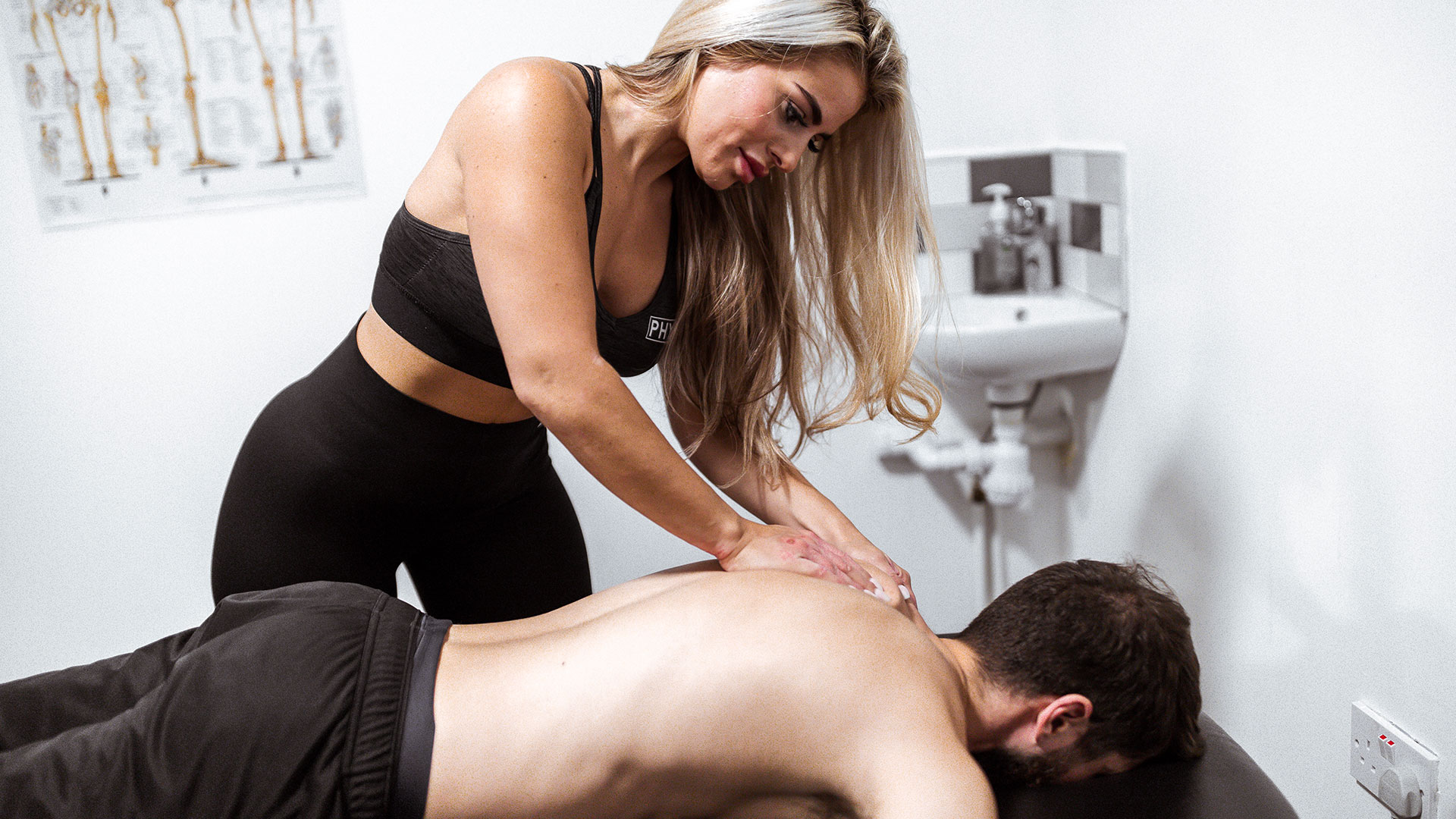
Physiotherapy typically begins with a thorough assessment to identify the root cause of pain and dysfunction. Expert physiotherapy clinics in London, such as those at One Body LDN, combine hands-on techniques like deep tissue massage with targeted exercise therapy to reduce pain and improve shoulder mobility. This holistic approach not only addresses the injury but also prevents future problems by correcting movement patterns and strengthening supporting muscles.
Rehab programs often include progressive strengthening exercises, stretching, and functional training to help patients return to daily activities and sports. Consistency and adherence to the prescribed plan are vital for successful recovery. Many patients notice pain relief and improved movement within the first few sessions, though complete rehabilitation may take several weeks to months depending on injury severity.
In addition to traditional physiotherapy, many rehabilitation programs are now incorporating advanced modalities such as ultrasound therapy and electrical stimulation. These techniques can enhance blood flow to the injured area, promote healing, and reduce inflammation.
Patients are often encouraged to engage in cross-training activities, such as swimming or cycling, which can maintain cardiovascular fitness while minimizing strain on the shoulder. This multifaceted approach not only aids in recovery but also empowers patients by keeping them active and engaged during their rehabilitation journey.
Moreover, the psychological aspect of recovery should not be overlooked. Many individuals experience frustration or anxiety during their rehabilitation process, especially if they are unable to participate in sports or activities they enjoy. Support groups or counseling can provide emotional support and motivation, helping patients to stay focused on their goals.
Incorporating mindfulness techniques, such as meditation or visualization, can also enhance the recovery experience by fostering a positive mindset and resilience in the face of challenges.
When Surgery Is Needed
While many rotator cuff injuries respond well to conservative treatment, surgery may be necessary in cases of large tears, persistent pain, or significant functional loss. Surgical repair aims to restore tendon integrity and shoulder stability, often followed by a structured rehabilitation program to maximize outcomes.
Recent advancements in orthopedic technology are enhancing surgical success rates. For instance, Atreon Orthopedics received clearance in early 2025 for its BioCharge Autobiologic Matrix, designed to improve the durability of rotator cuff repairs by promoting tissue healing and integration. This innovative approach utilizes biologics that harness the body’s own healing mechanisms, potentially reducing recovery time and improving overall surgical outcomes.
The decision to proceed with surgery depends on various factors, including tear size, patient age, activity level, and response to non-surgical treatment. Collaboration between orthopedic surgeons, physiotherapists, and patients ensures that the chosen approach aligns with individual goals and health status. For detail information see the blog shoulder pain after surgery relief.
Additionally, preoperative assessments often include imaging studies, such as MRI or ultrasound, to provide a detailed view of the injury, helping surgeons tailor their approach to each unique case.
Post-surgery, patients typically engage in a carefully monitored rehabilitation program that may include physical therapy, strength training, and gradual return to daily activities. This rehabilitation phase is crucial, as it not only aids in restoring range of motion but also helps prevent future injuries.
The integration of advanced techniques, such as minimally invasive arthroscopic surgery, can further enhance recovery by reducing tissue damage and promoting quicker healing times, allowing patients to return to their favorite activities sooner.
FAQ
What are the early signs of a rotator cuff injury?
Early symptoms often include shoulder pain, especially when lifting the arm, weakness, and limited range of motion. Pain may worsen at night or with overhead activities. Additionally, some individuals may experience a sensation of clicking or popping in the shoulder joint during movement, which can be indicative of underlying issues with the rotator cuff. It’s crucial to pay attention to these signs, as early intervention can significantly improve recovery outcomes.
Can rotator cuff injuries heal without surgery?
Many partial tears and mild injuries improve with physiotherapy, rest, and anti-inflammatory measures. However, full-thickness tears or severe symptoms may require surgical intervention. Non-surgical treatments often involve a combination of physical therapy exercises designed to strengthen the shoulder muscles and improve flexibility. Patients may also benefit from modalities such as ultrasound therapy or electrical stimulation, which can help reduce pain and promote healing in the affected area.
How long does rehabilitation take after a rotator cuff injury?
Rehab duration varies but typically ranges from 6 weeks to several months. Consistent specialist shoulder back pain physiotherapy and adherence to exercises are critical for optimal recovery. During rehabilitation, patients are often guided through a structured program that gradually increases in intensity, focusing first on passive range of motion before progressing to active strengthening exercises. The timeline for recovery can also be influenced by the individual’s age, overall health, and the severity of the injury, making personalized rehabilitation plans essential for effective healing.
Is rotator cuff injury common in older adults?
Yes, rotator cuff tears affect 25% of people over 60 and up to 50% of those over 80, often due to degenerative changes in the tendons. These changes can be exacerbated by factors such as prolonged inactivity or certain medical conditions like diabetes.
Older adults may also experience a decrease in muscle mass and strength, which can further compromise shoulder stability and increase the risk of injury. Understanding these risks can help in developing preventive strategies tailored for older populations.
What treatments are available for rotator cuff tears?
Treatment options include physiotherapy, pain management, regenerative therapies, and surgery. Individualized care plans are essential for effective treatment. In addition to traditional methods, some patients explore alternative therapies such as acupuncture or massage therapy, which may provide additional relief and support the healing process.
Furthermore, advancements in regenerative medicine, such as platelet-rich plasma (PRP) injections, are gaining popularity as they aim to enhance the body’s natural healing capabilities, potentially reducing recovery time and improving outcomes.
How can I prevent rotator cuff injuries?
Maintaining shoulder strength and flexibility, practicing good posture, and avoiding repetitive overhead strain can help reduce the risk of injury. Incorporating a balanced exercise routine that includes strength training, stretching, and aerobic activities can significantly enhance shoulder health.
Additionally, being mindful of ergonomics during daily activities, such as adjusting workstations or using proper lifting techniques, can further protect the shoulder joint from undue stress and strain. Regular check-ins with a shoulder back pain specialist physical therapist can also be beneficial for those at higher risk, ensuring that any potential issues are addressed before they lead to injury.
Start Your Journey to Recovery with One Body LDN
If you’re struggling with a rotator cuff injury or want to ensure optimal shoulder health, One Body LDN is here to help. Voted as the best London physio clinic by thousands, our award-winning team of physiotherapy experts is skilled in treating a wide range of conditions, from sports injuries to post-operative care. We’re dedicated to fixing the root cause of your problem with expert assessments and personalized rehab plans. Don’t let your symptoms escalate; book your free initial assessment at our clinic today and experience instant pain relief without the worry of being oversold treatments. We’re results-based and insurance-friendly, making your path to recovery seamless and hassle-free. Let us help you feel amazing again!
References
- Penn State University: Researchers awarded $23M grant to enhance understanding of rotator cuff injury
- Public perceptions of rotator cuff tears
- 2024 study on individualized rehab plans – ScienceDaily / New England Journal of Medicine
- BioCharge Autobiologic Matrix for rotator cuff repair – The Global Tribune
