


Main Takeaways
- Walking loads the knee heavily; extra body weight multiplies joint stress.
- Common drivers: osteoarthritis, poor gait mechanics, weak support muscles, and footwear.
- Gait retraining and strength work reduce pain and may slow cartilage wear.
- Moderate walking can lower new frequent knee pain in older adults with OA.
- See a physiotherapist if pain persists, limits activity, or alters your walking pattern.
Knee pain is a common complaint among older adults and active individuals alike, often triggered or worsened by walking. In the United States, for instance, approximately 18.1% of men and 23.5% of women aged 60 years and older report significant knee pain. Understanding the causes, prevention strategies, and treatment options for walking-related knee pain is essential for maintaining mobility and quality of life. If you’re comparing care options, evidence-based knee pain treatment in London can help you stay active while reducing pain.
Walking is a fundamental activity, but it can impose considerable stress on the knee joints. Each additional pound of body weight can translate into four pounds of pressure on the knees during walking, amplifying discomfort and potential damage. Fortunately, advances in physiotherapy and gait retraining offer promising avenues for relief and recovery.
Causes of Walking-Related Knee Pain
Walking-related knee pain can stem from several underlying causes, often linked to joint wear, injury, or biomechanical imbalances. One of the most prevalent conditions is knee osteoarthritis, where cartilage deterioration leads to pain, stiffness, and reduced mobility. The repetitive loading of the knee joint during walking is a significant contributor to this degeneration.

A systematic review of 183 studies highlighted that walking exerts the greatest load on the knee joint compared to other daily activities such as stair climbing and sit-to-stand movements. This high joint loading can exacerbate pain and accelerate cartilage wear in susceptible individuals, especially those with osteoarthritis.
Excess body weight is another critical factor. According to expert insights, every extra pound of body weight increases knee stress by four pounds during walking, intensifying pain and joint damage risk. This biomechanical strain can lead to inflammation, muscle fatigue, and altered gait patterns, further aggravating knee discomfort.
Recent research has also identified gait abnormalities as a cause of knee pain. A study published in August 2025 found that subtle changes in foot angles during walking—known as gait retraining—can significantly reduce knee pain and potentially slow cartilage damage in people with knee osteoarthritis. This suggests that how one walks can be as important as how much one walks.
In addition to these factors, age plays a significant role in the development of knee pain. As individuals age, the natural wear and tear on the joints can lead to conditions such as tendinitis or bursitis, which can also contribute to discomfort during walking. Furthermore, the decline in muscle strength and flexibility that often accompanies aging can exacerbate knee issues, making it even more crucial for older adults to engage in appropriate exercises that promote joint health and stability.
Another often-overlooked aspect is the impact of footwear on knee pain. Poorly designed shoes or those lacking adequate support can alter a person’s walking mechanics, leading to increased stress on the knees. A study conducted in 2023 emphasized the importance of wearing supportive footwear, particularly for individuals with existing knee problems, as it can help in redistributing forces away from the knee joint and improve overall walking comfort.
For those experiencing persistent knee pain, it is crucial to consider these factors and seek a thorough assessment to identify the specific causes and tailor appropriate interventions.Learn more about the impact of walking on knee health from the systematic review on knee loading and joint pain.
Prevention Strategies
Preventing knee pain related to walking involves a combination of lifestyle adjustments, weight management, and biomechanical optimization. Maintaining a healthy body weight is paramount, as reducing excess pounds can dramatically decrease the stress placed on the knees during walking. For instance, studies have shown that losing just 5-10% of body weight can lead to significant improvements in knee function and pain levels, making it easier to engage in daily activities without discomfort.

In addition to weight control, regular low-impact exercise such as walking itself can be protective. A 2022 study demonstrated that walking for exercise reduced the incidence of new frequent knee pain among adults aged 50 and older with knee osteoarthritis, suggesting that consistent, moderate walking may slow joint damage progression.
This is particularly important as it not only helps maintain joint mobility but also enhances overall cardiovascular health, which is crucial for sustaining an active lifestyle.
However, the key lies in how walking is performed. Gait retraining, which involves slight modifications to foot placement and walking mechanics, has been shown to reduce knee pain effectively. This method helps redistribute forces within the knee joint, alleviating pressure on vulnerable areas and potentially preserving cartilage health. Techniques such as focusing on a midfoot strike rather than a heel strike can significantly alter the impact forces on the knee, leading to a more efficient and pain-free walking experience.
Environmental factors also play a role. Research on neighborhood walkability indicates that older adults who walk longer durations—over 60 minutes daily—tend to have better knee health outcomes.
Creating accessible, safe walking environments encourages more frequent and longer walks, contributing to joint health. Urban planning that prioritizes pedestrian pathways, parks, and recreational areas can foster a culture of walking, making it easier for individuals to incorporate this beneficial activity into their daily routines.
For those with existing knee pain or risk factors, consulting with a professional knee pain physiotherapist can provide personalized advice on gait adjustments, strengthening exercises, and safe walking routines to prevent pain exacerbation.
Physiotherapists can also introduce patients to balance and flexibility exercises that enhance overall joint stability, further decreasing the likelihood of injury. Incorporating tools like resistance bands or stability balls can add variety to rehabilitation programs, making them more engaging and effective.
Explore expert perspectives on how gait retraining offers hope for knee osteoarthritis sufferers at this insightful article. Additionally, consider the importance of community support groups that can provide motivation and shared experiences, making the journey towards pain-free walking a more communal and encouraging endeavor.
Treatment and Recovery
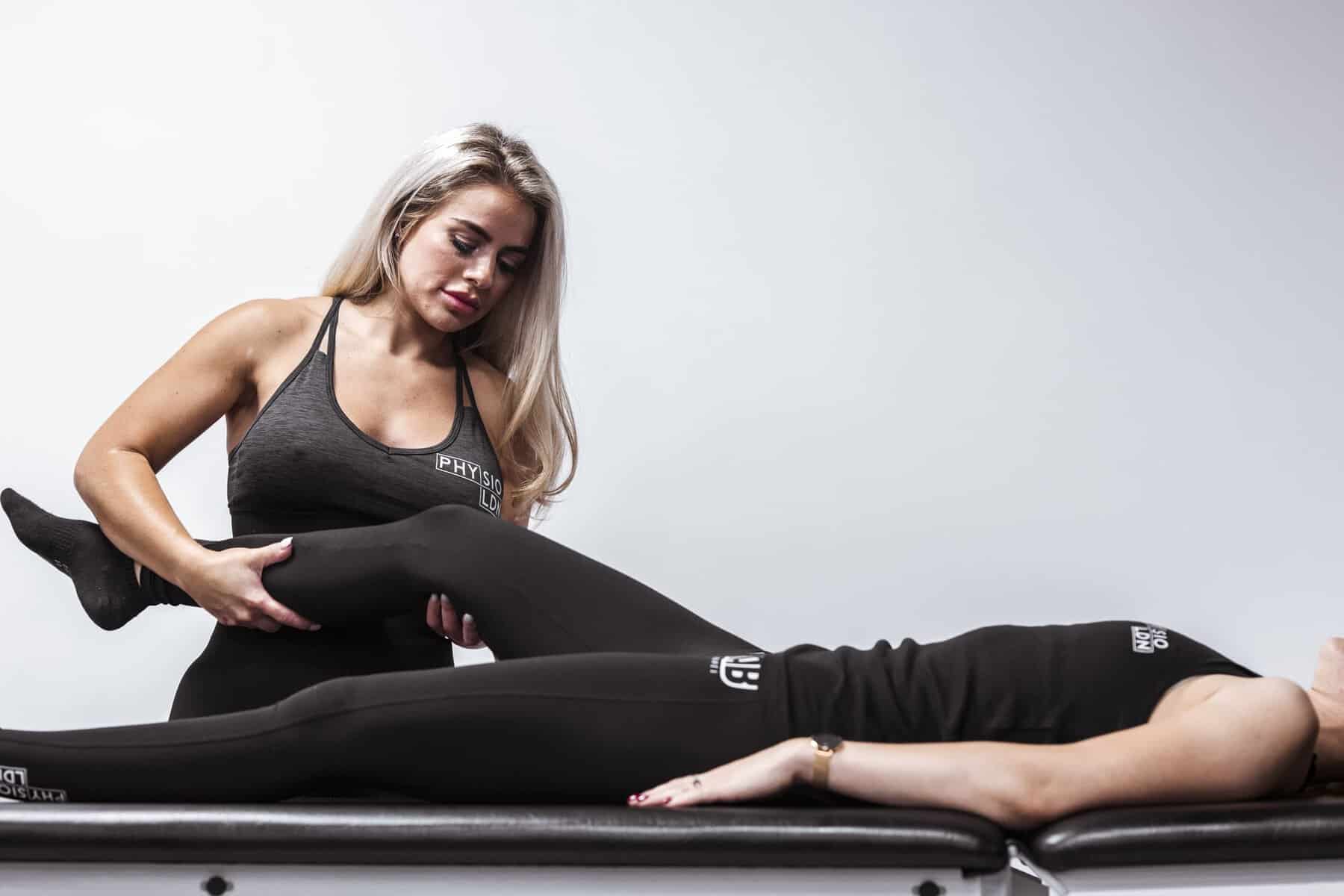
When knee pain from walking becomes persistent or severe, professional treatment is often necessary. Physiotherapy is a cornerstone of effective management, combining manual therapy, exercise rehabilitation, and education to restore function and reduce pain.
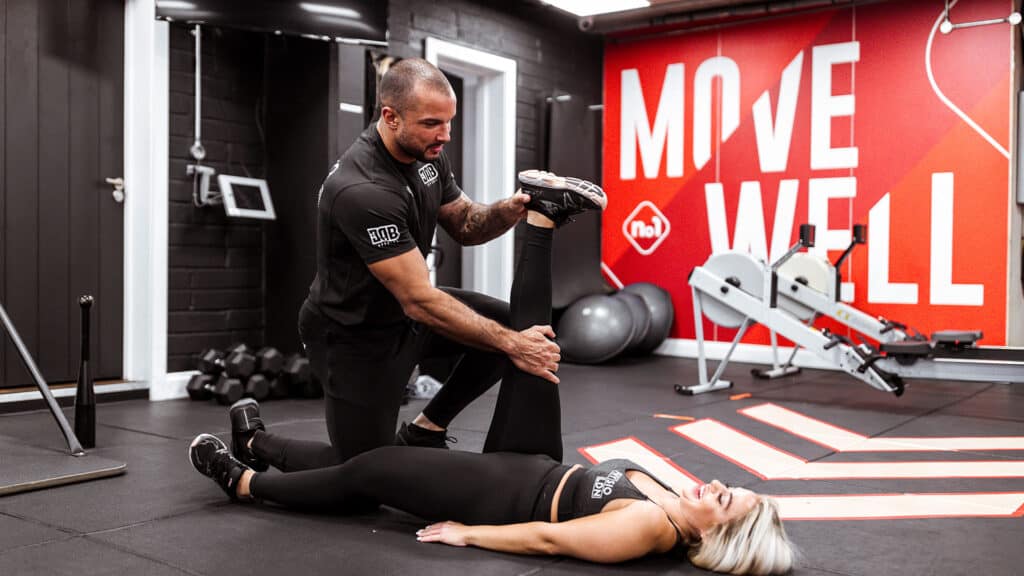
Leading London physiotherapy clinics, such as One Body LDN, offer specialized care for knee pain, including musculoskeletal physiotherapy and post-operative rehabilitation. Their therapists undergo extensive training—over five times the required regulatory amount—ensuring expert assessment and treatment tailored to individual needs.
Treatment typically begins with a thorough assessment to identify pain sources and biomechanical issues. Hands-on techniques like deep tissue massage and joint mobilization help alleviate muscle tightness and improve joint mobility. Alongside manual therapy, physiotherapists prescribe bespoke exercise programs aimed at strengthening muscles around the knee, enhancing stability, and correcting movement patterns.
For knee osteoarthritis, gait retraining is increasingly incorporated into rehabilitation plans. Adjusting walking mechanics can reduce joint loading and pain, as supported by recent studies. This approach, combined with weight management and targeted exercises, can slow cartilage deterioration and improve long-term outcomes.
Sports massage is another valuable adjunct, helping to release muscle tension and improve circulation, which supports recovery and pain relief. London’s award-winning sports massage clinics provide deep tissue treatments that complement physiotherapy efforts.
Patients benefit from clinics that offer transparent pricing, non-commissioned staff, and a no-risk service guarantee, ensuring ethical, client-centered care without pressure to oversell treatments.
In addition to traditional physiotherapy, innovative treatments such as ultrasound therapy and electrical stimulation are gaining traction. These modalities can enhance tissue healing and reduce inflammation, providing patients with a multifaceted approach to recovery. Moreover, the integration of technology, such as wearable devices that track movement and provide real-time feedback, is revolutionizing how therapists monitor progress and adjust treatment plans accordingly.
Furthermore, education plays a vital role in the recovery process. Patients are encouraged to understand their condition, learn about pain management strategies, and adopt lifestyle changes that promote joint health. Workshops and informational sessions offered by clinics can empower individuals to take an active role in their recovery, fostering a sense of independence and confidence in managing their knee pain.
If you’re in London, working with specialist London knee pain physiotherapists ensures your plan is evidence-based, progressive, and aligned with your walking goals.
FAQ
What causes knee pain when walking?
Knee pain during walking is often caused by joint conditions like osteoarthritis, excess body weight increasing joint stress, muscle imbalances, or abnormal walking patterns. Repetitive loading of the knee joint can lead to cartilage wear and inflammation. Additionally, injuries such as ligament tears or meniscus damage can exacerbate pain, particularly if the knee has previously been injured. Factors such as age, previous injuries, and even certain occupations that require prolonged standing or heavy lifting can contribute to the onset of knee pain.
Can walking make knee osteoarthritis worse?
While walking increases knee joint loading, moderate walking has been shown to reduce new frequent knee pain and may slow joint damage in osteoarthritis patients. Proper gait and strength training are important to prevent worsening symptoms. It’s essential to listen to your body; if pain increases during or after walking, it may be beneficial to adjust the intensity or duration of your walks. Incorporating low-impact activities, such as swimming or cycling, can also provide cardiovascular benefits without putting excessive strain on the knees.For detail information see the blog knee pain from cycling: causes, prevention & treatments.
How does body weight affect knee pain?
Every additional pound of body weight adds approximately four pounds of stress on the knees during walking, significantly increasing the risk of pain and joint damage. This relationship highlights the importance of maintaining a healthy weight not just for overall health, but specifically for joint health. Weight loss can lead to a reduction in knee pain and improvement in function, making it easier for individuals to engage in physical activity, which is crucial for maintaining joint mobility and strength.
What is gait retraining and how does it help knee pain?
Gait retraining involves adjusting foot angles and walking mechanics to reduce knee joint stress. Studies show it can significantly reduce knee pain and slow cartilage damage, especially in osteoarthritis. This process may include using visual feedback or wearable technology to help individuals become more aware of their walking patterns. By focusing on proper biomechanics, gait retraining not only alleviates pain but can also enhance overall stability and balance, reducing the risk of falls and further injuries.
When should I see a physiotherapist for knee pain?
If knee pain persists, limits your activities, or worsens with walking, consulting a physiotherapist is advisable. They can assess your condition, provide hands-on treatments, prescribe exercises, and guide gait modifications. Early intervention is key; addressing issues before they become chronic can lead to better outcomes. A physiotherapist may also educate you on self-management strategies, including the use of ice, elevation, and appropriate footwear, to help manage symptoms effectively.
Is sports massage effective for knee pain?
Sports massage can relieve muscle tightness around the knee, improve circulation, and support recovery. It is often used alongside physiotherapy for comprehensive knee pain management. This type of massage focuses on the muscles and connective tissues surrounding the knee, helping to alleviate tension that may contribute to pain. Furthermore, regular sports massage can enhance flexibility and range of motion, which are critical for maintaining an active lifestyle and preventing future injuries.
Are private physiotherapy sessions better than NHS for knee pain?
Private physiotherapy often offers longer, more personalized sessions with highly trained therapists, potentially leading to faster and more effective recovery compared to NHS services with shorter appointments and longer wait times. Patients in private settings may benefit from more tailored treatment plans that address their specific needs and goals, including access to advanced therapeutic techniques and technologies that may not be available in NHS facilities.
Can walking longer distances help prevent knee pain?
Walking regularly, especially for durations over 60 minutes as part of a safe and comfortable routine, is linked to better knee health and may prevent or reduce knee pain in older adults. Gradually increasing walking distances can help strengthen the muscles around the knee joint, improving stability and function. Moreover, walking in varied terrains, such as parks or nature trails, can enhance the experience, making it not only beneficial for the knees but also enjoyable for mental well-being.
For expert physiotherapy care in London, clinics like One Body LDN provide award-winning treatment and rehabilitation services tailored to knee pain and walking-related issues. Their team of specialists focuses on creating individualized programs that incorporate the latest research and techniques to ensure optimal recovery and long-term joint health.
Take the First Step Towards Pain-Free Walking
Don’t let knee pain from walking hold you back any longer. At One Body LDN, voted as the best London physio clinic by thousands, we understand the importance of addressing the root cause of your discomfort. Our expert physiotherapists specialize in musculoskeletal issues, sports injuries, and post-operative care, ensuring personalized treatment plans that blend exercise rehab with deep tissue massage. Whether you’re dealing with a gym injury, chronic pain, or recovering from surgery, we’re here to provide instant relief and prevent long-term symptoms. With our award-winning team, including former athletes and NHS specialists, you’re in excellent hands. Book your free initial assessment at our clinic today and experience the One Body LDN difference, where results matter and treatments are never oversold. Schedule your visit now and take the first step towards a life free of knee pain.
References
- Systematic Review of Knee Joint Loading Across Daily Activities (PubMed)
- Gait Retraining to Reduce Knee Pain and Cartilage Load in OA (2025 study)
- Walking for Exercise Reduces New Frequent Knee Pain in OA (2022)
- Neighborhood Walkability and Knee Health Outcomes in Older Adults (PMC)
- Body Weight and Knee Joint Load: “4:1” Stress Ratio (Harvard Health)
- NHS – Knee Pain Overview
- Comprehensive Guide to Knee Pain Management (PubMed)
