



Main Takeaways
- Knee pain in late pregnancy is common (up to ~63%) due to weight gain, ligament laxity, and altered gait/loading.
- Good diagnosis = history, exam, and targeted imaging only when needed; prioritize red flags (swelling, locking, trauma).
- First-line care: prenatal-safe activity (swimming, cycling, prenatal yoga), physiotherapy (strength, mobility, pelvic/core), and supportive devices/orthotics.
- Lifestyle tweaks—weight management, footwear, activity pacing, sleep/mental-health support—reduce flare-ups and improve function.
- Medications are limited in pregnancy; escalate to specialist referral only for persistent disability, instability, or suspected structural injury.
Knee pain is a common and often overlooked complaint among pregnant women, especially during the later stages of pregnancy. Studies indicate that as many as 62.6% of women in their third trimester experience knee pain, highlighting how prevalent this issue is during pregnancy (International Journal of Pharmaceutical and Biological Science Archive). This discomfort can affect daily activities, mobility, and overall quality of life, making it an important topic for expectant mothers and healthcare providers alike.
Understanding why knee pain occurs during pregnancy, how to safely manage it, and what treatment options are available can empower women to maintain an active and healthy pregnancy. This article explores the causes, safe exercises, and effective treatment strategies to help manage knee pain during this special time. For local care pathways, consider knee pain treatment in London.
Why Pregnant Women Experience Knee Pain
Pregnancy brings about numerous physiological changes that can contribute to knee pain. One of the primary reasons is the increased body weight that occurs as the baby grows. Research published in Thrombosis and Haemostasis confirms that weight gain during pregnancy is strongly associated with a higher incidence of knee pain, as the joints bear more load than usual (PubMed).
Additionally, hormonal changes during pregnancy cause ligament laxity, meaning the ligaments around the knee become more flexible and less stable. This instability can lead to discomfort and pain, especially when combined with increased joint loading. A study in The Journal of Women’s & Pelvic Health Physical Therapy highlights how pregnant women experience greater lower extremity joint loading, which may exacerbate knee pain .
Other risk factors include a history of knee problems, younger maternal age, and higher body mass index (BMI), as identified in research from The Journal of Bone and Joint Surgery. High activity levels during pregnancy can also increase the risk of knee dysfunction (JBJS).
Moreover, knee pain during pregnancy is not just a discomfort issue; it can influence pregnancy outcomes. A systematic review published in the European Journal of Obstetrics & Gynecology and Reproductive Biology found that pregnant women experiencing musculoskeletal pain, including knee pain, have a 59% higher likelihood of delivering via cesarean section compared to those without such pain (PubMed).
Furthermore, the biomechanical changes that occur during pregnancy can lead to altered gait patterns, which may further contribute to knee pain. As the center of gravity shifts due to the growing belly, many women unconsciously adjust their walking style to maintain balance. This can place additional strain on the knees and other joints, leading to discomfort.
A study published in Clinical Biomechanics emphasizes the importance of understanding these changes, as they can provide insight into effective management strategies for knee pain during pregnancy.
Additionally, the psychological aspects of pregnancy can also play a role in how women perceive and cope with pain. Stress and anxiety, which are common during this period, can heighten the experience of pain, making it feel more intense.
Research in Psychosomatic Medicine suggests that addressing mental health during pregnancy is crucial, as it can have a direct impact on physical symptoms, including knee pain. By integrating mental health support with physical care, healthcare providers can offer a more holistic approach to managing discomfort during this transformative time (Psychosomatic Medicine).
Safe Exercises
Maintaining physical activity during pregnancy is essential, but it must be done safely, especially when dealing with knee pain. Gentle, low-impact exercises can help strengthen the muscles around the knee, improve joint stability, and reduce pain.
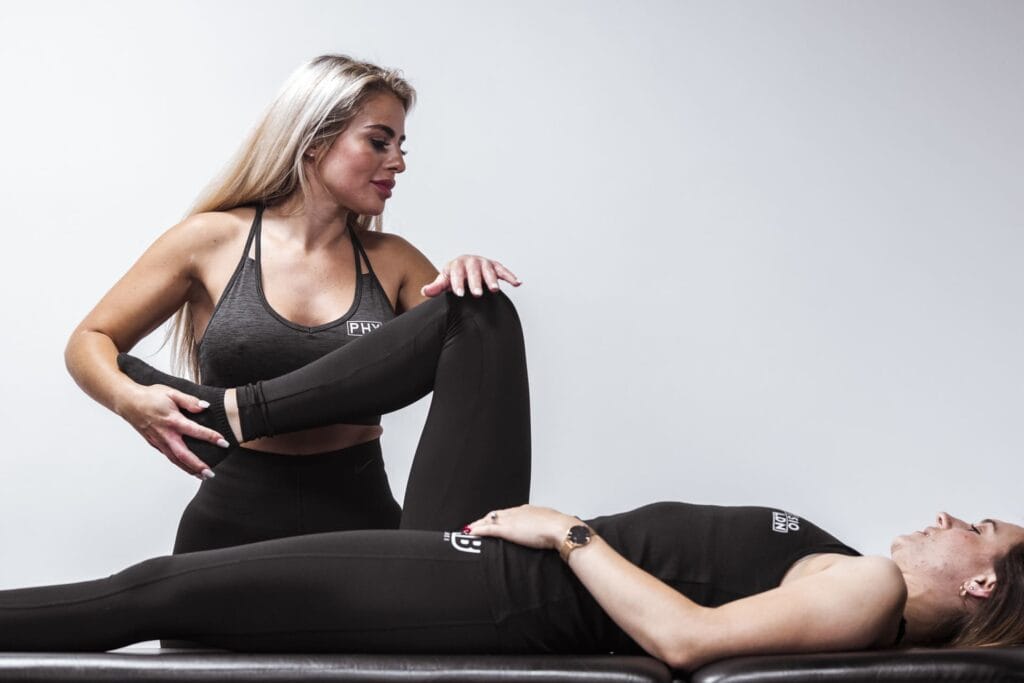
Knee pain physical therapy experts recommend exercises such as swimming, stationary cycling, and prenatal yoga, which minimize joint stress while promoting flexibility and strength. Strengthening the quadriceps and hamstrings is particularly beneficial, as these muscles support knee function. Additionally, incorporating exercises that focus on the core and pelvic floor can provide further stability, which is crucial as the body undergoes changes during pregnancy. Engaging in activities like pelvic tilts or gentle squats can help maintain proper alignment and alleviate some of the strain on the knees.
Pregnant athletes or those accustomed to higher activity levels can benefit from tailored exercise programs. According to Mass General Brigham, physical therapy that includes manual therapy and specific exercises can effectively manage anterior knee pain during pregnancy, enabling women to stay active safely.
These customized programs often take into account individual fitness levels and any specific concerns, ensuring that each woman can engage in safe practices that align with her personal goals and comfort. Furthermore, incorporating mindfulness techniques, such as deep breathing and visualization during exercise, can enhance relaxation and reduce stress, making the experience more enjoyable.
It is important to avoid high-impact activities or exercises that cause pain or discomfort. Consulting with a physiotherapist experienced in prenatal care can ensure exercises are appropriate and beneficial. Additionally, staying hydrated and listening to your body’s signals are key components of a safe exercise routine during pregnancy.
As the body changes, what feels comfortable can shift, so being attuned to these changes can help prevent injury and promote a positive exercise experience. Engaging in regular check-ins with healthcare providers can also provide reassurance and guidance as you navigate your fitness journey during this transformative time. For detail information see the blog knee pain: exercises to avoid & safer alternatives .
Treatment Options
When knee pain during pregnancy becomes persistent or severe, professional treatment may be necessary. Physiotherapy is a highly effective approach, combining hands-on techniques with exercise rehabilitation to address pain and improve function.
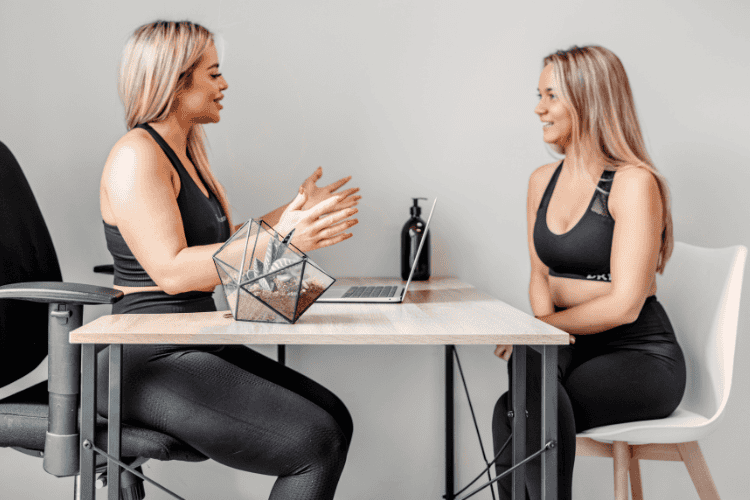
London’s leading physiotherapy clinics, such as One Body LDN, offer specialised care for musculoskeletal conditions including knee pain. Their expert physiotherapists provide thorough assessments and bespoke treatment plans that blend deep tissue massage, joint mobilisations, and tailored exercise programs to reduce pain and restore mobility. These services are delivered by specialist London knee pain physiotherapists.
Deep tissue sports massage can also help by releasing muscle tightness and improving circulation around the knee joint. This approach is supported by research and clinical practice, which show that combining manual therapy with exercise rehab leads to better outcomes. Additionally, physiotherapists may incorporate modalities such as ultrasound therapy or electrical stimulation, which can further enhance pain relief and promote healing in the affected areas.
For some women, using supportive devices such as knee braces or orthotics may provide additional relief by stabilising the joint and reducing strain. These devices are designed to offer extra support, particularly during activities that may exacerbate knee pain, such as walking or standing for extended periods. Custom-fitted orthotics can also help in correcting any underlying biomechanical issues that may contribute to discomfort.
It is crucial to avoid medications that may harm the fetus unless prescribed by a healthcare provider. Non-pharmacological treatments like physiotherapy and exercise are preferred first-line options. Gentle exercises, such as swimming or prenatal yoga, can also be beneficial, as they promote flexibility and strength without putting undue stress on the joints.
Early intervention is key to preventing chronic pain and functional limitations. Pregnant women experiencing knee pain are encouraged to seek professional assessment promptly to receive personalised care and avoid complications. Alongside physiotherapy, maintaining a healthy weight during pregnancy can also alleviate excess pressure on the knees, making it an important consideration for overall joint health.
FAQ
Is knee pain during pregnancy normal?
Yes, knee pain is common, especially in the third trimester, affecting over 60% of pregnant women. It results from weight gain, hormonal changes, and increased joint loading. As the body undergoes these transformations, the center of gravity shifts, which can lead to altered biomechanics and increased stress on the knees. This discomfort can vary in intensity and may be accompanied by swelling or stiffness, making it essential for expectant mothers to monitor their symptoms closely.
What causes knee pain during pregnancy?
Knee pain is caused by increased body weight, ligament laxity due to pregnancy hormones, joint instability, and sometimes previous knee injuries or high activity levels. The hormone relaxin, which is released during pregnancy, helps to loosen ligaments in preparation for childbirth, but it can also contribute to joint instability. Additionally, the additional weight can place excessive strain on the knees, particularly if the woman is engaging in activities that put further stress on these joints. It is important to understand these factors to manage pain effectively.
Can I exercise if I have knee pain while pregnant?
Yes, but it is important to choose low-impact, safe exercises like swimming, stationary cycling, or prenatal yoga. Consulting a physiotherapist can help tailor a safe exercise program. Gentle stretching and strengthening exercises can also be beneficial, as they help to maintain muscle tone and improve joint stability. Additionally, incorporating activities that promote relaxation, such as mindfulness or breathing exercises, can provide relief from discomfort and enhance overall well-being during pregnancy.
When should I see a physiotherapist for knee pain during pregnancy?
If knee pain is persistent, worsening, or limiting your daily activities, seeing a physiotherapist early can help manage symptoms effectively and prevent long-term issues. Early intervention is key, as a physiotherapist can provide guidance on proper body mechanics and recommend modifications to daily activities. They may also suggest specific exercises to strengthen the muscles around the knee, which can alleviate pressure on the joint and promote better function throughout pregnancy.
Are there any risks to the baby from treating knee pain during pregnancy?
Non-pharmacological treatments like physiotherapy and exercise are safe and beneficial for both mother and baby. Always consult your healthcare provider before starting any new treatment. It is crucial to ensure that any treatment plan is tailored to the individual’s needs and that it prioritizes safety for both the mother and the developing fetus. Techniques such as gentle manual therapy and specific exercises can enhance mobility and reduce pain without posing risks.
Can knee pain during pregnancy affect delivery?
Yes, research shows that musculoskeletal pain, including knee pain, is associated with a higher chance of cesarean delivery, emphasizing the importance of managing pain during pregnancy. Women experiencing significant discomfort may find it challenging to engage in physical activity, which can lead to decreased fitness levels. This lack of fitness can impact stamina during labor, potentially influencing the mode of delivery. Therefore, addressing knee pain proactively can contribute to a more positive birth experience.
What are some effective treatments for knee pain in pregnancy?
Physiotherapy, including manual therapy and exercise rehabilitation, deep tissue massage, and supportive devices like knee braces, are effective treatment options. Additionally, applying heat or cold therapy can provide temporary relief from pain and inflammation. Women may also benefit from using supportive footwear and avoiding high heels to reduce strain on their knees. Each treatment plan should be individualized, taking into account the specific needs and comfort levels of the pregnant woman.
Is it safe to take pain medication for knee pain during pregnancy?
Medications should only be taken under medical advice during pregnancy. Non-drug treatments are preferred to avoid risks to the fetus. If pain relief is necessary, healthcare providers may recommend certain medications that are considered safer during pregnancy, but these should be approached with caution. It is essential for pregnant women to have open discussions with their healthcare team about any medications they are considering, ensuring that both maternal and fetal health are prioritized.
Can previous knee injuries increase the risk of knee pain during pregnancy?
Yes, women with prior knee injuries have a higher risk of experiencing knee pain while pregnant, especially if they continue high-impact activities like running (BMC Pregnancy and Childbirth). The history of injury can lead to chronic instability or weakness in the joint, making it more susceptible to pain during the physical changes of pregnancy. Understanding this connection can help women make informed decisions about their activity levels and seek appropriate preventive measures.
How can I find expert physiotherapy care in London for knee pain during pregnancy?
Clinics like One Body LDN in London offer specialised physiotherapy services with highly trained clinicians experienced in managing pregnancy-related musculoskeletal pain. They provide thorough assessments and personalised treatment plans (One Body LDN). Additionally, many clinics offer group classes focused on prenatal wellness, which can provide a supportive environment for expectant mothers to share their experiences and learn effective coping strategies for managing pain and discomfort during this transformative time.
Start Your Journey to Pain-Free Pregnancy with One Body LDN
If you’re struggling with knee pain during your pregnancy, don’t let it diminish the joy of this special time. One Body LDN, voted as the best London physio clinic by thousands, is here to support you. Our award-winning team of physiotherapy experts specializes in musculoskeletal conditions and is dedicated to fixing the root cause of your problem. With our expert assessments and tailored rehab plans, we ensure that your symptoms don’t become long-term issues. Book your free initial assessment today and experience instant pain relief with our precise diagnosis and treatment plans. At One Body LDN, we’re committed to getting you back to feeling amazing, without overselling treatments. We’re results-based and ready to help you navigate through your pregnancy with ease and comfort.
References
