

Deep Tissue Sports Massage: Complete Guide to Recovery, Performance & Pain Relief
Reviewed and written by the clinical team at One Body LDN | HCPC‑registered physiotherapists and qualified sports massage therapists
What is Deep Tissue Sports Massage?
Deep tissue sports massage is a targeted, evidence‑informed hands‑on treatment that focuses on the deeper layers of muscle, fascia, and connective tissue to relieve pain, reduce tightness, and support recovery and performance. Unlike a spa massage that focuses purely on relaxation, deep tissue sports massage is clinical and goal‑driven. The aim is not just for you to feel better for an hour, but to change tissue quality, restore healthy movement, and support long‑term resilience in how you train, work, and live.
At a high‑quality clinic, deep tissue sports massage is delivered by properly trained professionals and, where appropriate, integrated with physiotherapy, strength and conditioning, and smart training load management. It should always be tailored to your body, your sport, and your goals.
Who Is Deep Tissue Sports Massage For?
Active People and Athletes
Deep tissue sports massage is suitable for:
- Runners and endurance athletes – 5K, 10K, half marathon, marathon, triathlon, cycling, rowing
- Strength and power athletes – regular gym‑goers, CrossFit, powerlifting, Olympic lifting, bodybuilding
- Team and racket sports players – football, rugby, netball, basketball, tennis, squash, hockey
These groups often develop specific patterns of tightness and overuse – for example tight calves and hamstrings in runners, hip and shoulder tightness in lifters, or neck and upper back tension in contact sports.
Workers and Everyday Life
- An office or remote worker with persistent neck, shoulder, and lower back tension from long hours at a desk
- A manual worker or tradesperson doing repetitive lifting, bending, carrying, or overhead tasks
- Someone with long‑standing muscular tightness or recurring “niggles” that limit training or daily activities
Common Reasons People Seek Deep Tissue Sports Massage
People commonly book deep tissue sports massage for:
- Tight hamstrings, quads, calves or glutes that keep coming back despite stretching
- Hip flexor and lower back tightness linked to sitting or heavy training
- Upper back, neck, and shoulder tension, sometimes associated with headaches
- IT band, hip, and outer thigh tightness in runners and cyclists
- Heavy, fatigued legs in the middle of demanding training blocks
- A history of recurrent muscle strains that never feel “100%” despite rest
If you are unsure whether deep tissue sports massage or physiotherapy is more appropriate, a good clinic will help you decide and refer you for a formal assessment when needed.
Deep Tissue vs Sports Massage vs Relaxation Massage
These terms are often confused online, but they are not identical. Clarifying the differences helps both users and search engines understand what you actually offer
Deep Tissue Massage
- Slow, firm, sustained pressure
- Specific techniques targeting tight, fibrotic, or overworked areas
- Precision work along and across muscle fibres and fascial lines
The primary aim is to reduce stubborn tension, improve tissue quality, and restore movement, especially in areas that standard or lighter massage cannot reach effectively
Sports Massage
Sports massage is designed around athletes and active people. It often includes:
- Elements of deep tissue work
- More dynamic techniques, such as faster flushing strokes and pre‑event routines
- Passive and assisted stretching
- Focus on the muscles and movement patterns most involved in a particular sport or event
The goal is to prepare the body for sport, support post‑event recovery, and reduce injury risk.
Relaxation (Swedish) Massage
Relaxation massage is primarily aimed at reducing stress and promoting general relaxation, rather than targeting specific musculoskeletal problems. It typically uses:
- Lighter, more soothing strokes
- Techniques designed to calm the nervous system and reduce overall tension
While it can feel excellent, it is not structured around performance, specific injuries, or sports‑related demands.
How Deep Tissue Sports Massage Fits In
A deep tissue sports massage combines the depth and precision of deep tissue work with the sport‑specific focus of sports massage. It is firm and focused, but always adjusted to your comfort and tailored to your training, work, and lifestyle.
How Deep Tissue Sports Massage Works
Deep tissue sports massage creates change through overlapping mechanical, circulatory, neurological, and psychological pathways.
Mechanical Effects
Deep tissue techniques can:
- Help reduce adhesions and restrictions between muscle and fascia
- Improve tissue extensibility and overall flexibility around joints
- Decrease local muscle stiffness, making movements feel smoother and less effortful
By improving how tissues slide and lengthen, you often notice gains in movement quality as well as comfort.
Circulatory and Recovery Effects
- Increase local circulation to hard‑working muscles
- Support the removal of metabolic by‑products from intense training
- Reduce the intensity or duration of post‑exercise muscle soreness when sessions are placed strategically around training
Neurological and Pain‑Modulating Effects
The nervous system strongly influences how tight and painful muscles feel. Deep tissue sports massage can:
- Reduce excessive muscle tone by influencing the nervous system’s output
- Modulate the way the brain processes pain and sensitivity, especially in over‑protective tissues
- Encourage a shift towards a more relaxed, parasympathetic state, which supports healing, recovery, and sleep
Performance and Psychological Effects
On the performance side, deep tissue sports massage can help you:
- Feel looser, more mobile, and more prepared for training and competition
- Develop better body awareness, noticing where tension builds and how it links to your training, technique, or workplace habits
- Maintain confidence in your body, particularly when returning from injury or handling high training loads
Problems and Conditions
Deep Tissue Sports Massage Can Help With
Deep tissue sports massage is most effective for muscular and soft tissue issues. It can play a role in managing:
General muscle tightness and stiffness in the legs, hips, back, shoulders, and neck
Overuse and training‑related soreness, especially during high‑load phases
Recurring muscle strains that feel tight or weak even after rest
IT band, hip, and glute tightness affecting running or cycling form
Calf and Achilles tightness in runners and field athletes (alongside proper assessment and load management
Upper back, neck, and shoulder tension linked to desk work, lifting, or overhead sports
Pre‑event preparation and post‑event recovery for races, competitions, tournaments, and heavy strength blocks
When Deep Tissue Sports Massage Is Not Enough
Deep tissue sports massage does not replace medical or physiotherapy assessment when there are signs of more serious or complex problems. You should seek physiotherapy or medical advice first if you have:
- A new, significant injury with marked pain, swelling, or loss of function
- Suspected ligament, tendon, or joint injury
- Symptoms such as numbness, tingling, or weakness
- Pain that is getting worse despite rest
- Any red flag symptoms (for example, unexplained weight loss, severe night pain, systemic illness)
In these situations, massage is best used as a supporting treatment within a structured rehabilitation plan, not as the primary intervention.
What to Expect at a Deep Tissue Sports Massage Appointment?
A high‑quality deep tissue sports massage should feel like a structured, professional appointment, not a random routine.
Brief Consultation and Screening
Before any hands‑on treatment, your therapist should:
- Take a focused history of your sport, training, work, and general health
- Ask about current symptoms, injuries, and previous issues
- Clarify your priorities and goals for the session
- For example: heavy legs before an event, nagging tight hamstrings, maintaining performance during a block, or ongoing management around a previous injury
This information ensures the treatment is safe, targeted, and relevant.
Movement and Posture Check
Depending on your goals, you may be asked to perform simple movements, such as:
- Basic squats, hinges, or lunges
- Spinal and shoulder movements
- Single‑leg balance or calf raises
These quick checks help guide the therapist to the right muscles and movement patterns, rather than just working “everywhere” without a plan.
The Massage Session
During the session itself, you can expect:
- A focus on the key areas you use most in your sport or daily life
- Gradually increasing depth of pressure as tissues warm up
- A combination of techniques, including:
- Slow, deep strokes along and across muscle fibres
- Trigger point pressure on specific tender spots
- Myofascial techniques to address tight, restricted tissue
- Assisted stretching or muscle energy techniques, where appropriate
Pressure should always be adapted to your tolerance. Deep tissue work can be intense, but you should feel able to breathe, talk, and ask for adjustments at any time.
Aftercare and Recovery Guidance
At the end of your appointment, you should receive clear guidance on:
- What kind of post‑treatment soreness is normal and how long it may last
- Simple mobility or activation exercises to help maintain the benefits
- How to schedule future sessions around your training and competitions
- Whether further assessment (for example, with a physiotherapist) would be helpful
This transforms deep tissue sports massage from a one‑off “nice to have” into a planned part of your long‑term recovery and performance strategy.
How Often Should You Have Deep Tissue Sports Massage?
- Your training level and load
- Your injury history and current symptoms
- Your recovery capacity, including sleep, stress, and overall health
- During heavy training blocks or leading into major events, some athletes benefit from weekly or fortnightly sessions
- For maintenance and prevention, many people do well with a session every 3–6 weeks
- In early rehab after an injury, massage may be used more frequently for a short period as part of a structured plan from a physiotherapist or other clinician
Deep tissue sports massage is most effective when viewed as one part of a comprehensive recovery strategy, alongside sleep, nutrition, hydration, appropriate training progression, and any specific rehab exercises you have been given.
Deep Tissue Sports Massage vs Physiotherapy
People often wonder whether they should book physiotherapy or sports massage. In reality, they serve different but complementary roles. When Physiotherapy Should Come First

When Physiotherapy Should Come First
You should consider physiotherapy before massage if you have:
- A new or significant injury with pain, swelling, or loss of function
- Suspected ligament, tendon, or joint damage
- Neurological symptoms like numbness, tingling, or weakness
- Pain that is worsening despite rest
- Any concerning systemic or red flag symptoms
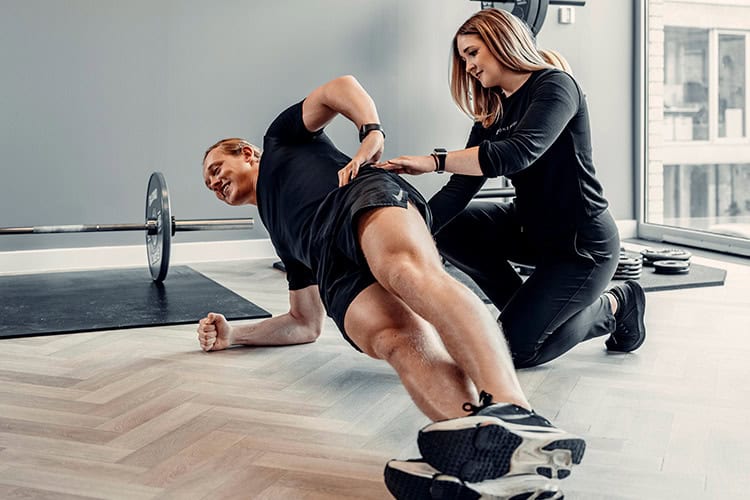
Physiotherapists are regulated healthcare professionals. They can assess, diagnose, and design complete rehabilitation programmes. Deep tissue sports massage then becomes one of the tools within that broader plan.
When Deep Tissue Sports Massage Is Appropriate on Its Own
Deep tissue sports massage alone may be appropriate when:
- You feel generally healthy but tight and restricted from training or work
- You are in a heavy training period and want structured recovery support
- You have low‑grade, familiar tightness that consistently responds well to hands‑on work
- You simply know that your body performs and feels better with regular maintenance treatment
Many people get the best results by combining physiotherapy (for assessment, diagnosis, and rehab programming) with deep tissue sports massage (for ongoing tissue quality, recovery, and performance maintenance).
Who Provides Deep Tissue Sports Massage?
For safety, results, and trust, deep tissue sports massage should be delivered by:
- Qualified sports massage therapists with recognised training and ongoing professional development, and/or
- Regulated clinicians such as physiotherapists with additional soft tissue and sports massage expertise
A trustworthy provider will:
- Take an appropriate history and screening before treatment
- Explain what they are doing and why, in clear, understandable language
- Adapt techniques and pressure to your goals, sport, and pain tolerance
- Refer you to physiotherapy or medical care if anything concerning is identified during the session
When choosing a therapist or clinic, look for clear information about qualifications, experience with active populations, safety processes, and referral pathways.
Frequently Asked Questions
Is deep tissue sports massage safe?
When carried out by a properly trained professional who screens for contraindications, deep tissue sports massage is generally safe. Certain medical conditions, medications, and recent injuries may require modifications or make massage unsuitable – always disclose your full medical history beforehand.
Can I train on the same day?
It depends on the timing, intensity of the massage, and type of session. Many people prefer deeper work after key sessions or on lighter days, rather than immediately before high‑intensity training or competition. Your therapist can help you plan the timing around your schedule.
What should I wear?
Wear or bring loose, comfortable clothing that allows access to the areas being treated – for example, shorts for legs and hips, and a vest or sports bra for shoulders and upper back.
How long does a session last?
Typical appointments last 30, 45, or 60 minutes, depending on how many areas need attention and whether this is a one‑off or part of an ongoing plan.
Do I need a referral?
In most private settings, you do not need a GP or physiotherapy referral for deep tissue sports massage. However, if you have complex medical conditions, recent surgery, or worrying symptoms, it is sensible to seek medical or physiotherapy advice fir