

Knee Pain: Symptoms, Causes, Treatment and When to See a Physio
Knee pain is one of the most common musculoskeletal complaints and one of the most treatable through physiotherapy. Whether it’s discomfort walking upstairs, stiffness after sitting, or sharp pain during sport, understanding what’s driving your knee pain is key to lasting recovery.

What is Knee Pain?
Knee pain refers to discomfort, aching, or swelling around or within the knee joint. It may arise suddenly after injury or build up gradually from muscle imbalance, poor movement mechanics, or overload.
A knee pain physio carefully assesses which structures are involved — muscles, ligaments, cartilage, or joints — and builds a tailored plan to restore strength and pain‑free mobility.
Main Types of Knee Pain
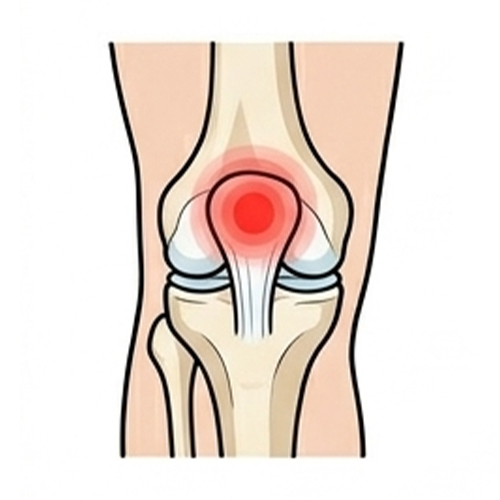
Patellofemoral Pain Syndrome (Runner’s Knee)
Pain around or behind the kneecap, typically from alignment or muscle imbalance.
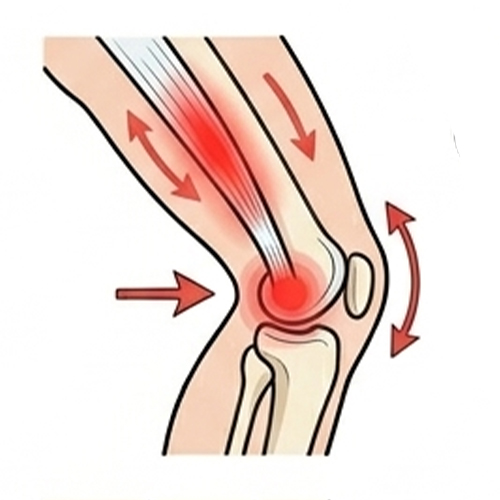
Iliotibial Band (ITB) Syndrome
Pain on the outside of the knee, often triggered by running or cycling.
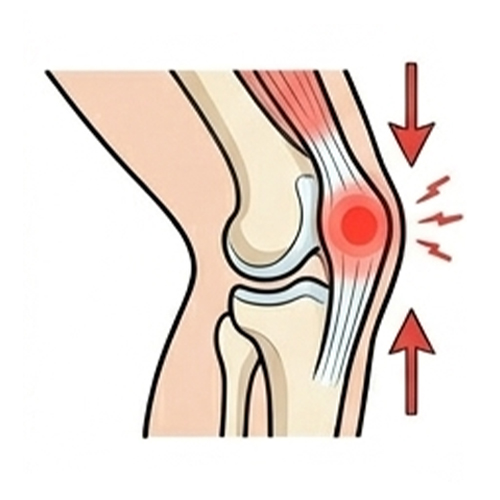
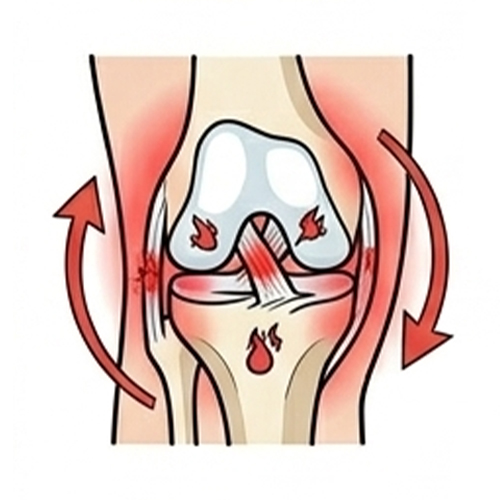
Ligament Injury (ACL, MCL, LCL
Pain, swelling, and instability following sports or twisting injuries.
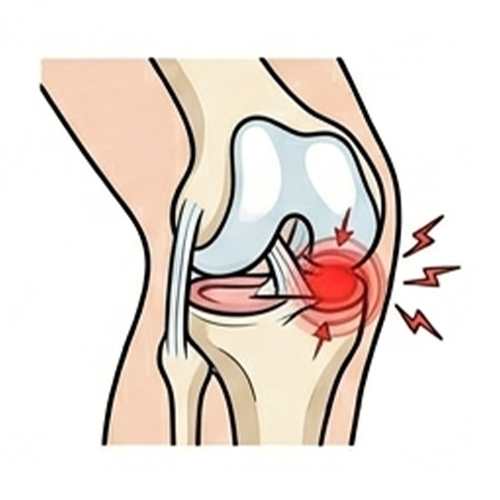
Meniscus Tear
Deep joint pain, locking, or clicking after a twist or squat.
Tendonitis or Tendinopathy (Jumper’s Knee)
Pain at the base of the kneecap or just below it from repetitive load.
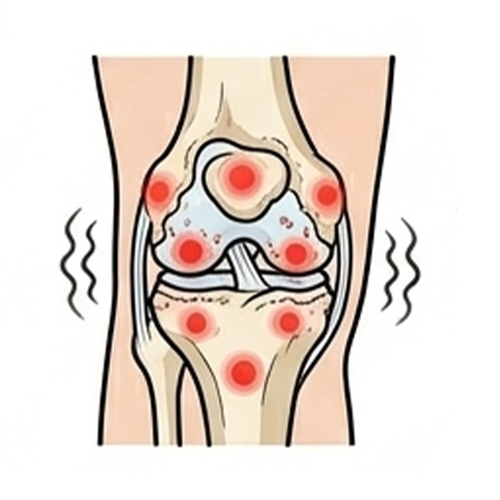
Arthritis or Degenerative Knee Change
Stiffness, swelling, or grinding, particularly in older adults.
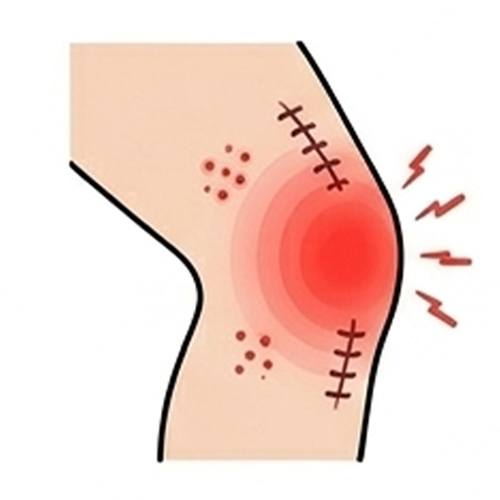
Post‑Operative or Post‑Injury Knee Pain
Common after surgery or prolonged immobilisation; best managed with structured physiotherapy.
Each type requires a distinct approach, which is why professional assessment and diagnosis are essential.
Common Causes and Contributing Factors
- Repetitive strain or overtraining
- Muscle weakness or imbalance (especially quads and glutes)
- Poor movement mechanics or landing technique
- Tight hip or ankle mobility affecting joint load
- Sudden change in activity or footwear
- Postural habits or prolonged sitting
- Previous injury or ligament instability
Knee pain often develops from several small factors combined rather than one clear event — making early physiotherapy vital to correct them. Joint stiffness and swelling may benefit from arthritis treatment in London.
Symptoms and What They Mean
Knee pain symptoms can vary widely depending on the structure involved:
- Dull ache, stiffness, or heaviness after activity or rest
- Clicking, grinding, or locking of the knee joint
- Sharp pain during squatting, kneeling, or climbing stairs
- Swelling or heat around the joint
- Sensation of instability or “giving way”
- Reduced ability to walk, run, or train normally
A knee pain physiotherapist will identify the pain pattern, test stability and muscle control, and develop a specific recovery plan aligned with your movement goals.
How Long Does Knee Pain Last?
Acute knee pain (up to 6 weeks) often improves quickly with targeted exercise and physiotherapy.
Sub‑acute pain (6–12 weeks) may require structured strength and movement retraining.
Chronic or persistent pain (12+ weeks) benefits from a comprehensive programme that rebuilds shoulder stability and confidence.
Early treatment shortens recovery and reduces the risk of long‑term stiffness or weakness.
When Knee Pain Needs Urgent Attention (Red Flags)
Most knee pain resolves with physiotherapy for knee pain, but seek urgent medical review if you experience:
- Severe pain or swelling immediately after trauma
- Inability to bear weight or fully straighten the knee
- Signs of joint locking or catching without movement return
- Fever, redness, or warmth suggesting infection
- Sudden instability after twisting or collision
Your physiotherapist can assess and quickly refer for imaging or specialist input if needed.
How Physiotherapists Diagnose Knee Pain
During your assessment, your knee pain physio will:
- Take a detailed history of your symptoms, activities, and training loads
- Assess knee motion, swelling, and joint integrity
- Test muscle strength, flexibility, and balance
- Examine movement mechanics of the hips, knees, and ankles
- Perform targeted tests for ligament or meniscus involvement
If scans or X‑rays are appropriate, your physiotherapist can coordinate referrals and communicate findings with your GP or specialist for a seamless recovery plan.
Physiotherapy Treatment for Knee Pain
Physiotherapy is a research‑proven, highly effective approach for knee pain. Treatment may include:
Hands‑On Physiotherapy
Joint mobilisation, soft‑tissue release, and massage to reduce tension and improve movement.
Exercise Therapy
Strenhening for quads, glutes, and hamstrings to support knee stability.
Movement Retraining
Teaching correct squat, lunge, and running mechanics to avoid overload.
Rehabilitation Programmes
Structured progression from mobility work to sport‑specific training.
For ongoing symptoms, advanced techniques like dry needling, shockwave therapy, or clinical Pilates may enhance recovery and long‑term performance.
How Physiotherapy Helps Long Term
Physiotherapy goes beyond pain relief — it builds confidence and resilience in movement. Long‑term benefits include:
- Restored joint mobility and muscle balance
- Improved alignment and load distribution
- Reduced stiffness, inflammation, and pain
- Enhanced squat, run, or sport performance
- Education and strategies to prevent recurrence
An experienced knee pain physiotherapist ensures recovery that lasts — empowering you to move, train, and live pain‑free.
When to See a Physio
- Pain persists more than a few days or keeps returning
- Knee pain interrupts your workouts or sporting activity
- You notice swelling, grinding, or instability
- Over‑the‑counter pain relief isn’t helping
- You’re unsure what movements or exercises are safe
Seeing a knee pain physio early helps prevent minor strains from developing into chronic problems. After a heavy impact, consider fracture treatment in London.
Take the Next Step Toward Recovery
At One Body, our physiotherapists specialise in knee pain treatment — from running injuries to arthritis and post‑surgery rehabilitation. We combine comprehensive assessment, hands‑on therapy, and individualised exercise programmes to help you move confidently and pain‑free again.

This page has been medically reviewed by Rebecca Bossick, Lead Clinical Physiotherapist, HCPC & CSP Registered.