

Elbow Pain: Symptoms, Causes, Treatment and When to See a Physio
Elbow pain is a common issue among office workers, athletes, and gym‑goers alike — and physiotherapy can often resolve it effectively. Whether it’s an ache lifting objects, pain gripping or twisting, or sharp discomfort during sport, understanding what’s happening in your elbow is the first step toward lasting relief and recovery.
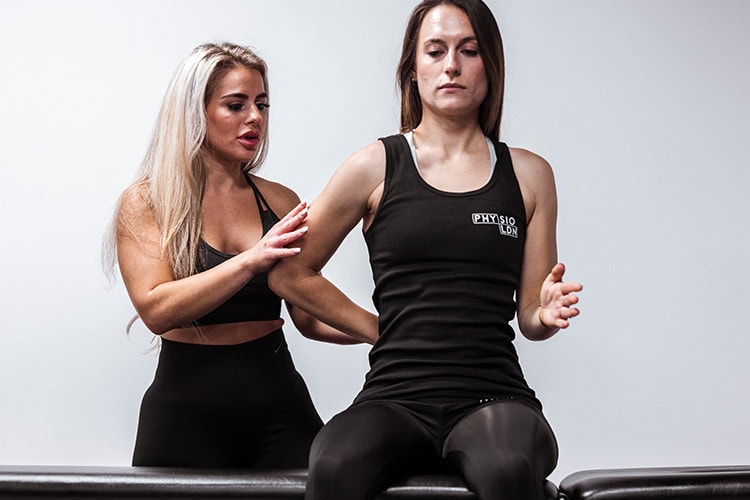
What is Elbow Pain?
Elbow pain refers to discomfort or stiffness felt around the elbow joint or forearm. It can stem from muscle or tendon irritation, joint stiffness, nerve sensitivity, or even referred pain from the neck or shoulder.
A elbow pain physio assesses which structures are involved — joint, tendon, or nerve — and builds a personalised plan to restore strength, mobility, and pain‑free function.
Main Types of Elbow Pain
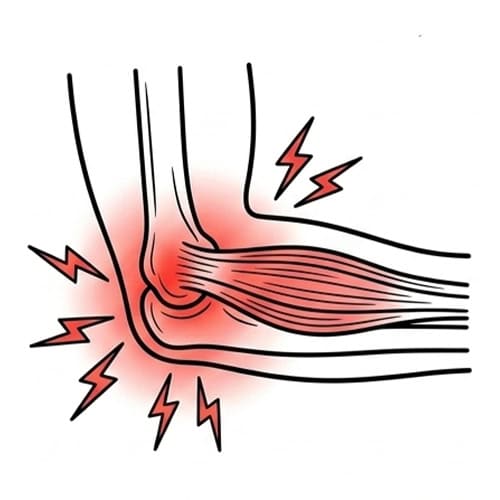
Tennis Elbow (Lateral Epicondylitis)
Pain on the outer elbow, often from gripping or lifting; common in both desk workers and athletes.
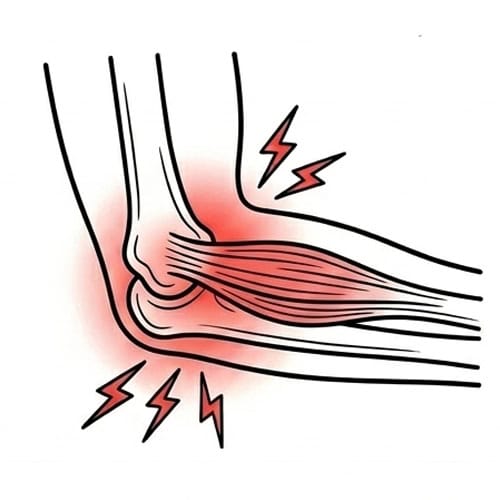
Golfer’s Elbow (Medial Epicondylitis)
Pain on the inside of the elbow, aggravated by gripping or wrist flexion.
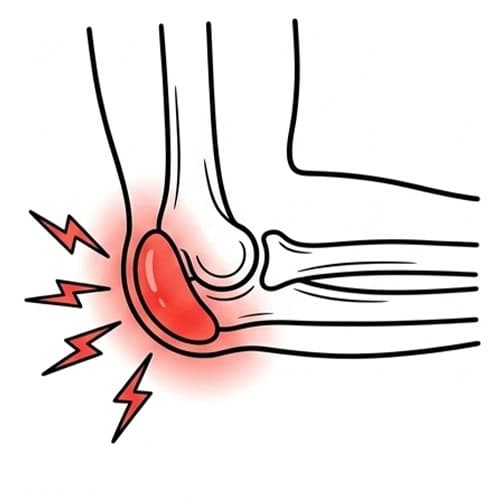
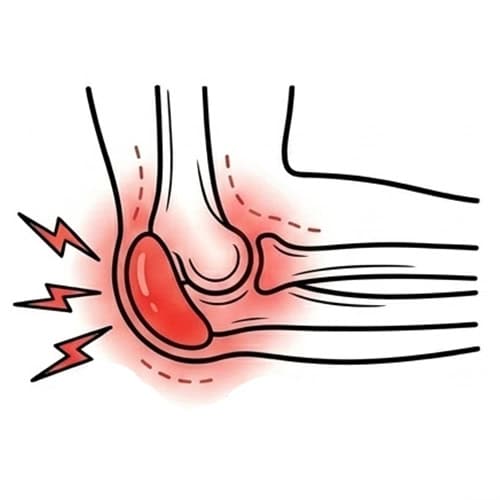
Olecranon Bursitis
Swelling or tenderness at the back of the elbow from repetitive pressure or minor trauma.
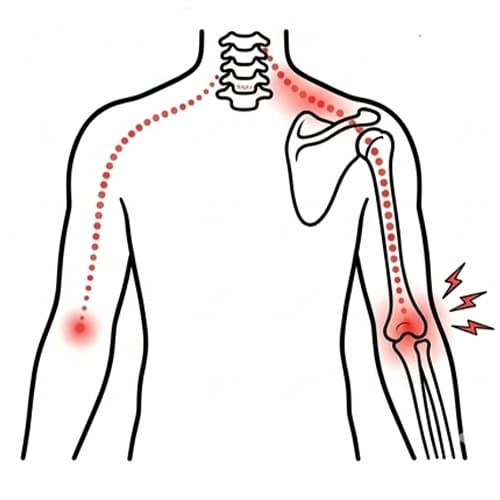
Referred Pain from the Neck or Shoulder
Radiating discomfort or weakness tracing along the arm.
Postural or Overuse‑Related Pain
From repetitive strain, typing, or poor lifting habits.
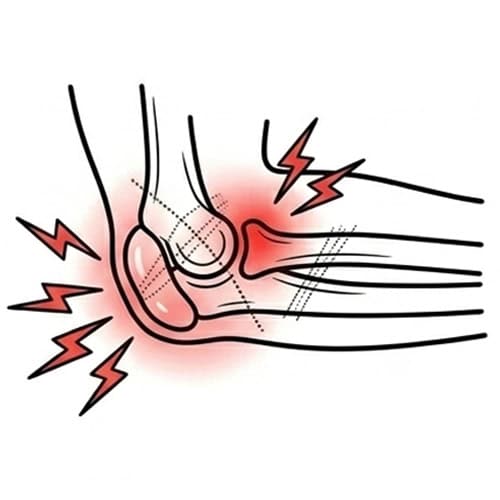
Post‑Injury or Post‑Surgical Elbow Pain
Common after fractures, dislocations, or tendon repairs, requiring graded rehabilitation.
Each condition has different triggers and recovery strategies — making professional diagnosis essential for lasting results.
Common Causes and Contributing Factors
- Repetitive gripping, typing, or lifting
- Poor wrist or shoulder mechanics
- Muscle imbalance or forearm tightness
- Sudden increase in training or load
- Weak stabilising muscles in wrist or shoulder
- Poor posture and upper‑limb movement habits
In many cases, elbow pain develops gradually from repetitive overload and poor movement control rather than a single injury.
Symptoms and What They Mean
Symptoms vary by cause but typically include:
- Dull aching or sharp pain around the elbow joint
- Pain radiating into the forearm or wrist
- Weak grip or difficulty lifting objects
- Tenderness on the inside or outside of the elbow
- Stiffness after inactivity or in the morning
- Clicking or swelling at the joint
A elbow pain physiotherapist can identify your symptom patterns, determine the exact source, and guide you through targeted treatment to get back to your usual activities safely.
How Long Does Elbow Pain Last?
Acute elbow pain (less than 6 weeks) may settle quickly with rest, manual treatment, and early strengthening.
Acute elbow pain (less than 6 weeks) may settle quickly with rest, manual treatment, and early strengthening.
Persistent or chronic pain (12+ weeks) benefits from combined manual therapy and progressive exercise to build resilience and reduce sensitisation.
When Elbow Pain Needs Urgent Attention (Red Flags)
Most elbow pain is mechanical and improves with physiotherapy for elbow pain, but urgent medical review is necessary if you have:
- Sudden elbow deformity or severe swelling after trauma
- Inability to move or straighten the joint
- Numbness or tingling in fingers or forearm
- Signs of infection (redness, warmth, or fever
- Unexplained night pain or rapid swelling
If you’re unsure, your physiotherapist can assess and refer to the appropriate medical professional for further investigation.
How Physiotherapists Diagnose Elbow Pain
During your assessment, your elbow pain physio will:
- Take a full history of symptoms, posture, and activity levels
- Test grip strength, wrist and elbow movement, and muscle control
- Assess shoulder and cervical spine contribution
- Identify whether symptoms involve tendons, joints, or nerves
- Perform special clinical tests to confirm the diagnosis
If imaging (e.g. ultrasound, MRI, or X‑ray) is required, your physiotherapist will coordinate with your GP or specialist for integrated, evidence‑based care.
Physiotherapy Treatment for Elbow Pain
Physiotherapy offers the most effective long‑term treatment for elbow pain.
Your programme may include
Hands‑On Physiotherapy
Exercise Therapy
Gradual strengthening and loading for tendons, forearm muscles, and grip control.
Movement Retraining
Coaching on optimal wrist, elbow, and shoulder coordination during work and sport.
Rehabilitation Programmes
Structured progression to prevent recurrence and support full return to activity.
For stubborn or chronic pain, advanced methods like dry needling, shockwave therapy, and eccentric loading exercises can accelerate recovery.
How Physiotherapy Helps Long Term
The goal of physiotherapy is not only pain relief but also long‑term strength and confidence. Effective elbow pain physiotherapy helps by:
- Restoring shoulder strength and joint mobility
- Reducing inflammation and tendon irritation
- Improving posture and upper‑limb coordination
- Supporting return to lifting, sport, or desk work
- Preventing future flare‑ups through education and targeted exercises
Your physiotherapist will guide you in understanding your pain, rebuilding strength, and maintaining healthy movement patterns.
When to See a Physio
You should see a physiotherapist if:
- Pain lasts more than a few days or keeps recurring
- You struggle to grip, lift, or type without pain
- Swelling or stiffness limits daily tasks
- Over‑the‑counter pain relief hasn’t resolved symptoms
- You’re unsure what activities are safe to do
Seeing a elbow pain physio early can stop mild irritation from becoming a long‑term tendon injury.
Take the Next Step Toward Recovery
At One Body, our expert physiotherapists specialise in elbow pain treatment — from tennis elbow and golfer’s elbow to tendon tears and post‑surgical rehab. We use detailed assessment, hands‑on therapy, and progressive strengthening to get you back moving pain‑free and confidently.
Learn more about elbow pain
- Elbow Pain Treatment in London
- UCL Injury Treatment in London
- Tennis Elbow Treatment in London
- Golfers Elbow Treatment in London
- What Is Elbow Pain? Causes, Symptoms & When to Worry
- Elbow Pain at Work: Desk-Related Causes and Fixes
- Elbow Pain When Lifting Weights: Why It Happens and What to Do
- How Long Does Elbow Pain Take to Heal With Physiotherapy?
- The Best Exercises for Elbow Pain: Physio-Recommended Routine
- When Should I See a Physiotherapist for Elbow Pain?

This page has been medically reviewed by Rebecca Bossick, Lead Clinical Physiotherapist, HCPC & CSP Registered.