

Hand Pain: Symptoms, Causes, Treatment and When to See a Physio
Hand pain is a common problem affecting people across all ages — whether from
typing, lifting, sports, or arthritis. Because we rely on our hands constantly, even
small aches can significantly impact daily activities. Understanding what’s causing
your pain is the first step toward lasting recovery — and physiotherapy can help.
What is Hand Pain?
Hand pain refers to discomfort, aching, or stiffness anywhere from the wrist to the
fingers. It may come from irritated joints, muscles, tendons, or nerves.
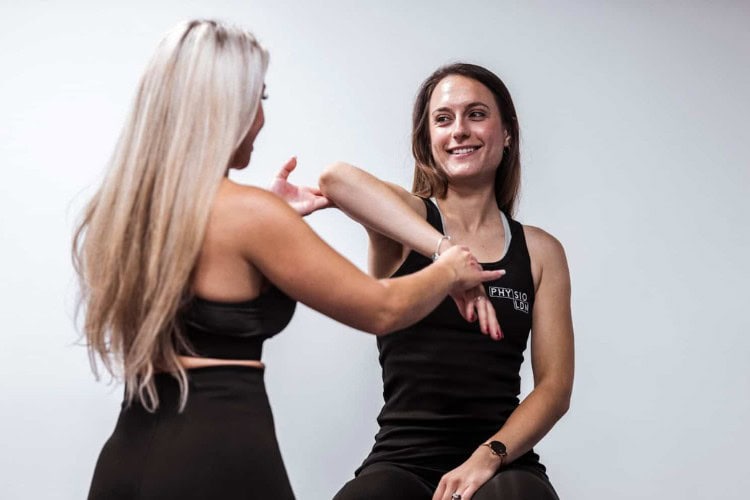
A hand pain physio analyses your hand movement, strength, and posture to
identify exactly which structures are contributing — then designs a personalised
treatment plan to restore comfortable, pain‑free function.
Main Types of Hand Pain
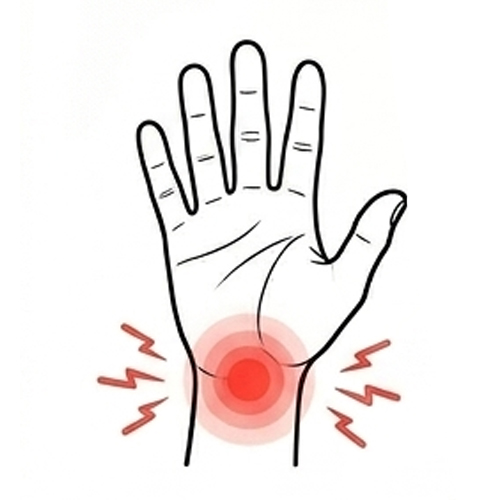
Wrist or Thumb Tendonitis (De Quervain’s Tenosynovitis)
Pain at the
thumb side of the wrist, common from repetitive gripping or mobile phone
use.
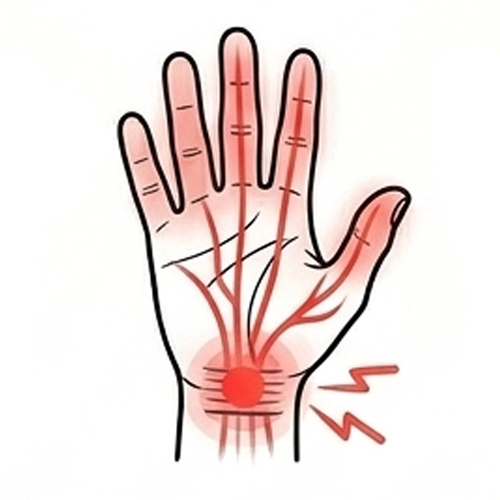
Carpal Tunnel Syndrome
Tingling or numbness in the fingers from compression of a wrist nerve.
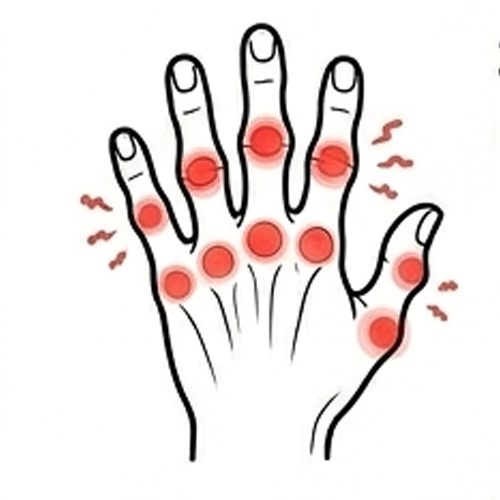
Arthritis or Joint Degeneration
Stiffness and ache in finger or wrist joints, often age‑related or post‑injury.
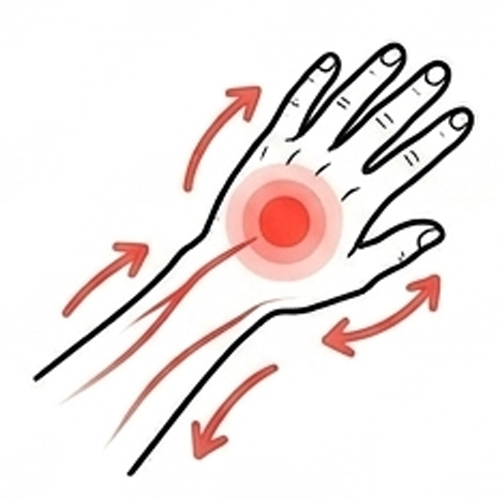
Overuse or Repetitive Strain Injury (RSI)
Pain building up gradually from typing, handwriting, or manual work.
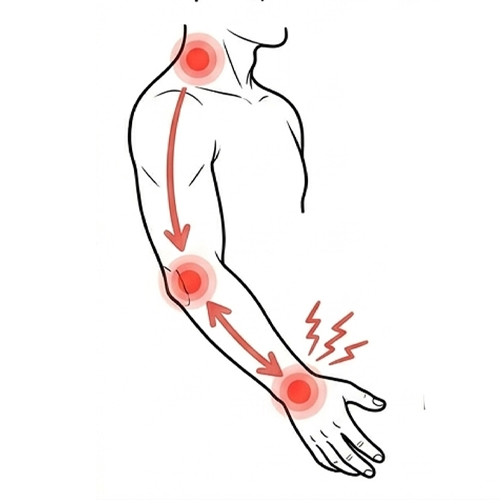
Referred Pain from Neck or Elbow
Pain travelling into the hand due to nerve or joint irritation higher up the arm.
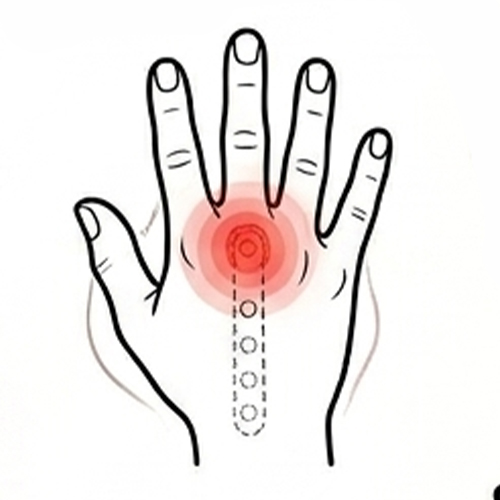
Post‑Injury or Post‑Surgery Pain
Recovery period after fractures, ligament damage, or hand operations.
Each type requires unique management — professional physiotherapy ensures
treatment matches the true underlying cause, not just the symptoms.
Common Causes and Contributing Factors
- Overuse or repetitive hand and wrist motions
- Prolonged computer or phone use
- Poor posture affecting wrist or shoulder mechanics
- Muscle weakness or imbalance
- Previous injury or surgery
- Stress and fatigue leading to increased tension
Often, several mild factors combine — leading to accumulated strain and hand
discomfort over time. Hand stiffness may benefit from arthritis treatment in London.
Symptoms and What They Mean
Symptoms vary depending on the affected structure but often include:
- Dull ache or stiffness in fingers, palm, or wrist
- Sharp pain when gripping or twisting objects
- Tingling, numbness, or burning sensations
- Weak grip strength or dropping items
- Swelling or clicking in the wrist or fingers
- Pain that worsens with repetitive tasks
A hand pain physiotherapist can pinpoint what’s causing these issues, explain
contributing factors, and build a structured recovery plan around your goals.
How Long Does Hand Pain Last?
Acute hand pain (less than 6 weeks) may settle quickly with rest and targeted physiotherapy.
Sub‑acute pain (6–12 weeks) usually benefits from a structured rehabilitation and strengthening programme.
Chronic or persistent pain (12+ weeks) needs a comprehensive approach addressing movement patterns, sensitivity, and lifestyle factors.
Early treatment prevents progression to ongoing stiffness or weakness.
When Hand Pain Needs Urgent Attention (Red Flags)
While most hand pain responds well to physiotherapy, urgent medical attention is
required if you notice:
- Sudden swelling or severe pain after trauma
- Numbness or weakness worsening suddenly
- Loss of coordination or finger movement
- Signs of infection (heat, redness, or fever)
- Persistent night pain or unexplained deformity
Your physiotherapist can identify when further medical assessment is needed and
direct you accordingly.
How Physiotherapists Diagnose Hand Pain
During your consultation, your hand pain physio will:
- Take a detailed history of your symptoms and activities
- Test grip strength, joint mobility, and hand coordination
- Examine wrist, elbow, and shoulder mechanics
- Perform nerve and tendon function tests
- Evaluate posture and repetitive‑strain triggers
If necessary, your physiotherapist will refer you for imaging (ultrasound, X‑ray, or
MRI) and integrate those findings into your treatment plan collaboratively with your
GP or specialist.
Physiotherapy Treatment for Hand Pain
Physiotherapy is one of the most effective, evidence‑based approaches for hand
pain. Treatment typically includes:
Hands‑On Physiotherapy
Joint mobilisation, tendon gliding, and
soft‑tissue release to ease stiffness and improve motion.
Exercise Therapy
Specific strengthening for the wrist, fingers, and
forearm muscles to restore balance and control.
Movement Retraining
Guidance on optimal wrist and hand mechanics during typing, gym work, or lifting.
Rehabilitation Programmes
Tailored recovery plans to restore grip strength, flexibility, and prevent recurrence.
Advanced physiotherapy options like dry needling, shockwave therapy, or functional hand exercises may be added for optimal results.
How Physiotherapy Helps Long Term
The aim isn’t just short‑term pain relief — it’s lasting movement confidence.
Professional physiotherapy helps to:
- Restoring joint mobility and tendon health
- Improving grip strength and dexterity
- Reducing nerve sensitivity and inflammation
- Preventing recurrence with ergonomic advice
- Supporting return to sport, desk work, or manual tasks
A qualified hand pain physiotherapist also helps you understand your condition,
rebuild strength, and regain confidence using your hands for everyday activities.
When to See a Physio
It’s important to book an assessment if:
- Pain lasts beyond a few days or recurs frequently
- Typing, gripping, or lifting make symptoms worse
- You wake at night due to hand or wrist pain
- Over‑the‑counter treatments aren’t helping
- You’re unsure which activities might aggravate it
Seeing a hand pain physio early helps prevent minor strain developing into chronic
tendon or nerve irritation.
Take the Next Step Toward Recovery
At One Body, our physiotherapists specialise in hand pain treatment — from repetitive strain and tendonitis to arthritis and post‑surgical recovery. We combine advanced assessment, hands‑on therapy, and targeted rehabilitation to help you move, grip, and live pain‑free again.
Learn more about hand pain

This page has been medically reviewed by Rebecca Bossick, Lead Clinical Physiotherapist, HCPC & CSP Registered.