


Main takeaways
- The shoulder is the most commonly dislocated joint due to its high mobility and relative instability.
- Dislocations commonly result from falls, trauma, or sports injuries, with higher risk in activities like basketball, football, and cycling.
- Emergency management includes professional reduction, imaging, and immobilization, followed by early guided movement.
- Rehabilitation focuses on restoring range of motion, strengthening the rotator cuff and scapular muscles, and preventing recurrence.
- Physiotherapy, sports massage, and education on body mechanics are essential for optimal recovery.
- Surgery is rarely required, except in cases of recurrent dislocation or severe structural damage.
The shoulder is a marvel of mobility, allowing a wide range of motion that few other joints can match. However, this incredible flexibility comes at a cost: the shoulder is the most commonly dislocated joint in the body. In fact, the Global Burden of Disease Study 2021 reported an incidence rate of nearly 70 shoulder dislocations per 100,000 people worldwide.
Understanding how shoulder dislocations occur, the emergency care required, and the rehabilitation process is essential for anyone looking to protect their shoulder health or recover effectively from injury.Whether you’re an athlete, office worker, or simply someone who values physical activity, shoulder dislocation can be a disruptive and painful experience.
This article explores the mechanisms behind shoulder dislocation, immediate treatment steps, and the best approaches to rehab and strengthening, with insights from leading physiotherapy experts in London and recent scientific studies.
How Dislocation Happens
The shoulder joint, specifically the glenohumeral joint, is uniquely structured to allow a wide range of motion. This ball-and-socket joint sacrifices stability for mobility, making it vulnerable to dislocation. The joint is held together by a combination of ligaments, tendons, and muscles, but a sudden force or trauma can cause the ball of the humerus to pop out of the socket.

Dislocations often occur due to falls, direct blows, or sudden twisting motions. Sports injuries are a significant cause, with a 2024 study revealing that over half (52.5%) of shoulder dislocations in the U.S. are sports-related. Basketball accounted for 16.4%, American football for 15.6%, and cycling for 9% of these injuries, highlighting the risk in high-impact and contact sports (Epidemiology of Shoulder Dislocations Treated at Emergency Departments in the United States Between 1997 and 2021).
Additionally, the incidence of shoulder instability in the general population ranges from 8 to 24 per 100,000, underscoring how common these injuries are across different age groups and activity levels (Surgical Management of Glenohumeral Instability).
Understanding the mechanics of dislocation is crucial for prevention and treatment. The shoulder’s anatomy includes the rotator cuff, a group of muscles and tendons that stabilize the joint. When these structures are weakened or injured, the risk of dislocation increases significantly. For instance, repetitive overhead activities, often seen in athletes and manual laborers, can lead to micro-tears in the rotator cuff, making the joint less stable and more susceptible to dislocation during unexpected movements.
Moreover, certain individuals may be predisposed to dislocations due to genetic factors or pre-existing conditions such as Ehlers-Danlos syndrome, which affects connective tissues and can lead to hypermobility. This hypermobility, while allowing for greater flexibility, can also result in a higher likelihood of dislocations. As such, understanding one’s own physical limitations and engaging in preventive exercises to strengthen the shoulder can be vital in reducing the risk of dislocation, especially for those involved in high-risk sports or activities.
Emergency Care
When a shoulder dislocation occurs, prompt and appropriate emergency care is crucial to minimize complications and start the recovery process. The first step is to avoid moving the arm unnecessarily, as this can cause further damage to the joint, surrounding muscles, and nerves.

Medical professionals typically perform a reduction procedure to reposition the humeral head back into the socket. This should only be done by trained personnel to prevent additional injury. After reduction, imaging such as X-rays or MRI scans are used to assess the extent of damage and rule out fractures.
In recent years, technological advances have improved diagnostic accuracy. A study published in 2025 demonstrated that using consumer-grade cameras combined with large language models boosted shoulder disorder diagnosis accuracy by nearly 80% compared to traditional video assessments (Diagnosing Shoulder Disorders Using Multimodal Large Language Models and Consumer-Grade Cameras). Such innovations may soon enhance emergency and remote care options.
Following reduction, immobilization with a sling is common to allow soft tissue healing. However, early movement under professional guidance is important to prevent stiffness and promote joint health. Specialist shoulder pain physical therapy often plays a vital role in recovery, focusing on strengthening the muscles around the shoulder and restoring range of motion. Therapists may employ various techniques, including manual therapy, stretching exercises, and resistance training, tailored to the individual’s needs and recovery timeline.
In addition to physical therapy, pain management is an essential aspect of the recovery process. Patients may be prescribed anti-inflammatory medications or analgesics to help alleviate discomfort during the healing phase. Education on proper body mechanics and ergonomic practices can also be beneficial, as it empowers individuals to avoid future injuries and maintain shoulder health. Furthermore, support groups or counseling may be recommended for those experiencing anxiety or emotional distress related to their injury, ensuring a holistic approach to recovery.
Rehab and Strengthening
Rehabilitation after a shoulder dislocation is vital to restore function, prevent recurrent dislocations, and strengthen the muscles supporting the joint. Physiotherapy plays a central role in this process, combining manual therapy, exercise prescription, and education.

Expert physiotherapists in London emphasize a tailored approach that addresses the root cause of instability and pain. Clinics such as One Body LDN offer comprehensive rehab programs that blend deep tissue massage with targeted strengthening exercises, ensuring patients regain mobility and reduce the risk of future injury. Their therapists undergo extensive training, often exceeding five times the regulatory requirements, and bring experience from elite sports and NHS backgrounds.
Rehab typically begins with gentle range-of-motion exercises progressing to strengthening of the rotator cuff and scapular stabilizers. This gradual progression helps rebuild joint stability and functional capacity. Consistent adherence to the rehab plan is crucial for long-term success.
For those recovering from surgery or severe dislocations, post-operative physiotherapy is essential. It focuses on pain management, restoring joint mechanics, and rebuilding confidence in movement. The goal is to return patients to their previous level of activity safely and effectively.
In addition to physical exercises, education about body mechanics and ergonomics is a critical component of rehabilitation. Patients are taught how to modify their daily activities to avoid undue stress on the shoulder joint, which can significantly aid in the recovery process. This includes guidance on proper lifting techniques, posture correction, and the importance of warm-ups before engaging in physical activities. Such knowledge empowers individuals to take an active role in their recovery and helps them make informed decisions about their physical health moving forward.
Moreover, the psychological aspect of recovery should not be overlooked. Many individuals experience anxiety about re-injury or fear of movement following a dislocation. Specialist London shoulder pain physiotherapists often address these concerns as part of a comprehensive rehabilitation plan,integrating supportive counseling strategies and mental conditioning techniques to help patients overcome these barriers.
By fostering a positive mindset and building resilience, patients can enhance their recovery experience and improve their overall outcomes. This holistic approach not only addresses the physical aspects of rehabilitation but also nurtures the mental well-being of patients, allowing them to regain confidence in their shoulder’s functionality.
FAQ
What are the common symptoms of a shoulder dislocation?
Symptoms include intense shoulder pain, visible deformity, swelling, inability to move the arm, and sometimes numbness or weakness if nerves are affected. Patients often describe a sensation of the shoulder “popping out” or “slipping” during the injury, which can be alarming. Additionally, bruising may develop around the shoulder area as blood vessels break due to the trauma, further indicating the severity of the injury. Immediate medical attention is crucial to assess the extent of the dislocation and to initiate appropriate treatment.
How long does it take to recover from a shoulder dislocation?
Recovery time varies depending on severity but typically ranges from 6 weeks to several months with proper rehabilitation. Factors such as age, overall health, and adherence to rehabilitation protocols can significantly influence recovery duration. During this time, patients are often encouraged to engage in gentle range-of-motion exercises to prevent stiffness while avoiding activities that could jeopardize healing. Regular follow-ups with healthcare providers are essential to monitor progress and make adjustments to the rehabilitation plan as needed.
Can shoulder dislocations be prevented?
While not all dislocations can be prevented, strengthening shoulder muscles, practicing proper techniques in sports, and avoiding high-risk activities can reduce the risk. Engaging in regular strength training and flexibility exercises can enhance shoulder stability, making it less susceptible to dislocations. Additionally, wearing protective gear during contact sports and being mindful of body mechanics during physical activities can further mitigate risks. Education on recognizing early signs of shoulder instability can also empower individuals to seek help before a dislocation occurs.
Is surgery always required after a shoulder dislocation?
No, many dislocations heal well with conservative treatment, but surgery may be necessary for recurrent dislocations or significant structural damage. Surgical options may include arthroscopic stabilization procedures that can repair torn ligaments or tighten the joint capsule. The decision to pursue surgery often depends on the patient’s lifestyle, activity level, and the likelihood of future dislocations. A thorough discussion with an orthopedic specialist can help determine the best course of action tailored to the individual’s needs. For detail information see the blog shoulder pain after surgery and rehab.
When should I seek physiotherapy after a shoulder dislocation?
Physiotherapy should begin as soon as medically safe, often within days to weeks after the injury or surgery, to optimize recovery. Early intervention can help manage pain and swelling while promoting healing through targeted exercises. A physiotherapist will typically assess the injury’s severity and create a personalized rehabilitation program that gradually increases in intensity. This approach not only aids in restoring function but also educates patients on proper movement patterns to prevent future injuries.
Are shoulder dislocations more common in certain age groups?
Yes, younger individuals, especially athletes, are more prone due to higher activity levels, but dislocations can occur at any age. In younger populations, high-impact sports such as football, rugby, and gymnastics contribute significantly to the incidence of shoulder dislocations. Conversely, older adults may experience dislocations due to falls or degenerative conditions that weaken the shoulder joint. Understanding the demographic trends can help in tailoring prevention strategies and educational programs for different age groups.
What role does sports massage play in shoulder injury recovery?
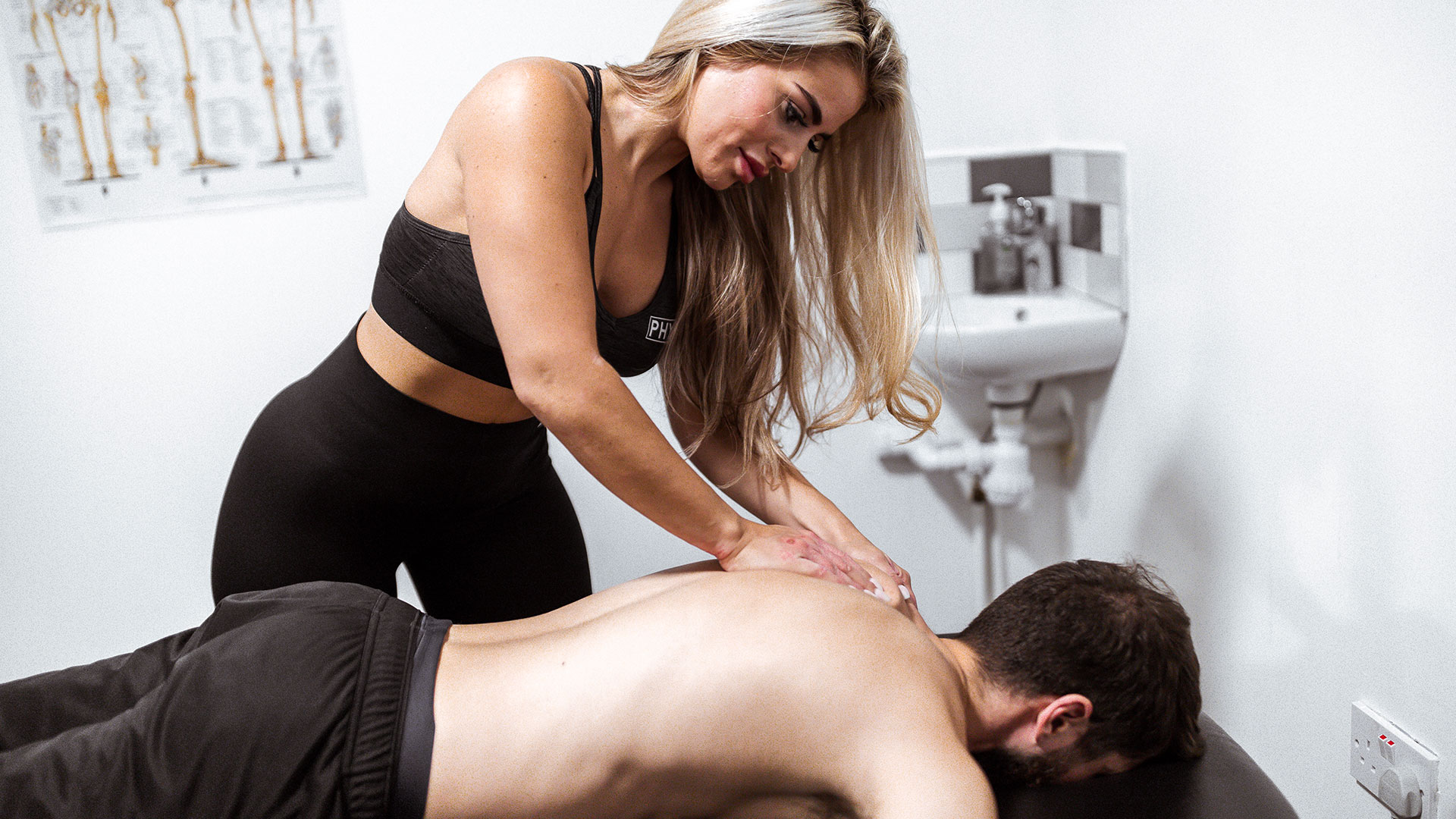
Sports massage helps reduce muscle tightness, improve circulation, and accelerate healing, complementing physiotherapy in rehab programs. By targeting specific muscle groups around the shoulder, massage therapy can alleviate pain and enhance mobility. Additionally, it promotes relaxation and reduces stress, which can be beneficial for mental recovery. Many athletes find that incorporating sports massage into their recovery routine not only aids in physical healing but also boosts their overall performance by maintaining muscle flexibility and reducing the risk of future injuries.
Can shoulder dislocations lead to long-term problems?
If not properly treated, dislocations can cause chronic instability, arthritis, and decreased shoulder function. Over time, repeated dislocations can lead to wear and tear on the joint surfaces, increasing the risk of osteoarthritis. Patients may also experience ongoing pain and a reduced range of motion, which can significantly impact daily activities and quality of life. Early intervention and adherence to rehabilitation protocols are crucial in minimizing these long-term complications and ensuring a return to normal function.
How effective is physiotherapy in preventing recurrent shoulder dislocations?
Effective shoulder pain physiotherapy focusing on strengthening and stabilizing the shoulder can significantly reduce the risk of recurrence. Tailored exercise programs that emphasize rotator cuff strengthening, scapular stabilization, and overall shoulder mechanics are essential components of a successful rehabilitation strategy. Patients are often taught specific exercises to perform at home, ensuring they continue to build strength and stability outside of therapy sessions. Regular assessments by a physiotherapist can help track progress and make necessary adjustments to the program, further enhancing its effectiveness.
Where can I find expert physiotherapy for shoulder dislocation in London?
Clinics like One Body LDN offer award-winning physiotherapy services with highly trained specialists experienced in shoulder rehab. Many clinics also provide a multidisciplinary approach, incorporating services such as chiropractic care, acupuncture, and nutritional counseling to support comprehensive recovery. When selecting a physiotherapy clinic, it’s essential to consider factors such as the clinic’s reputation, the qualifications of the therapists, and the range of services offered to ensure a well-rounded treatment plan tailored to individual needs.
Start Your Recovery Journey with One Body LDN
If you’re dealing with the aftermath of a shoulder dislocation, don’t let your symptoms dictate your life. At One Body LDN, voted as the best London physio clinic by thousands, we’re committed to addressing the root cause of your problem. Our award-winning experts specialize in musculoskeletal physiotherapy, sports injuries, and post-operative care, ensuring you receive a precise diagnosis and an effective treatment plan. With a team that includes former athletes, ex-Team GB members, and NHS specialists, we’re equipped to provide instant pain relief and tailored rehab plans. Book your free initial assessment today and take the first step towards feeling amazing again.
