


Main takeaways
- Shoulder impingement occurs when rotator cuff tendons and bursa are compressed, leading to pain and limited movement.
- Common causes include repetitive overhead activity, poor posture, muscle imbalances, age-related degeneration, and prior injuries.
- Symptoms include pain during arm elevation, weakness, limited range of motion, and clicking or catching sensations.
- Conservative treatments like physiotherapy, exercise rehabilitation, and manual therapy are highly effective; surgery is rarely required.
- Prevention involves posture correction, strengthening rotator cuff and scapular muscles, proper ergonomics, and early intervention at first signs of discomfort.
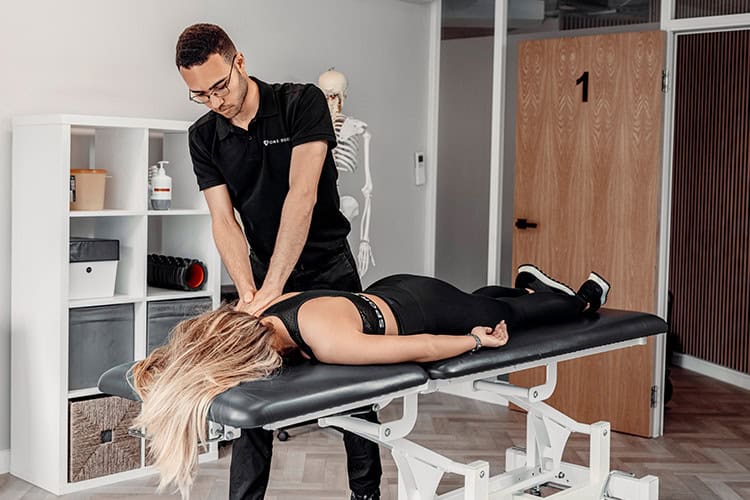
- Clinics like One Body LDN offer personalized physiotherapy programs combining rehab exercises and deep tissue massage for optimal recovery.
Shoulder impingement syndrome is a common yet often misunderstood condition affecting a significant portion of those experiencing shoulder pain. Accounting for an estimated 44% to 65% of all shoulder complaints, it represents a major concern for both patients and healthcare providers alike. This syndrome occurs when the tendons of the rotator cuff muscles become compressed or irritated as they pass through the shoulder joint, leading to pain, restricted movement, and diminished quality of life.
Given that over half of patients with shoulder pain report persistent symptoms even after three years, understanding the causes, symptoms, and treatment options for shoulder impingement is essential for effective management and recovery. Early guidance from specialist London shoulder pain physiotherapists can help ensure accurate diagnosis and appropriate treatment before symptoms become long-term.
In this article, we will explore the primary causes and symptoms of shoulder impingement, discuss effective treatment options, and provide practical prevention tips to help you maintain shoulder health and avoid chronic issues. Whether you are an athlete, office worker, or someone experiencing shoulder discomfort, this comprehensive guide aims to equip you with the knowledge to make informed decisions about your care.
Causes and Symptoms
Shoulder impingement syndrome typically arises when the rotator cuff tendons and the bursa—a fluid-filled sac that cushions the joint—are compressed between the bones of the shoulder, particularly the acromion and the head of the humerus. This compression can result from a variety of factors including repetitive overhead activities, poor posture, muscle imbalances, or structural abnormalities such as bone spurs. The anatomy of the shoulder joint is complex, and any disruption in its normal function can lead to significant discomfort and mobility issues.
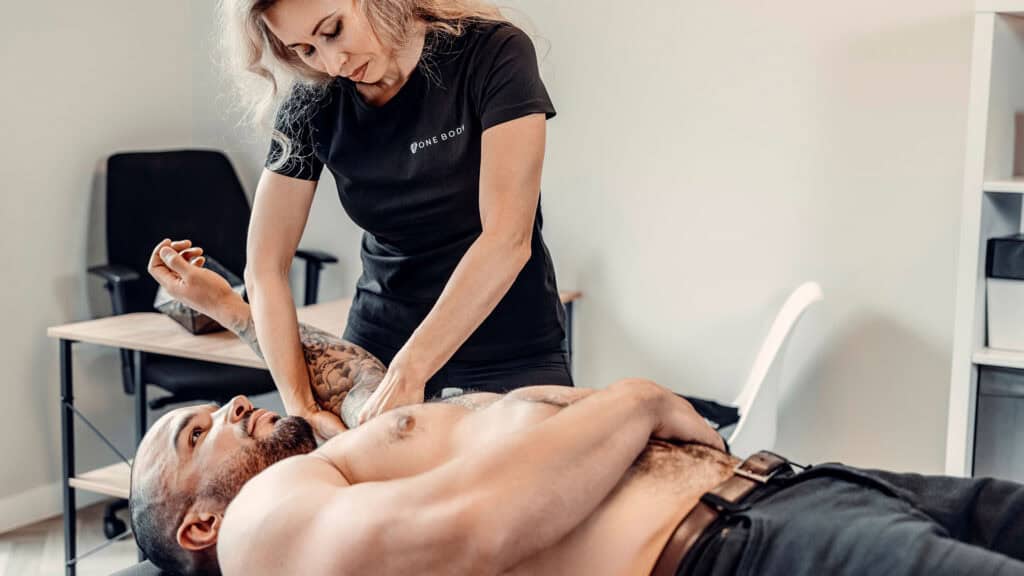
Common causes include repetitive motions seen in sports like swimming, tennis, or baseball, as well as occupational hazards involving overhead work or prolonged computer use. Age-related degeneration and previous shoulder injuries can also contribute to the development of impingement.
The condition is particularly prevalent among office workers and athletes, groups that often experience strain on the shoulder joint. Furthermore, lifestyle factors such as lack of exercise, obesity, and even smoking can exacerbate the risk of developing shoulder impingement by affecting muscle strength and joint health.
Symptoms of shoulder impingement generally include pain during arm elevation, especially between 60 and 120 degrees, weakness in the shoulder muscles, and limited range of motion. Patients may also experience a catching or clicking sensation when moving the shoulder. If left untreated, the irritation can progress to rotator cuff tendinitis or tears, significantly impairing shoulder function.
In addition to physical symptoms, the psychological impact of chronic pain should not be overlooked; individuals may experience frustration, anxiety, or depression due to the limitations imposed on their daily activities.
Diagnosing shoulder impingement can be challenging due to the subtle nature of some associated lesions. Recent advancements in diagnostic imaging, including the development of deep learning models to detect Bankart lesions on standard MRIs, are promising tools that may reduce the need for invasive procedures like MRI arthrograms.
As experts note, “Diagnosing these lesions is challenging due to their subtle imaging features, often leading to reliance on invasive MRI arthrograms (MRAs)”—highlighting the importance of improved, non-invasive diagnostic techniques . Additionally, physical examinations conducted by healthcare professionals often involve specific tests to assess shoulder stability and strength, which can provide valuable insights into the underlying issues contributing to the impingement syndrome.
Effective Treatment Options
Treatment for shoulder impingement typically begins with conservative approaches aimed at reducing pain and restoring function. Physiotherapy plays a central role, focusing on exercises to improve shoulder mechanics, strengthen the rotator cuff and scapular stabilizers, and correct posture. Hands-on therapies such as deep tissue massage and joint mobilizations can also alleviate muscle tightness and improve joint mobility.
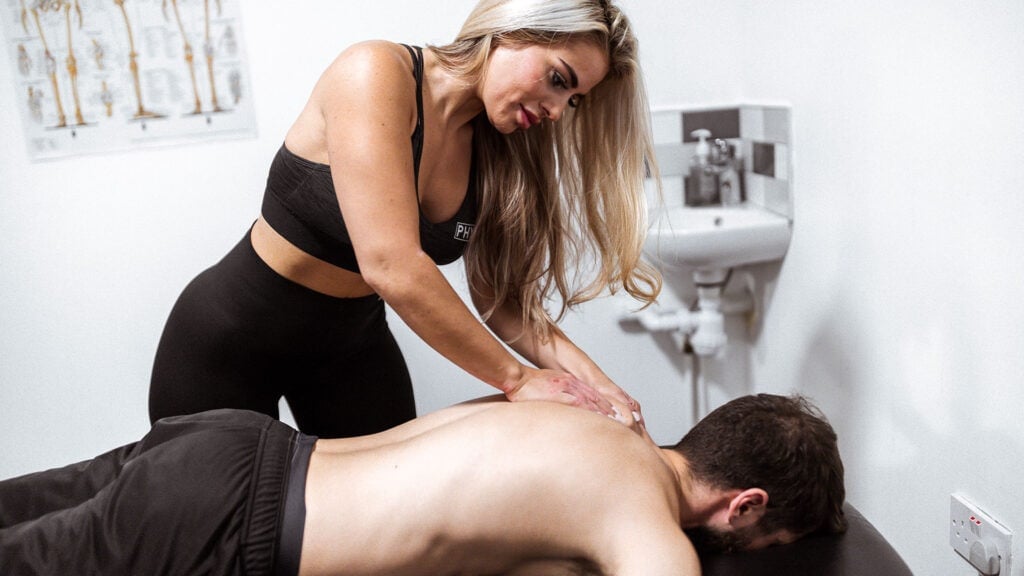
Physio clinics in London like One Body LDN offer award-winning physiotherapy services that combine expert rehabilitation exercises with deep tissue massage to address shoulder impingement effectively. Their therapists, many of whom are former athletes and highly trained clinicians, provide personalized treatment plans designed to get patients moving pain-free as quickly as possible (One Body LDN physiotherapy services).
Despite the availability of surgical options, recent systematic reviews suggest that surgery does not provide significant benefits over nonoperative treatments in terms of pain relief or short-term functional outcomes. This underscores the importance of exhausting conservative management before considering surgical intervention (surgical intervention review).
Furthermore, advancements in diagnostic imaging are enabling more accurate and less invasive assessments, which can guide tailored treatment plans. The global market for impingement syndrome treatments is growing rapidly, with projections estimating it will reach USD 12.51 billion by 2030, reflecting increasing demand for effective management solutions (market growth report).
In addition to physiotherapy, other conservative treatments may include the use of anti-inflammatory medications and corticosteroid injections to manage pain and swelling. These options can provide temporary relief and allow patients to engage more fully in their rehabilitation exercises.
Moreover, lifestyle modifications, such as ergonomic adjustments at work and avoiding overhead activities, can significantly contribute to the recovery process. Patients are often encouraged to incorporate regular stretching and strengthening routines into their daily lives to promote long-term shoulder health.
Emerging therapies, such as platelet-rich plasma (PRP) injections and stem cell treatments, are also being explored as potential options for shoulder impingement. These innovative approaches aim to harness the body’s natural healing processes to promote tissue repair and reduce inflammation. While research is still ongoing, early results have shown promise in improving outcomes for patients who have not responded to traditional therapies. As the field of sports medicine continues to evolve, these advancements may offer new hope for those suffering from shoulder impingement syndrome.
Prevention Tips
Preventing shoulder impingement involves a combination of lifestyle adjustments, ergonomic considerations, and targeted exercises. Maintaining good posture, especially for those working long hours at desks or performing repetitive overhead activities, is crucial. Ergonomic workstations that promote neutral shoulder positioning can reduce undue stress on the shoulder joint. Simple adjustments, such as ensuring that your computer monitor is at eye level and your chair supports your lower back, can make a significant difference in how your shoulders feel at the end of the day. Additionally, taking regular breaks to stretch and move around can help alleviate tension that builds up from prolonged sitting.
Regular strengthening and stretching exercises aimed at the rotator cuff and scapular muscles help maintain shoulder stability and flexibility. Incorporating warm-up routines before physical activity and avoiding sudden increases in training intensity can also minimize injury risk.
For those who engage in sports or physical activities, it is vital to include exercises that target not just the shoulders but also the surrounding muscles, such as the upper back and chest. This holistic approach ensures balanced muscle development, which can further protect against injuries. Activities like yoga or Pilates can be particularly beneficial, as they emphasize core strength and flexibility, both of which support proper shoulder mechanics. For detail information see the blog shoulder pain relief with yoga.
For athletes and active individuals, proper technique and equipment adjustments are essential to prevent overuse injuries. Consulting with physiotherapists or sports medicine specialists can provide personalized guidance tailored to individual needs and activities. They can assess your movement patterns and identify any biomechanical issues that may predispose you to shoulder problems.
Furthermore, investing in high-quality equipment, such as appropriately sized racquets or weights, can also play a crucial role in preventing strain. Regularly reviewing and updating your training regimen with a coach can help ensure that you are not only improving your performance but also protecting your body from injury.
Early intervention at the onset of shoulder discomfort is key. Since 54% of patients with shoulder pain report persistent symptoms after three years, timely assessment and management can prevent chronicity and long-term disability (shoulder pain chronicity study). Recognizing the early signs of shoulder issues, such as mild pain or stiffness, can prompt individuals to seek help before the condition worsens.
Engaging in self-care practices, such as applying ice or heat, can provide immediate relief, while professional shoulder back pain in London gives treatments like physical therapy can address underlying issues. Additionally, educating oneself about the anatomy of the shoulder and common injury mechanisms can empower individuals to make informed decisions about their activities and health, ultimately fostering a proactive approach to shoulder care.
Frequently Asked Questions
What causes shoulder impingement syndrome?
Shoulder impingement is caused by compression of the rotator cuff tendons and bursa within the shoulder joint, often due to repetitive overhead activities, poor posture, muscle imbalances, or structural abnormalities such as bone spurs. Factors such as age and genetic predisposition can also play a role, as the tendons may become less flexible and more prone to injury over time. Athletes participating in sports that require overhead motions, like swimming or tennis, are particularly susceptible to this condition, as the repetitive strain can lead to inflammation and pain.
How is shoulder impingement diagnosed?
Diagnosis typically involves a physical examination, patient history, and imaging studies such as MRI. Recent advances include deep learning models that improve detection of subtle lesions on standard MRIs, reducing the need for invasive MRI arthrograms. Additionally, healthcare providers may utilize ultrasound imaging to assess the shoulder in real-time, allowing for dynamic evaluation of the rotator cuff and bursa during movement. This comprehensive approach helps to ensure that the diagnosis is accurate, guiding the most effective treatment plan for the patient.
Can shoulder impingement be treated without surgery?
Yes, most cases respond well to conservative treatments like physiotherapy, exercise rehabilitation, and manual therapies. Surgery is generally reserved for cases that do not improve with nonoperative management. In addition to these treatments, modalities such as corticosteroid injections may be employed to reduce inflammation and pain, facilitating a more effective rehabilitation process. Patients are often encouraged to engage in home exercises and lifestyle modifications to complement their treatment and promote long-term shoulder health.
How long does recovery from shoulder impingement take?
Recovery time varies depending on the severity and duration of symptoms. Many patients experience significant improvement within 4-6 physiotherapy sessions, but chronic cases may require longer-term rehabilitation. It is important for patients to remain committed to their rehabilitation exercises and follow their therapist’s guidance, as this can significantly influence recovery speed. Factors such as age, overall health, and adherence to prescribed therapies also play a crucial role in determining the timeline for recovery.
Can shoulder impingement be prevented?
Prevention includes maintaining good posture, strengthening shoulder muscles, using proper techniques during physical activities, and addressing symptoms early to avoid progression. Incorporating regular stretching and strengthening exercises into a fitness routine can help maintain shoulder flexibility and strength. Additionally, ergonomic adjustments in the workplace, such as ensuring that computer screens are at eye level and using supportive chairs, can help mitigate the risk of developing shoulder impingement syndrome.
Is physiotherapy effective for shoulder impingement?
Physiotherapy is highly effective, focusing on restoring movement, reducing pain, and strengthening the shoulder complex to prevent recurrence. Specialist London shoulder pain physiotherapists with experienced therapists offer tailored programs to optimize recovery. These programs often include a combination of manual therapy, modalities like ultrasound or electrical stimulation, and specific exercises designed to target the rotator cuff and surrounding muscles. Education on body mechanics and posture is also a key component, empowering patients to take an active role in their recovery and prevent future injuries.
Start Your Journey to Pain-Free Shoulders with One Body LDN
If you’re struggling with shoulder impingement, don’t wait for your symptoms to become a long-term issue. One Body LDN, voted as the best London physio clinic by thousands, is here to help you fix the root cause of your problem. Our award-winning experts specialize in musculoskeletal physiotherapy and sports injuries, offering tailored rehab plans and deep tissue massage to have you feeling amazing. With our results-based approach, you’ll receive a precise diagnosis and expert treatment without being oversold. Whether you’re an office worker or an athlete, our team of former athletes, ex-Team GB members, and NHS specialists is equipped to handle your specific condition. Book your free initial assessment at our clinic today and take the first step towards expert care and instant pain relief.
