



Main Takeaways
- Prevalence: ~27.6% of amateur cyclists report knee pain—among the most common overuse injuries.
- Causes: Overuse/repetition; poor bike fit (even 5% saddle change → ~35% load shift); muscle imbalances (weak glutes/hips, tight quads); bad cleat alignment/pedaling.
- Upside: Cyclists have ~21% lower risk of symptomatic OA than non-cyclists.
- Prevent it: Pro bike fit (saddle height, fore–aft, cleats); strength work (quads, hamstrings, glutes, core); mobility (stretching, yoga, sports massage); gradual training with proper rest.
Cycling is a popular and effective form of exercise enjoyed by millions worldwide, offering cardiovascular benefits and low-impact joint movement. However, despite its many advantages, knee pain is a common complaint among cyclists, affecting both amateurs and professionals alike. Studies reveal that approximately 27.6% of amateur cyclists experience knee pain, highlighting the significance of this issue within the cycling community.
If you’re local, exploring knee pain treatment in London can connect you with cycling-aware clinicians who coordinate bike fit, strength work, and recovery.Understanding the causes, prevention, and treatment options for cycling-related knee pain is essential for anyone looking to enjoy this sport safely and sustainably. This article explores why cyclists experience knee pain, effective prevention techniques, and the best treatment approaches, drawing on the latest research and expert insights.
Why Cyclists Experience Knee Pain
Knee pain in cyclists primarily arises due to overuse injuries, which are common in repetitive activities like cycling. The knee joint undergoes continuous motion and load-bearing during pedaling, making it susceptible to strain and inflammation. Research indicates that cycling is the most common overuse-related injury among cyclists, emphasizing the need to address biomechanical and equipment factors that contribute to knee discomfort (systematic review on knee biomechanics).

One of the key contributors to knee pain is improper bike fit. For example, a mere 5% change in saddle height can affect knee joint kinematics by 35% and moments by 16%, significantly increasing the risk of injury (study on saddle height effects). Incorrect saddle height can lead to excessive knee flexion or extension, causing strain on the patellar tendon and surrounding structures.
Additionally, the position of the handlebars and the reach to the pedals can also influence the alignment of the knees during cycling, further complicating the biomechanics involved. A well-fitted bike not only enhances performance but also plays a crucial role in injury prevention, allowing cyclists to enjoy longer rides without the burden of pain.
Additionally, cyclists with knee pain often present with altered movement patterns, such as larger knee adduction and increased ankle dorsiflexion, which can exacerbate joint stress and discomfort (systematic review on factors associated with knee pain). These biomechanical deviations may result from muscle imbalances, poor pedaling technique, or inadequate bike setup.
For instance, weak hip abductors can lead to excessive inward movement of the knee, while tight quadriceps may restrict proper knee extension. Addressing these issues through targeted strength training and flexibility exercises can be beneficial in restoring proper movement patterns and alleviating pain.
Interestingly, while knee pain is prevalent, cycling has also been associated with a lower likelihood of developing symptomatic radiographic osteoarthritis. Studies show that cyclists have a 21% lower chance of symptomatic osteoarthritis and a 17% lower likelihood of frequent knee pain compared to non-cyclists, suggesting that cycling can be protective for knee joint health when done correctly.
This protective effect may be attributed to the low-impact nature of cycling, which allows for joint movement without the high forces associated with running or jumping. Furthermore, the rhythmic motion of pedaling helps to promote synovial fluid circulation within the knee joint, potentially aiding in lubrication and nutrient distribution, which are essential for joint health.
Prevention Techniques
Preventing knee pain while cycling involves a combination of proper bike fitting, technique optimization, and physical conditioning. Ensuring the bike is adjusted to the rider’s anatomy is crucial. Saddle height should allow for a slight bend in the knee at the bottom of the pedal stroke, preventing overextension or excessive flexion. Additionally, the saddle’s fore-aft position should be adjusted so that when the pedals are horizontal, the rider’s knee is directly above the pedal axle. This alignment is essential for optimal power transfer and to minimize undue stress on the knee joint. A consultation with a professional knee pain physiotherapist can tie these fit choices to your unique biomechanics and training load.
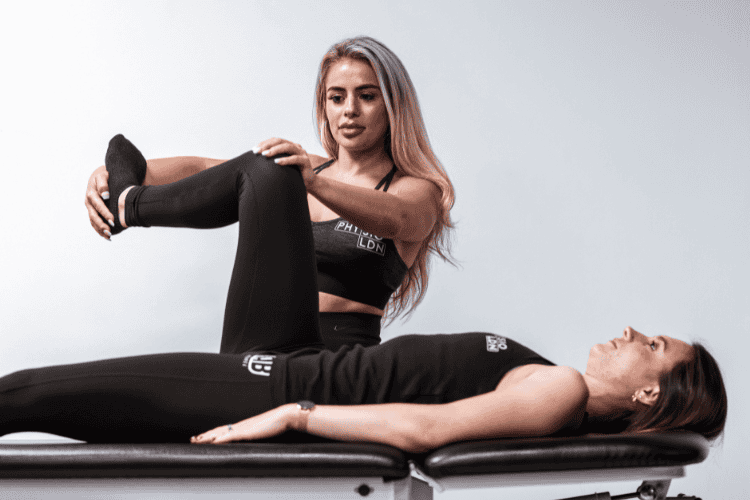
Foot positioning and cleat alignment also play a significant role in knee health. Misaligned cleats can cause abnormal knee tracking, increasing the risk of pain and injury. Regularly checking and adjusting cleat placement can mitigate this risk. Riders should also consider the type of shoes they wear; cycling shoes with a stiff sole can enhance power transfer and reduce fatigue, while those with a more flexible sole may lead to inefficient pedaling and increased strain on the knees. It’s advisable to consult with a professional bike fitter who can provide personalized recommendations based on individual biomechanics.
Strengthening the muscles around the knee, including the quadriceps, hamstrings, and hip stabilizers, can improve joint stability and reduce strain. Incorporating cross-training activities such as Pilates or targeted resistance exercises can enhance muscular balance and endurance. For instance, exercises like squats, lunges, and leg presses can build strength in the legs, while core workouts can improve overall stability. Engaging in activities like swimming or cycling on varied terrains can also help develop different muscle groups, contributing to a more resilient body.
Flexibility is equally important. Tight muscles, especially in the calves and hamstrings, can alter cycling mechanics and increase knee stress. Regular stretching and sports massage therapy can help maintain muscle suppleness and prevent stiffness. In London, clinics like One Body LDN offer expert sports massage services tailored to cyclists, combining deep tissue massage and targeted release techniques to keep muscles healthy and flexible. Additionally, incorporating yoga into a weekly routine can enhance flexibility and promote relaxation, which is beneficial for recovery and overall performance.
Moreover, gradual progression in training intensity and volume is critical. Overtraining without adequate rest can lead to overuse injuries, with studies showing that 85% of cyclists report one or more overuse injuries at some point, with 41.7% occurring at the knee (overuse injuries in cyclists). It is essential for cyclists to listen to their bodies, recognizing signs of fatigue or discomfort, and to incorporate rest days into their training schedule.
Additionally, keeping a training log can help identify patterns that lead to injury, allowing for timely adjustments in training load and intensity. This proactive approach not only aids in injury prevention but also enhances overall cycling performance and enjoyment.
Treatment for Cyclists
When knee pain occurs, early intervention is key to preventing chronic issues. Treatment typically begins with a thorough assessment to identify the root cause of pain, which may include biomechanical analysis and evaluation of bike fit. Expert physiotherapists in London, such as those at One Body LDN, provide comprehensive assessments and personalized treatment plans tailored to cyclists.
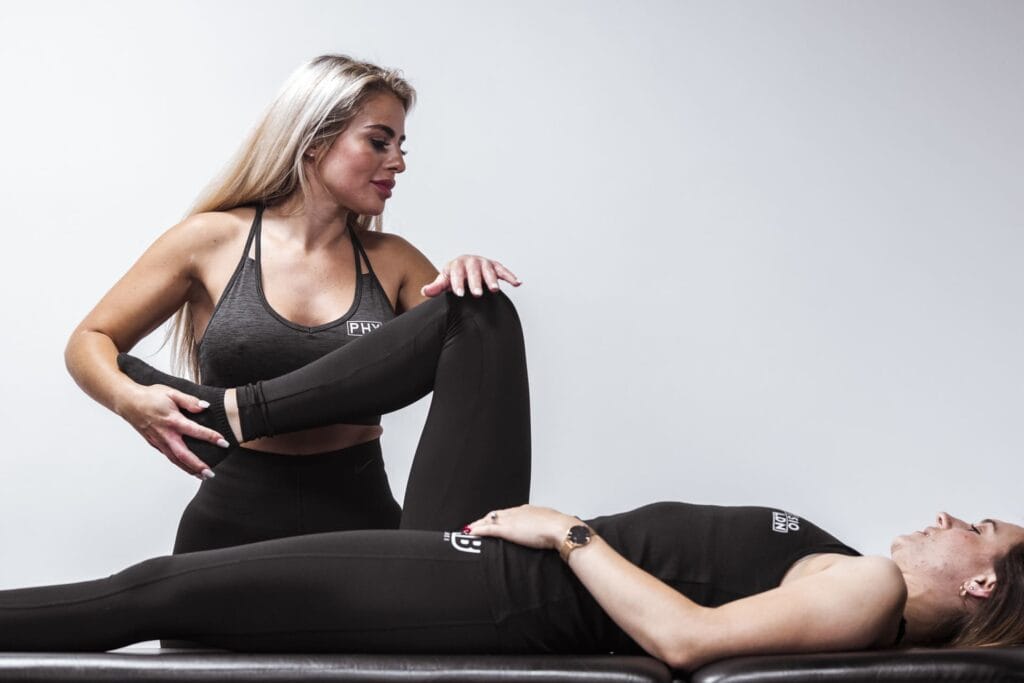
Hands-on therapies like deep tissue sports massage and joint mobilizations help reduce muscle tightness, improve joint mobility, and alleviate pain. These treatments, combined with guided rehabilitation exercises, address both symptoms and underlying dysfunctions.
Rehabilitation focuses on restoring strength, flexibility, and proper movement patterns. Exercises targeting the quadriceps, hamstrings, glutes, and core are essential to support knee stability and improve pedaling efficiency. Physiotherapists also educate cyclists on bike adjustments and pedaling techniques to minimize joint stress.For detail information see the blog knee pain in athletes: causes, prevention & recovery.
In some cases, addressing other contributing factors such as lower back pain is important, as 58% of cyclists report lower back pain within a year, which can influence overall posture and biomechanics (study on overuse injuries in cyclists).
For persistent or severe cases, referral to specialists or imaging may be necessary to rule out structural damage. However, most cycling-related knee pain responds well to conservative management when addressed promptly.
Additionally, nutrition plays a pivotal role in recovery and performance for cyclists. A balanced diet rich in anti-inflammatory foods, such as omega-3 fatty acids found in fish, nuts, and seeds, can help reduce inflammation and support joint health. Staying hydrated is equally crucial, as even mild dehydration can impact muscle function and recovery times. Cyclists are encouraged to consider their nutritional intake, particularly during long rides, to ensure they are fueling their bodies adequately for both performance and recovery.
Moreover, incorporating cross-training activities can enhance overall fitness and reduce the risk of overuse injuries. Activities such as swimming, yoga, or strength training can improve flexibility, core strength, and overall muscle balance, which are essential for maintaining optimal cycling performance. These complementary exercises not only help in injury prevention but also provide a mental break from the repetitive nature of cycling, keeping the training regimen fresh and engaging.Pairing these strategies with effective knee pain treatments can further accelerate recovery and keep you riding stronger, longer.
FAQ
What causes knee pain in cyclists?
Knee pain in cyclists is often caused by overuse injuries due to repetitive motion, improper bike fit, muscle imbalances, and poor pedaling technique. Incorrect saddle height and cleat alignment are common contributors. Additionally, factors such as riding on steep inclines or using inappropriate gear ratios can exacerbate the strain on the knees. Cyclists who frequently ride long distances without adequate rest may also experience cumulative stress, leading to inflammation and discomfort in the knee joints.
How can I prevent knee pain while cycling?
Prevention involves proper bike fitting, strengthening surrounding muscles, maintaining flexibility, and gradually increasing training intensity. Regular assessments and adjustments can help avoid overuse injuries. Incorporating cross-training activities such as swimming or yoga can enhance overall muscle balance and flexibility, which are crucial for maintaining proper cycling posture. Furthermore, paying attention to nutrition and hydration can support muscle recovery and joint health, reducing the risk of injury during rides.
Is cycling bad for people with knee osteoarthritis?
Research indicates that cycling is associated with a lower likelihood of developing symptomatic knee osteoarthritis and frequent knee pain compared to non-cyclists, making it a generally safe and beneficial activity when performed correctly. The low-impact nature of cycling allows individuals with knee osteoarthritis to engage in physical activity without putting excessive stress on their joints. Moreover, cycling can help improve joint mobility and strengthen the muscles around the knee, providing additional support and stability.
When should I see a physiotherapist for knee pain?
If knee pain persists beyond a few days, worsens with activity, or affects your cycling performance, it is advisable to consult a physiotherapist for a thorough assessment and tailored treatment plan. Early intervention can prevent minor issues from developing into more serious conditions. A physiotherapist can also provide valuable guidance on proper warm-up and cool-down routines, which are essential for maintaining knee health and preventing injuries during cycling sessions.
Can bike fit adjustments relieve knee pain?
Yes, small changes in saddle height, position, and cleat alignment can significantly reduce knee joint stress and alleviate pain. Professional bike fitting is recommended for optimal results. A well-fitted bike not only enhances comfort but also improves pedaling efficiency, allowing cyclists to maintain a smoother and more powerful stroke. Additionally, periodic re-evaluations of bike fit are beneficial, especially after significant changes in fitness level or riding style.
What treatments are effective for cycling-related knee pain?
Effective treatments include physiotherapy with hands-on techniques such as deep tissue massage, joint mobilizations, and guided rehabilitation exercises focusing on strength and flexibility. Ice therapy and anti-inflammatory medications may also provide temporary relief. In some cases, the use of knee braces or orthotic inserts can help stabilize the knee joint during cycling, offering additional support and reducing pain. It’s important to adopt a holistic approach that includes rest and recovery strategies to complement these treatments.
Are there any risks of cycling causing long-term knee damage?
When done with proper technique and equipment, cycling is unlikely to cause long-term knee damage. In fact, it may protect against osteoarthritis. However, poor bike fit and overuse can increase injury risk. It’s crucial for cyclists to listen to their bodies and recognize the signs of strain or discomfort. Engaging in regular strength training and flexibility exercises can also mitigate the risk of injury, ensuring that the muscles supporting the knee are well-conditioned and resilient against the demands of cycling.
For anyone experiencing knee pain related to cycling, seeking expert physiotherapy care can provide relief and help maintain an active lifestyle. London-based clinics like One Body LDN offer specialized services combining deep expertise, comprehensive assessments, and personalized rehabilitation to get cyclists back on the road pain-free. These clinics often utilize advanced techniques such as dry needling and ultrasound therapy to enhance recovery, ensuring that cyclists can continue to enjoy their passion without the hindrance of pain or discomfort.
Experience the Best in London Physiotherapy at One Body LDN
If knee pain is keeping you from the cycling you love, it’s time to take action with One Body LDN. Voted as the best London physio clinic by thousands, our award-winning team of physiotherapy experts is dedicated to fixing the root cause of your problem. Specializing in musculoskeletal (MSK) physiotherapy, post-operative care, and sports injuries, we offer expert assessments and rehab plans tailored to your needs. With a results-based approach, we ensure you’re never oversold treatments. Whether you’re a corporate office worker or an athlete, our clinicians – including former athletes, ex-Team GB members, and NHS specialists – are equipped to handle a wide range of conditions, from tennis elbow to post-surgical ACL rehabilitation. Book your free initial assessment today and take the first step towards instant pain relief and a return to pain-free cycling.
