


Main Takeaways
- Shoulder injuries are common in athletes, especially in overhead and contact sports.
- Common injuries include rotator cuff tears, dislocations, labral tears, and impingements.
- Prevention involves strength training, flexibility, proper technique, and conditioning.
- Rehab combines physiotherapy, hands-on treatments, and tailored exercises for recovery.
- Return-to-sport requires careful monitoring, functional testing, and gradual progression.
Shoulder injuries are among the most common and impactful musculoskeletal issues faced by athletes across various sports. Whether it’s a high school player, a collegiate baseball athlete, or a youth hockey participant, the shoulder’s complex anatomy and extensive range of motion make it particularly vulnerable to injury. Understanding the prevalence, causes, prevention, and rehabilitation of shoulder injuries is crucial for athletes, coaches, and healthcare professionals alike.
Recent studies highlight the significant burden shoulder injuries place on athletes. For example, during the 2005–2007 school years, high school athletes sustained 805 shoulder injuries across 3.5 million athlete-exposures, resulting in an injury rate of 2.27 per 10,000 athlete-exposures, according to the National Athletic Trainers’ Association. This data underscores the importance of targeted strategies to reduce injury risk and improve recovery outcomes.
Top Sports Injuries
Shoulder injuries in athletes can range from acute traumatic events to chronic overuse conditions. Common injuries include rotator cuff tears, dislocations, labral tears, and impingement syndromes. The nature and frequency of these injuries often depend on the sport, level of competition, and athlete characteristics.

In professional basketball, for instance, the injury rate for shoulder injuries was reported at 4.02 per 10,000 athlete-exposures during the 2015–2020 NBA seasons, which is notably higher than the elbow injury rate of 2.44 per 10,000 exposures in the same cohort (SAGE Journals). This highlights the shoulder as a particularly vulnerable joint in overhead and contact sports.
The high incidence of shoulder injuries in basketball can be attributed to the dynamic nature of the game, where players frequently engage in jumping, shooting, and physical contact, all of which place significant stress on the shoulder joint.
Overuse injuries also contribute significantly to shoulder problems, especially in sports involving repetitive overhead motions such as baseball and swimming. A systematic review found that overuse injuries may account for up to 36% of shoulder injuries among adult athletes (Wiley Online Library).
Muscle imbalances, deficits in shoulder rotation strength, and range of motion limitations are common risk factors identified in these cases. Additionally, the importance of proper warm-up and conditioning routines cannot be overstated, as they play a crucial role in preparing the shoulder for the demands of these sports, potentially reducing the risk of injury.
Youth sports also present unique injury patterns. A study analyzing pediatric ice hockey injuries from 2014 to 2023 reported a post-pandemic rise in head and shoulder injuries, with increased fractures and hospitalizations. This trend may be linked to more aggressive play styles and the growing popularity of women’s ice hockey (Mount Sinai Health System).
The rise in participation rates among young athletes has led to more competitive environments, which can inadvertently encourage risky behaviors and inadequate safety measures. Coaches and parents are now urged to prioritize injury prevention strategies, including education on safe playing techniques and the importance of taking breaks to allow for recovery.
Furthermore, advances in sports medicine have led to improved diagnostic tools and treatment options for shoulder injuries. Techniques such as MRI imaging allow for better visualization of soft tissue injuries, while minimally invasive surgical procedures have become more common, enabling athletes to return to their sport more quickly.
Rehabilitation protocols have also evolved, incorporating strength training and mobility exercises tailored to the specific needs of the athlete, which can enhance recovery and help prevent future injuries. As research continues to shed light on the biomechanics of shoulder injuries, the sports community is becoming increasingly equipped to address these challenges effectively.
Prevention and Rehab
Effective prevention and rehabilitation strategies are essential to reduce the incidence and severity of shoulder injuries in athletes. Prevention focuses on addressing modifiable risk factors such as muscle weakness, poor flexibility, and biomechanical imbalances.
Research highlights that shoulder external and internal rotation muscle weakness, range of motion deficits, and side-to-side strength imbalances are common risk factors for overuse shoulder injuries in overhead athletes (PubMed). Strengthening these muscle groups through targeted exercise programs can help stabilize the shoulder joint and reduce injury risk.
In youth hockey, heavier players weighing over 160 pounds have been found to have double the risk of shoulder injury compared to lighter players, suggesting that weight management and conditioning may be important preventive measures (Wiley Online Library).
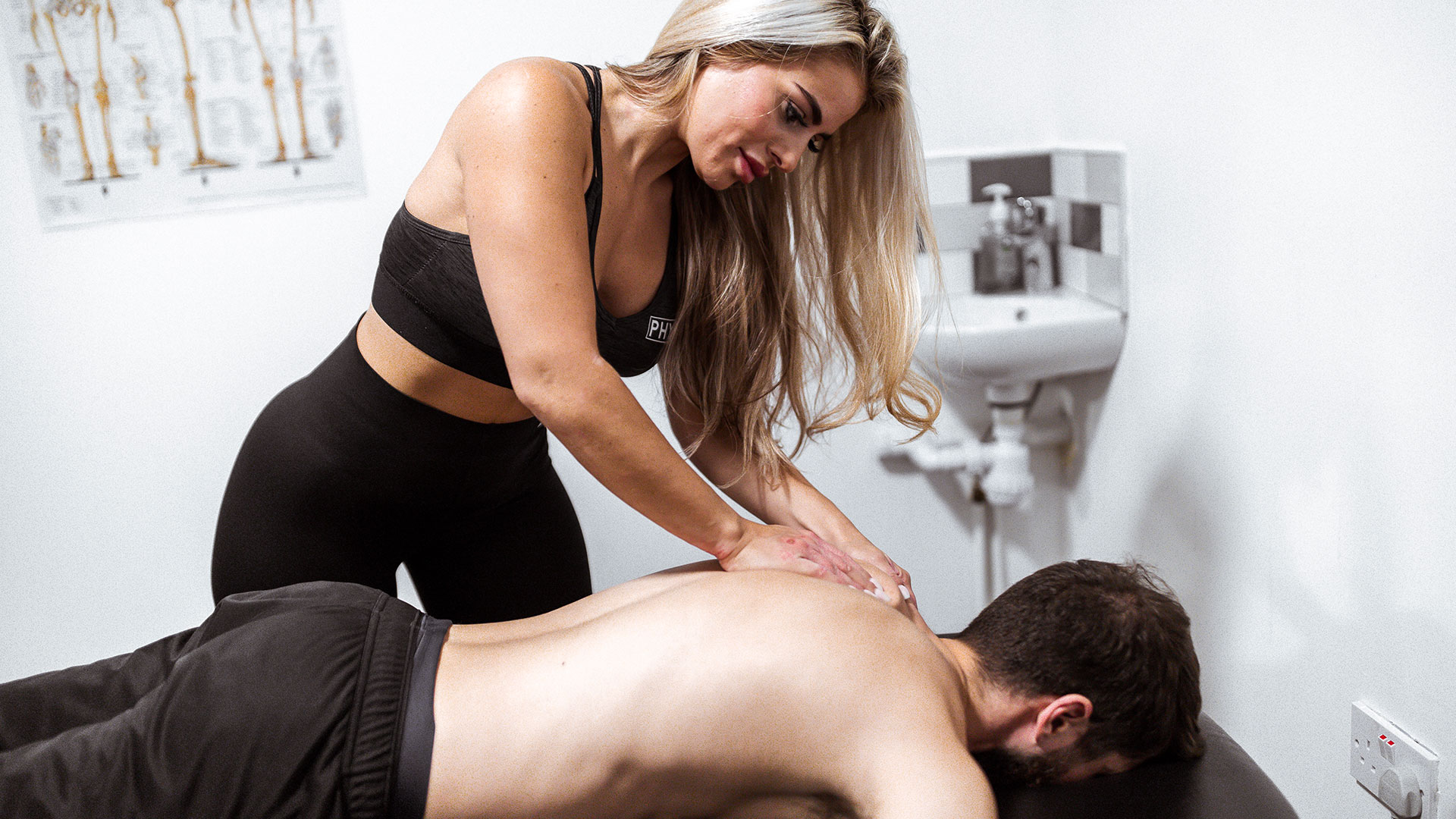
Rehabilitation following shoulder injury should be comprehensive and individualized. It typically involves a combination of hands-on physiotherapy, including deep tissue massage and joint mobilizations, alongside tailored exercise regimens to restore strength, flexibility, and function. Clinics such as One Body LDN in London offer specialized shoulder pain physiotherapy services that blend expert rehab exercises with deep tissue massage to address both acute injuries and chronic conditions effectively.
One Body LDN’s approach emphasizes thorough assessment and hands-on treatment, followed by bespoke exercise plans to ensure long-term recovery and injury prevention. Their physiotherapists receive over five times the required training, ensuring expert care for athletes and active individuals .
In addition to strength training, incorporating flexibility and mobility exercises into an athlete’s routine is crucial. Dynamic stretching before activities can enhance performance and reduce the risk of injury by preparing the muscles and joints for the demands of the sport. Furthermore, post-activity static stretching can aid in recovery, helping to maintain optimal range of motion and prevent stiffness.
Athletes should also consider cross-training to promote overall body strength and reduce the repetitive strain on the shoulder joint, which is particularly beneficial for those engaged in overhead sports.
Another important aspect of shoulder injury prevention is education on proper techniques and body mechanics. Coaches and trainers play a vital role in teaching athletes how to execute movements safely and efficiently, which can significantly decrease the likelihood of injuries. Workshops and seminars focusing on biomechanics can empower athletes with the knowledge they need to recognize their limits and understand the importance of listening to their bodies, ultimately fostering a culture of safety and health within sports teams.
Return to Sport Guidelines
Returning to sport after a shoulder injury requires careful planning and adherence to evidence-based guidelines to minimize the risk of re-injury. The timeline for return varies depending on the injury type, severity, and the athlete’s response to rehabilitation.

Key criteria for a safe return include pain-free range of motion, restored strength and endurance, and the ability to perform sport-specific movements without discomfort. Functional testing and gradual progression through training phases are critical components of the return-to-sport process.
Studies in collegiate baseball players have shown promising trends with a 75% decrease in shoulder injury rates over a decade (2004–2014), likely reflecting improved prevention and rehab protocols. Similarly, elbow injury rates decreased by 50% in the same period (PubMed), underscoring the value of structured recovery programs.
For youth athletes, especially in high-contact sports like hockey, monitoring for signs of increased aggression or violence during play is important, as these factors have been linked to higher hospitalization rates post-injury (Mount Sinai Health System).
Physiotherapy clinics in London, such as One Body LDN, offer expert guidance through the return-to-sport journey, ensuring athletes regain optimal function and confidence before resuming full competition. These clinics often employ a multidisciplinary approach, integrating effective shoulder pain physiotherapy, sports psychology, and nutrition counseling to address the holistic needs of athletes.
This comprehensive strategy not only aids in physical recovery but also supports mental resilience, which is crucial for athletes who may experience anxiety about re-injury or performance pressure.
Furthermore, the role of technology in rehabilitation cannot be overlooked. Tools such as motion analysis software and wearable devices provide valuable data on an athlete’s movement patterns and biomechanics. This information can help coaches and therapists tailor rehabilitation programs to the individual needs of the athlete, enhancing the effectiveness of the recovery process.
As athletes become more aware of their physical capabilities and limitations through these advanced methods, they can approach their return to sport with greater confidence and preparedness, ultimately fostering a safer and more successful transition back to competition.
FAQ
What are the most common shoulder injuries in athletes?
The most common shoulder injuries include rotator cuff tears, dislocations, labral tears, impingement syndromes, and overuse injuries related to repetitive overhead motions. Rotator cuff tears, for instance, can occur due to acute trauma or chronic wear and tear, particularly in sports that require repetitive arm elevation. Dislocations, on the other hand, often happen during contact sports when a sudden impact forces the shoulder out of its normal position. Labral tears, which affect the cartilage that stabilizes the shoulder joint, can be particularly troublesome as they may lead to persistent pain and instability, affecting an athlete’s performance.
How can shoulder injuries be prevented in sports?
Prevention strategies focus on strengthening shoulder muscles, improving flexibility, correcting biomechanical imbalances, and managing training loads. Regular assessments and tailored exercise programs are key. Athletes can benefit from incorporating specific strength training exercises targeting the rotator cuff and scapular stabilizers into their routines. Additionally, proper warm-up and cool-down practices, along with sport-specific drills that emphasize technique, can significantly reduce the risk of injury. Coaches and trainers play an essential role in educating athletes about the importance of listening to their bodies and recognizing early signs of discomfort.
When can an athlete safely return to sport after a shoulder injury?
Return to sport depends on the injury severity and rehabilitation progress. Athletes should have pain-free range of motion, restored strength, and the ability to perform sport-specific tasks without discomfort, ideally guided by a physiotherapist. The timeline for return can vary widely; for minor injuries, athletes might return in a few weeks, while more severe cases could take several months. It is crucial for athletes to undergo functional testing to ensure they can handle the demands of their sport before resuming play, as premature return can lead to re-injury and prolonged recovery.
Are shoulder injuries more common in certain sports?
Yes, sports involving overhead movements (like baseball and basketball) and contact sports (such as hockey and rugby) tend to have higher rates of shoulder injuries. In baseball, for example, pitchers are particularly susceptible to shoulder injuries due to the repetitive stress placed on the joint during throwing. Similarly, basketball players may experience shoulder injuries from falls or collisions while attempting to shoot or defend. Understanding the specific risks associated with each sport can help athletes and coaches implement targeted prevention strategies to mitigate these risks.
How does physiotherapy help with shoulder injury recovery?
Physiotherapy aids recovery through hands-on treatments like deep tissue massage and joint mobilizations, combined with tailored exercises to restore strength, mobility, and function, reducing pain and preventing re-injury. Shoulder pain physiotherapists also educate athletes about proper biomechanics and body mechanics to avoid future injuries. Techniques such as ultrasound therapy and electrical stimulation may be used to enhance healing and reduce inflammation. The holistic approach of physiotherapy not only addresses the physical aspects of recovery but also helps athletes regain confidence in their shoulder function, which is vital for a successful return to sport.
Is private physiotherapy better than NHS for shoulder injuries?
Private physiotherapy often offers shorter waiting times, longer sessions, and more personalized care, which can lead to faster recovery compared to NHS services with longer wait times and shorter appointments. In private settings, physiotherapists can provide more frequent follow-ups and adjust treatment plans more dynamically based on the athlete’s progress. Additionally, private clinics may have access to advanced technologies and techniques that can enhance rehabilitation outcomes, making it an appealing option for many athletes seeking swift recovery.
What role does muscle weakness play in shoulder injuries?
Muscle weakness, especially in shoulder rotators, can lead to joint instability and overuse injuries. Strengthening these muscles is crucial for injury prevention and rehabilitation. Weakness in the rotator cuff can compromise the shoulder’s ability to stabilize during dynamic movements, increasing the risk of injuries. Targeted strength training programs that focus on both the rotator cuff and surrounding musculature can help build resilience and support the shoulder joint during high-stress activities. Furthermore, addressing muscle imbalances and ensuring proper activation patterns can significantly enhance overall shoulder function.
Have shoulder injury rates changed over time in athletes?
Yes, some studies show decreases in injury rates in collegiate athletes due to improved prevention and rehab methods, while youth sports have seen increases in shoulder injuries linked to changes in play style and participation. Enhanced awareness of injury prevention techniques and better training regimens have contributed to the decline in injuries at the collegiate level. However, the rise in shoulder injuries among youth athletes can be attributed to factors such as early specialization in sports, increased competition, and a lack of proper training and recovery protocols. This highlights the need for ongoing education and resources to ensure young athletes are equipped to play safely and sustainably.
For athletes managing ongoing or recurrent shoulder issues, see our blog on rotator cuff injury
Take the First Step Towards Recovery with One Body LDN
If you’re an athlete dealing with shoulder injuries, or if you simply want to prevent them, One Body LDN is here to help. Voted by thousands as the best London physio clinic, we offer expert assessments and rehab plans tailored to your needs. Our award-winning team of physiotherapists, including former athletes and NHS specialists, specialize in musculoskeletal physiotherapy and sports injuries. We’re dedicated to fixing the root cause of your problem and ensuring you don’t have to endure long-term symptoms. With our unique blend of exercise rehab and deep tissue massage, we’ll have you feeling amazing in no time. Book your free initial assessment at our clinic today and experience instant pain relief and a precise treatment plan, all while using your insurance seamlessly. At One Body LDN, we’re committed to providing results-based care without overselling treatments. Let us help you get back in the game with confidence.
